WARNING: This product contains nicotine, nicotine is an addictive chemical.

E-Hookah vs Shisha: What Is the Difference?

E-Hookah vs Shisha: What Is the Difference?

E-Hookah vs Shisha: What Is the Difference? E-hookah and shisha offer a similar hookah-style experience, but they work differently. Traditional shisha uses charcoal to heat flavored tobacco or herbal molasses. E-hookah uses a battery-powered coil to heat e-liquid. The main differences involve the heating method, ingredients, device structure, portability and maintenance. What Is Traditional Shisha? Shisha usually refers to flavored tobacco or herbal molasses used in a traditional hookah. The material is placed inside a bowl and heated with charcoal. The smoke travels through the hookah stem, passes through water and is inhaled through a hose. Traditional shisha equipment normally includes: A water base Stem and bowl Hose and mouthpiece Charcoal tray Flavored tobacco or herbal shisha “Shisha” is widely used in the Middle East and Europe, while “hookah” is more common in North America. What Is an E-Hookah ? E-hookah, also called electronic shisha, is a battery-powered device designed to create a hookah-style experience without charcoal. The battery powers a coil that heats e-liquid and produces an aerosol. Depending on the model, an e-hookah may include: Rechargeable battery Mesh coil E-liquid reservoir Adjustable airflow Digital display USB Type-C charging Replaceable or prefilled pod E-hookah products include compact disposable devices, rechargeable models and larger electronic hookah systems. E-Hookah vs Shisha: Main Differences Feature E-Hookah Traditional Shisha Heating method Battery-powered coil Charcoal Consumable E-liquid Tobacco or herbal molasses Output Aerosol Smoke Water required Usually no Yes Setup Quick and simple Requires preparation Portability Usually portable Larger and less portable Maintenance Limited Regular cleaning required Nicotine With or without nicotine Depends on the shisha material Typical use Personal and convenient Social and traditional Heating Method Traditional shisha depends on burning charcoal. The user must prepare the bowl, light the charcoal and control the heat during the session. E-hookah uses an electronic heating system. It normally activates through inhalation or a button, making it quicker and easier to use. Ingredients Traditional shisha may contain tobacco, molasses, glycerin and flavorings. Tobacco-based shisha normally contains nicotine, while some herbal products may be nicotine-free. E-hookah usually contains e-liquid made with flavorings, vegetable glycerin, propylene glycol and optional nicotine. Ingredients and nicotine levels vary by product. Neither “shisha” nor “e-hookah” automatically means nicotine-free. Always check the product label. Portability and Convenience Traditional hookahs can be large and require a water base, bowl, hose, charcoal and other accessories. They are commonly used at home, in lounges or in social settings. E-hookah products are generally more portable. Most do not require water, charcoal or complicated preparation, making them suitable for individual use. Flavor Experience Both products are available in popular flavors such as: Mint Double apple Grape Watermelon Lemon Peach Mixed fruit However, their flavor experiences are different. Traditional shisha combines heated tobacco or molasses with charcoal, while e-hookah flavor depends on the e-liquid, coil, power output and airflow. Maintenance Traditional shisha equipment requires regular cleaning. Residue can build up inside the bowl, stem, base and hose. Disposable e-hookah products require little maintenance. Rechargeable models may need charging, pod replacement and occasional cleaning around the mouthpiece or connection points. Is E-Hookah the Same as E-Shisha? E-hookah and e-shisha generally describe the same electronic product category. The preferred term depends on the market: E-hookah: commonly used in North America E-shisha: commonly used in Europe and the Middle East Vape hookah: frequently used in product and wholesale searches Electronic shisha: formal B2B product term Using several related terms naturally can help manufacturers and wholesalers reach buyers in different regions. Which One Should You Choose? Traditional shisha is suitable for people who prefer the classic waterpipe ritual and longer social sessions. E-hookah may be more suitable for those looking for: Faster setup Greater portability No charcoal Easier maintenance Rechargeable operation Adjustable airflow Availability and permitted product specifications depend on local regulations. Frequently Asked Questions Is e-hookah a vape? Yes. Most e-hookah products use battery-powered vaping technology to heat e-liquid and produce an aerosol. Does e-hookah use water? Most portable e-hookah devices do not require water. Some larger electronic hookah systems may include a water base. Does e-hookah contain nicotine? It can. E-hookah products may contain nicotine or use nicotine-free e-liquid. Check the product specifications before purchasing. Is traditional shisha always tobacco-based? No. Traditional shisha may contain tobacco or herbal material. The ingredients and nicotine content vary between products. Are e-hookah and shisha regulated in the same way? Not always. E-hookah may be regulated as a vaping product, while traditional shisha may fall under tobacco or waterpipe regulations. Importers should verify the rules in their target market. Conclusion The main difference is simple: traditional shisha uses charcoal to heat tobacco or herbal molasses, while e-hookah uses a battery-powered coil to heat e-liquid. Shisha offers a traditional and social waterpipe experience. E-hookah provides a more portable and convenient electronic alternative without charcoal.

What Is a Vape Hookah? The Complete Guide for Buyers and Distributors

What Is a Vape Hookah? The Complete Guide for Buyers and Distributors

What Is a Vape Hookah? Complete Guide for Buyers and Distributors A vape hookah is an electronic device designed to provide a hookah-inspired vaping experience without using charcoal or burning traditional hookah tobacco. Depending on the model, it may feature a large e-liquid capacity, rechargeable battery, mesh coil, adjustable airflow, digital display, multiple flavors or compatibility with a desktop hookah system. For wholesalers, distributors and private-label buyers, understanding the different vape hookah formats, specifications and quality requirements is essential before selecting products for a target market. What Is a Vape Hookah ? The term “vape hookah” describes a growing category of electronic vaping products designed to deliver a hookah-inspired experience in a more portable and convenient format. These products may also be marketed as: Electronic hookah Electronic shisha Vape shisha Hookah vape E-hookah Shisha vape Unlike a traditional waterpipe, an electronic hookah does not normally require charcoal, a tobacco bowl, foil or a lengthy preparation process. Instead, the device uses a battery to power a heating coil. The coil heats prepared e-liquid stored inside the product, creating an inhalable aerosol. This electronic operating system makes vape hookah products easier to set up and more portable than traditional hookah equipment. As a result, the category has attracted attention from adult consumers, vape retailers, wholesalers, lounges, distributors and private-label brands. However, vape hookah is not limited to one standard shape or product structure. Some models are handheld devices, while others connect to a tabletop base and hose system. B2B buyers should therefore evaluate the actual product structure, specifications and intended use rather than relying only on the product name. How Does a Vape Hookah Work? Most vape hookah products contain five main components. Battery The battery supplies power to the electronic heating system. Many modern vape hookah devices use a rechargeable battery and USB Type-C charging connection. Battery capacity can influence operating time, charging frequency and the ability of the device to support its full e-liquid capacity. B2B buyers should also evaluate charging protection, battery quality and available transportation documentation. E-Liquid Reservoir The reservoir holds the prepared e-liquid. The liquid may contain flavorings, nicotine and other permitted ingredients, depending on the product specification and destination-market regulations. E-liquid capacity varies significantly between models. Importers must check whether the capacity and nicotine concentration are permitted in the intended market. Heating Coil The heating coil converts electrical power into heat and vaporizes the e-liquid. Mesh coil technology is commonly used because the expanded heating surface can support more consistent vapor and flavor delivery. Coil resistance, material and power output should be evaluated together rather than separately. Airflow System The airflow path carries air through the product when the adult user inhales. Some devices provide adjustable airflow, allowing the draw resistance to be changed. A more open setting generally creates an airier draw, while a more restricted setting produces a tighter draw. Control or Display System Some vape hookah devices include a digital display that shows information such as: Battery level E-liquid status Operating mode Charging status Device activation Draw-activated products begin operating when the user inhales. More advanced models may include buttons, multiple output modes or compatibility with a separate hookah base. The operating instructions should always match the specific device model. Main Types of Vape Hookah Products Handheld Vape Hookah A handheld vape hookah is generally a high-capacity electronic device designed for portability. Depending on the model, it may include: Large e-liquid capacity Rechargeable battery Mesh coil Adjustable airflow Digital display Multiple output modes Hookah-inspired mouthpiece High-capacity puff estimate This format may be suitable for adult-oriented vape stores, distributors and compliant online retail channels. Desktop Electronic Hookah A desktop electronic hookah is designed to create a more social, lounge-style presentation. The system may incorporate: Hookah-style base One or more compatible vape devices Hose Mouthpiece Airflow connection Flavor switching system Flavor-mixing function Commercial buyers should confirm which parts are included with the product and which accessories must be purchased separately. Multi-Flavor or Dual-Device Hookah Some electronic hookah systems allow two compatible vape devices to be installed simultaneously. Depending on the airflow structure, the system may allow adult users to: Use one flavor at a time Switch between two flavors Combine two flavor profiles Create customized flavor pairings This format may provide distributors with opportunities to create product bundles and flavor combinations, subject to local product and marketing regulations. Important Features B2B Buyers Should Evaluate Puff count may attract attention, but it should not be the only factor used to compare vape hookah products. Actual product performance can vary according to puff duration, operating power, airflow setting, battery condition and user behavior. Wholesale buyers should evaluate the entire product system. Battery Capacity and Charging The battery should be suitable for the e-liquid capacity and operating power of the device. Buyers should check: Battery capacity Charging connection Charging time Battery indicator Charging protection Transportation documentation Battery supplier information E-Liquid Capacity and Filling Consistency The factory should control the filling process to reduce capacity variation, leakage and premature dry-coil problems. Ask how the manufacturer checks filling volume and whether production records are retained by batch. Coil Performance Evaluate vapor consistency, flavor delivery and product performance across the expected device lifecycle. Sample testing should include multiple units rather than relying on one presentation sample. Adjustable Airflow Adjustable airflow can help differentiate a product and provide greater control over draw resistance. The airflow mechanism should remain easy to operate and should not move accidentally during normal handling. Leakage Resistance Leakage can affect product quality, packaging appearance, transportation and customer satisfaction. Buyers should ask about: Filling controls Seal design Pressure testing Storage-position testing Temperature testing Transportation simulation Finished-product leakage inspection Display Accuracy A digital display should communicate useful information clearly. Battery and e-liquid indicators may be estimates, so product descriptions should avoid presenting them as laboratory-level measurements unless supported by evidence. Mouthpiece and Product Design The mouthpiece should be comfortable for the intended product format. The device should also be stable when placed on a surface and easy to identify

Myanmar vape ban : Sales, Imports, Possession and Use Prohibited

Myanmar vape ban : Sales, Imports, Possession and Use Prohibited

Myanmar Bans Vape Sales, Imports, Possession and Use Myanmar has introduced a nationwide prohibition on vaping products that covers far more than commercial sales. Under Ministry of Health Order No. 8/2026, the country has banned the import, export, sale, possession, storage, transport, distribution, use and consumption of electronic cigarettes and related products. The prohibition also covers electronic shisha, heated smoking devices and associated accessories. The order was issued on February 18, 2026, with Cabinet authorization and was publicly reported by the Ministry of Health on February 20. Myanmar’s action is therefore not merely a retail sales restriction. Individuals can also face legal consequences for carrying, possessing or using a vape, including one brought into the country for personal use. Quick Answer: Are Vapes Legal in Myanmar? No. Myanmar prohibits the importation, exportation, sale, possession, storage, carrying, distribution, use and consumption of e-cigarettes, electronic shisha, heated smoking devices and related accessories. Travellers should not bring vaping products into the country. When Did Myanmar Ban Vaping? Myanmar’s Ministry of Health issued Order No. 8/2026 on February 18, 2026. The measure was announced publicly on February 20 after receiving Cabinet authorization. According to the order, the ban took effect under powers provided by the Essential Supplies and Services Law. Before this measure, Myanmar did not have the same clearly defined, comprehensive national prohibition covering every stage of the vape supply chain. Authorities had reportedly seized imported vaping products in some cases, but the legal status was less explicit. Order No. 8/2026 creates a direct legal basis for enforcement against commercial operators and individual users. What Products Does the Ban Cover? The prohibition applies broadly to electronic smoking and nicotine-delivery products. Covered categories include: Disposable vapes Rechargeable vapes Refillable electronic cigarettes Closed-pod systems Open-system devices E-liquids Pre-filled vape pods Replacement cartridges Vape accessories Electronic shisha Heated smoking devices Associated components The order’s reference to accessories means that carrying hardware without e-liquid may not avoid the prohibition. A traveller should not assume that an empty device, replacement pod or battery-only product is permitted. Which Activities Are Prohibited? Myanmar’s order prohibits activities across the entire product lifecycle. Activity Status Importing vapes Prohibited Exporting vapes Prohibited Selling vapes Prohibited Possessing vapes Prohibited Storing vapes Prohibited Carrying or transporting vapes Prohibited Distributing vapes Prohibited Using vapes Prohibited Consuming vape products Prohibited Online vape sales Prohibited Personal-use imports Prohibited The broad wording is important. A person does not have to operate a shop or import a commercial shipment to fall within the scope of the ban. What Law Is Being Used? The prohibition is enforced through Myanmar’s Essential Supplies and Services Law. The Ministry of Health issued the order using authority provided under the law, including Section 4(a), in accordance with Section 9. The Essential Supplies and Services Law allows authorities to control or prohibit specified goods and activities where the government considers action necessary for public welfare. By using this framework, the government can take action against: Importers Exporters Wholesalers Retailers Online sellers Warehouse operators Transporters Individual users People carrying products for personal use The order gives customs and enforcement authorities a clearer legal basis to seize prohibited products at airports, ports and land borders. Does the Ban Apply to Personal Possession? Yes. Personal possession is expressly included in the prohibition. This means that a vape purchased legally in another country can still be illegal once carried into Myanmar. The personal-use purpose does not create an automatic exemption. The ban can cover: A single vape in hand luggage A device carried in a pocket An empty refillable device Vape pods A bottle of e-liquid A heated-tobacco device Electronic shisha equipment Accessories packed separately Travellers should leave all vaping products outside Myanmar. Can Tourists Bring Vapes Into Myanmar? No. Tourists should not bring vape devices, pods, cartridges, e-liquids or related accessories into Myanmar. The import and possession restrictions apply regardless of whether the product is intended for sale or personal use. Travellers could encounter enforcement at: International airports Land-border crossings Seaports Customs inspections Police checkpoints Hotels Public places Myanmar’s current security situation also increases the practical risks associated with violating local law. The U.S. Department of State advises against all travel to Myanmar because of armed conflict, unrest, crime, poor health infrastructure and arbitrary enforcement of local laws. U.S. travel advisory for Myanmar Can a Vape Be Packed in Checked Baggage? No. Putting a vape in checked baggage does not avoid Myanmar’s import prohibition. It may also violate airline safety rules concerning lithium-ion batteries. Airline rules and national customs laws are separate: An airline may require electronic cigarettes to be carried in cabin baggage. Myanmar law prohibits bringing the product into the country. Following the airline’s battery rule does not make the product legal at the destination. The safest option is not to travel to Myanmar with any vape-related product. Are Nicotine-Free Vapes Exempt? No clear nicotine-free exemption has been identified in the published scope of the order. The prohibition is directed at electronic cigarettes, electronic shisha, heated smoking devices and related accessories—not only at nicotine-containing e-liquids. A product may therefore remain prohibited even if it: Contains zero nicotine Uses herbal liquid Is marketed as aromatherapy Has an empty tank Does not include a pod Has never been used Travellers and businesses should not rely on a “nicotine-free” label to claim an exemption. Does the Ban Include Heated-Tobacco Products? Reports concerning Order No. 8/2026 indicate that heated smoking devices are included alongside e-cigarettes and electronic shisha. Heated-tobacco products differ technically from conventional vapes. They heat processed tobacco rather than ordinary e-liquid. However, Myanmar’s policy groups these products within its broader prohibition on recreational electronic smoking devices. Businesses should therefore treat products such as heated-tobacco devices and their consumables as prohibited unless official Myanmar authorities provide a specific exemption. Why Did Myanmar Introduce the Ban? The Ministry of Health cited public-health concerns and increasing youth use. Government officials expressed concern about: Nicotine dependence Youth experimentation Lung exposure Heart and respiratory effects Heavy metals Other toxic substances Colorful devices Flavored

2026 World Cup Vape Rules: What Fans Can Bring Into Stadiums

2026 World Cup Vape Rules: What Fans Can Bring Into Stadiums

2026 World Cup Vape Rules: What Fans Need to Know Before Entering a Stadium Fans attending the 2026 FIFA World Cup will not be allowed to smoke or vape inside tournament stadiums. What remains less clear is whether they can carry an unused vape device through security. FIFA’s matchday guidance lists electronic smoking devices among the items prohibited inside stadiums. However, wording in its broader Stadium Code of Conduct indicates that cigarettes and electronic smoking devices may be carried but not used. The difference could determine whether a vape remains in a spectator’s pocket or is rejected at the entrance. Because the tournament takes place across the United States, Canada and Mexico, supporters must also consider national and local laws. A device that may be legal to possess in one host country could create serious problems in another. Are Smoking and Vaping Banned at the 2026 World Cup? FIFA prohibits smoking, vaping and the use of tobacco or electronic smoking products inside World Cup venues. The prohibition extends beyond the spectator’s seat. It may apply throughout the entire controlled venue, including: Stadium concourses Toilets Hospitality sections Food and beverage areas Entrance queues inside the security zone Inner stadium perimeters Outer controlled perimeters Therefore, moving to an open-air concourse does not necessarily make vaping acceptable. FIFA says some stadiums may provide designated outdoor smoking areas when local laws and venue conditions allow. The word “may” is important: spectators should not expect every venue to provide one. Can Fans Bring Vape Devices Into World Cup Stadiums? The safest answer is that fans should not assume vape devices are permitted. FIFA’s matchday customer-support page, updated on June 27, identifies the following as prohibited items: Electronic smoking devices Tobacco products Lighters Matches This suggests that security personnel can refuse a vape at the entrance, even when the device is switched off and the spectator has no intention of using it. Fans should check FIFA’s official smoking and vaping guidance before attending because prohibited-item policies may be updated during the tournament. Why Does the Stadium Code Create Confusion? FIFA’s Stadium Code of Conduct reportedly contains more permissive language regarding possession. In the section covering potentially dangerous objects, cigarettes and electronic smoking devices are excluded from the general prohibition on articles capable of producing smoke, heat or flames. The document says these products may be possessed but not used within the stadium. Another section prohibits spectators from smoking, vaping or using tobacco and electronic smoking devices, except in authorised outdoor areas where such facilities exist. The documents therefore create two different messages: FIFA document Apparent rule Matchday customer-support guidance Electronic smoking devices are prohibited inside the stadium Stadium Code of Conduct Devices may be possessed but cannot be used Venue and security authority Officials retain the final decision at entry Until FIFA clarifies the difference, spectators should prepare for the stricter rule and leave their devices behind. Who Makes the Final Decision at Stadium Security? FIFA states that it, the stadium operator and relevant government authorities can make the final decision about whether an item is permitted. That means a spectator cannot guarantee entry with a vape by referring only to one section of the Stadium Code. A device may be refused because of: Revised FIFA instructions Local stadium rules Host-city legislation National law Lithium-battery safety concerns E-liquid restrictions The type or size of device Instructions issued to security personnel A vape passing through security at one stadium does not establish that it will be accepted at every other World Cup venue. What Could Happen If a Fan Vapes Inside? Spectators who violate FIFA’s stadium rules may face consequences extending beyond a verbal warning. Possible measures include: Confiscation of the device Refusal of admission Removal from the stadium Cancellation of the match ticket Cancellation of tickets for later matches Reporting to local authorities Civil or criminal penalties under local law The specific response will depend on the venue, behaviour involved and applicable legislation. Using a vape in a toilet or another concealed area does not create an exception. Stadiums may use security cameras, alarms and staff monitoring to enforce smoke-free rules. World Cup Vape Rules at a Glance Question Practical answer Is vaping permitted in the seating area? No Is vaping permitted on stadium concourses? No Does the rule cover outer controlled areas? Yes Can a fan carry an unused vape? The documents are inconsistent; do not assume it is allowed Can security refuse a device? Yes Will every venue provide a smoking area? No Are nicotine-free vapes exempt? No exemption has been identified Are heated-tobacco devices covered? They may be treated as electronic smoking devices Are the same national laws used in all host countries? No Vape Regulations in the Three Host Countries FIFA’s venue policy applies at tournament locations, but it does not replace national or local law. Fans must comply with both sets of rules. United States Possession of a personal vape is not subject to a complete nationwide ban in the United States. Nevertheless, vaping products and their use are governed by federal, state and local requirements. The U.S. Food and Drug Administration regulates the manufacture, importation, distribution and marketing of electronic nicotine delivery system products. As of July 2026, the FDA says 45 e-cigarette products have received marketing authorization. According to the agency, these are the only e-cigarette products that may currently be lawfully marketed in the United States. This does not mean stadium security will investigate the FDA status of every device. FIFA can refuse a vape regardless of whether the product has received authorization. Public-use restrictions also vary by location. A host city may prohibit vaping in: Indoor public spaces Restaurants and bars Public transportation Workplaces Parks Areas near schools Sports and entertainment venues Fans should check the rules of the state, city and stadium they are visiting. Canada Canada permits regulated vaping products, but its legal system includes federal, provincial, territorial and municipal requirements. The federal Tobacco and Vaping Products Act regulates matters including: Product manufacturing Packaging

Why Do Vapes Explode, and How Can You Prevent It?

Why Do Vapes Explode, and How Can You Prevent It?

Why Do Vapes Explode, and How Can You Prevent It? Vape fires and explosions are uncommon, but when they occur, the consequences can be serious. A failing battery may release extreme heat, flames, hot gases and fragments capable of causing burns, property damage or fire. Most incidents are associated with the lithium-ion battery that powers the device—not the e-liquid itself. Battery failure can result from a short circuit, physical damage, excessive heat, incompatible charging equipment, manufacturing defects or unsafe handling of removable cells. No battery-powered product can be guaranteed never to fail. However, selecting suitable equipment, following the manufacturer’s instructions and recognising early warning signs can substantially reduce the risk. Why Do Vapes Explode, and How Can You Prevent It? Quick Answer: Why Do Vapes Explode? Vapes can catch fire or explode when their lithium-ion batteries overheat and enter thermal runaway. This may be triggered by a short circuit, battery damage, incorrect charging, extreme temperatures, incompatible components, device modification or a manufacturing defect. Using the correct charger, protecting loose batteries and replacing damaged cells can reduce the risk. Do Vapes Actually Explode? A vape does not normally explode like a high explosive. In most reported incidents, a lithium-ion battery rapidly overheats, vents hot gases or catches fire. Because a battery cell is enclosed inside a metal device or tube, pressure can build if the gases cannot escape safely. The casing or device components may then rupture or be propelled outward. The US Fire Administration says that e-cigarette battery failures are uncommon but can have severe, life-changing consequences. USFA report on e-cigarette fires and explosions Possible outcomes include: Thermal burns Chemical burns Cuts from device fragments Clothing fires Damage to furniture or vehicles Structural fires Smoke inhalation Eye, face or dental injuries Battery incidents may occur while a vape is being used, charged, transported or stored. What Is Thermal Runaway? Thermal runaway is a self-reinforcing reaction inside a battery. It can begin when a battery’s internal temperature rises beyond a safe level. This heat causes chemical reactions that generate more heat, which then accelerates the reaction. A simplified sequence looks like this: The battery becomes damaged, overheated or short-circuited. Its internal temperature begins to rise. Internal materials start breaking down. The reaction produces additional heat and gas. Pressure builds inside the cell. The battery may vent, ignite or rupture. According to the FAA, thermal runaway can result from damage, overheating, exposure to water, overcharging, improper protection or a manufacturing defect. FAA guidance on lithium batteries Once thermal runaway begins, it can progress very quickly. Users should never continue holding or using a device that is swelling, hissing, smoking or becoming unusually hot. Common Reasons Vape Batteries Fail Vape battery incidents rarely have one universal cause. The following factors are among the most common risks. 1. A Short Circuit A short circuit occurs when electrical current travels through an unintended low-resistance path. This can release a large amount of energy very quickly, causing the battery to heat faster than it can safely dissipate that heat. A short circuit may be caused by: Damaged battery wrapping Exposed battery terminals Coins or keys touching a loose cell E-liquid entering electrical components A damaged charging port Incorrect coil installation Crushed or dropped hardware Internal wiring failure Loose batteries should never be carried unprotected in a pocket, handbag or backpack. 2. Damaged Battery Wrapping Removable cylindrical batteries usually have a thin protective plastic wrap. This wrap helps prevent the metal body of the cell from making unintended electrical contact. Even a small tear near the positive terminal can create a short-circuit risk. Stop using a removable battery if its wrap is: Torn Peeling Punctured Burned Missing Damaged around either terminal Do not cover serious damage with ordinary household tape and continue using the cell. Replace it or have it professionally assessed and rewrapped by a qualified battery specialist. 3. Using an Incompatible Charger A charging cable physically fitting into a vape does not prove that the power source is suitable. An incompatible charger or adapter may deliver an inappropriate voltage or current. It may also bypass protections intended for the original charging system. Use only: The charger supplied with the device A manufacturer-approved replacement A charger with the exact specifications required by the manufacturer A reputable external charger designed for the specific removable cells The FDA advises users to follow the manufacturer’s charging instructions and avoid using a phone or tablet charger unless the vape manufacturer specifically confirms compatibility. FDA vape battery safety advice 4. Charging Without Supervision Battery failure can occur while a device is charging. Do not charge a vape: Overnight While sleeping When nobody is home Under a pillow On a bed or sofa Near paper or curtains In direct sunlight Inside a hot vehicle Charge it on a clean, stable and non-flammable surface. Disconnect it when charging is complete. Modern protection circuits can reduce charging risks, but they do not justify leaving a battery unattended. 5. Physical Damage Dropping, crushing or puncturing a battery can damage its internal layers even when the outside appears mostly intact. Stop using a device after a serious impact if you notice: Dents Cracks A loose battery compartment A damaged charging port Unusual heat Battery swelling Intermittent power Strange noises or smells A vape run over by a vehicle or crushed inside luggage should not be recharged to “see if it still works.” 6. Exposure to Extreme Temperatures Lithium-ion batteries can become unstable when exposed to excessive heat. Very low temperatures can also affect battery performance and charging safety. Avoid leaving a vape: On a car dashboard Inside a parked vehicle Beside a heater Near a stove or open flame In direct sunlight Inside a freezer Outdoors during extreme weather Allow a cold device to return to room temperature before charging it. Condensation created by rapid temperature changes may introduce moisture into the electronics. 7. Water or E-Liquid Damage Moisture can corrode electrical contacts and interfere with battery protection systems. E-liquid leaking into a device may

Can You Take a Vape on a Plane? 2026 Travel Rules

Can You Take a Vape on a Plane? 2026 Travel Rules

Can You Take a Vape on a Plane? A Complete 2026 Guide In many countries, passengers can bring a vape onto an aircraft, but it normally must remain in their carry-on baggage. Electronic cigarettes and vaping devices containing lithium batteries are generally prohibited from checked luggage because a battery problem can be detected and managed more quickly inside the cabin. Passengers are not permitted to use or recharge a vape during a flight. The device must also be protected from accidental activation, damage and short circuits. These general rules apply to many international flights, but they are not universal. Individual airlines and destination countries may impose stricter restrictions or prohibit vaping products entirely. Before travelling, check four separate sets of requirements: Airport security rules Airline baggage policies Laws at the destination Laws in any transit country Quick Answer: Can You Bring a Vape on a Plane? Yes, many airlines allow passengers to bring vaping devices for personal use, but the device must normally be packed in carry-on baggage—not checked luggage. It must be switched off and protected from accidental activation. You cannot use or charge a vape on the aircraft. E-liquid must comply with applicable cabin liquid restrictions. Can You Put a Vape in Your Carry-On Bag? Under current US rules, electronic smoking devices are permitted only in carry-on baggage. This category includes: Vape pens Pod systems Vape mods Disposable vapes E-cigarettes E-cigars Personal vaporizers Devices containing built-in lithium batteries The US Transportation Security Administration requires passengers to take effective measures to prevent a device from activating accidentally. TSA prohibited and permitted items list International Air Transport Association guidance also states that electronic cigarettes and personal vaporizers containing batteries must generally remain in carry-on baggage. However, individual airlines can establish stricter rules or refuse to carry vaping devices. IATA guidance on travelling with batteries Can You Put a Vape in Checked Luggage? No. A vaping device containing a lithium battery should not be placed in checked baggage. Lithium-ion batteries can overheat because of: Physical damage Manufacturing defects Short circuits Exposure to excessive heat Water damage Incorrect charging Accidental activation In rare cases, a damaged battery can enter thermal runaway, a rapid chain reaction that may cause intense heat, smoke or fire. Cabin crew can respond to a battery incident more quickly when the device is inside the passenger cabin. A problem inside an inaccessible cargo hold can be harder to detect and manage. The FAA therefore classifies e-cigarettes and vaping devices as carry-on-only items. FAA PackSafe guidance for vaping devices What If Your Carry-On Bag Is Checked at the Gate? Airlines sometimes move cabin bags into the cargo hold when overhead storage is full. Before handing over a carry-on bag at the gate, remove: All vaping devices Spare vape batteries Power banks Battery charging cases Other loose lithium batteries Keep these items with you in the aircraft cabin. Do not assume that airline staff will identify and remove them for you. How Should You Pack a Vape for a Flight? Correct packing helps prevent leaking, accidental activation and battery damage. Turn the Device Off Switch the vape off completely. Do not leave it in standby mode if the device can still activate when a button is pressed. For devices without a power switch, protect the airflow sensor and prevent the device from being compressed inside the bag. Lock the Firing Button If the vape has a locking function, activate it before packing. Some devices use a multi-click sequence to lock or switch off. Check the manufacturer’s instructions because the controls vary between models. Use a Protective Case Place the device in a protective case or separate compartment. Do not leave it loose beside coins, keys or other metal objects. The case should prevent: Damage to the tank Pressure on the firing button Contact with exposed terminals Movement inside the bag Accidental activation Separate the Tank When Appropriate If the device design allows it, remove the tank or pod from the battery section. Store the tank upright in a sealed plastic bag. This helps contain any e-liquid that escapes because of changes in cabin pressure. Do not disassemble a product if the manufacturer advises against it. Vape Battery Rules for Air Travel Most vape devices use lithium-ion batteries, so passengers must follow airline battery-safety requirements. Battery Capacity Limits Under current FAA guidance: Lithium-ion batteries up to 100 watt-hours are generally permitted for personal use. Batteries between 101 and 160 watt-hours require airline approval. Batteries above 160 watt-hours are prohibited on passenger aircraft. Most ordinary vape batteries are far below 100Wh, but passengers should still check the battery label. The watt-hour rating can be calculated using: Watt-hours=Volts×Milliamp-hours1000\text{Watt-hours} = \frac{\text{Volts} \times \text{Milliamp-hours}}{1000}Watt-hours=1000Volts×Milliamp-hours​ For example, a 3.7V battery rated at 3,000mAh has a capacity of: 3.7×3000÷1000=11.1Wh3.7 \times 3000 \div 1000 = 11.1Wh3.7×3000÷1000=11.1Wh Current FAA rules limit an e-cigarette’s lithium-ion battery to 100Wh and prohibit charging the device or battery on board. FAA electronic-cigarette battery requirements How to Pack Spare Vape Batteries Spare batteries must be carried in cabin baggage and individually protected from short circuits. Safe options include: Keeping each battery in its original retail packaging Using an individual plastic battery case Covering exposed terminals with non-conductive tape Placing each battery in a separate protective pouch Never carry loose batteries in a pocket or bag containing coins, keys or metal accessories. Metal contacting both terminals can create a short circuit and cause the battery to overheat. Do Not Travel with Damaged Batteries Do not bring a vape battery that is: Swollen Dented Torn Leaking Corroded Overheating Recalled by the manufacturer Missing part of its protective wrapping A battery with damaged wrapping should be replaced or professionally rewrapped before use. Do not attempt a temporary repair immediately before flying. Can You Take a Disposable Vape on a Plane? From an aviation-safety perspective, disposable vapes are treated as battery-powered electronic smoking devices. If the airline allows them, disposable vapes must generally: Be carried in hand luggage Be protected from accidental activation Remain unused during the

How to Refill a Vape Tank or Pod: A Beginner’s Guide

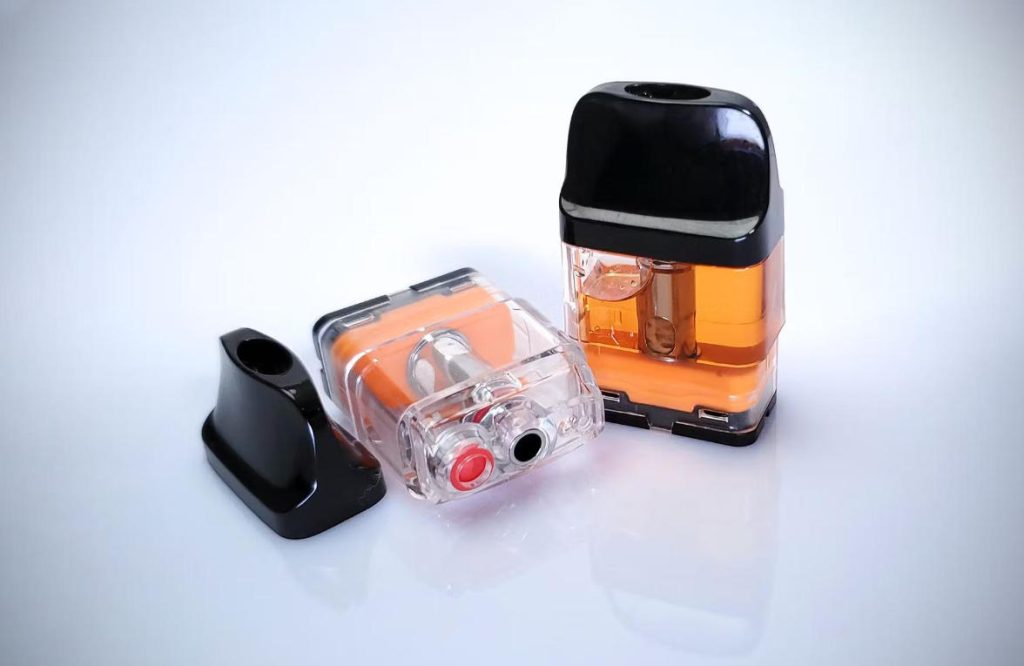
How to Refill a Vape Tank or Pod: A Beginner’s Guide Refillable vape tanks and pod systems allow adult users to choose from a wider range of e-liquids while continuing to use the same device. Compared with replacing an entire single-use vape, refilling a tank or pod can also reduce battery waste and lower long-term product costs. The process is generally straightforward, but beginners can encounter leaking, spilling, burnt coils and unwanted flavour mixing if the device is filled incorrectly. This guide explains how to refill top-fill tanks, bottom-fill tanks and refillable vape pods. It also covers coil priming, tank cleaning, leak prevention and the most common refilling mistakes. Important: Vape products containing nicotine are intended only for adults of legal purchasing age. Nicotine is addictive. Always follow the instructions supplied by the device and e-liquid manufacturer. Quick Answer: How Do You Refill a Vape? To refill a vape, turn off the device, remove or open the tank or pod, locate the correct e-liquid filling port and slowly add compatible e-liquid. Avoid the central airflow tube and do not fill above the maximum line. Close the port securely and allow a new coil to soak for five to ten minutes before vaping. What Do You Need to Refill a Vape? Before beginning, prepare the following items: A refillable vape tank or refillable pod Compatible e-liquid A replacement coil if the current one is worn out Paper towels or clean tissues The manufacturer’s instruction manual A clean, flat working surface Check the e-liquid bottle for damage before opening it. The nozzle should be narrow enough to fit comfortably into the device’s filling port. Keep all e-liquids away from children and pets. If e-liquid comes into contact with your skin, wash the affected area promptly according to the instructions on the product label. Is Your Vape Pod Actually Refillable? Not every pod is designed to be opened and refilled. Vape pods generally fall into three categories: Pod type Can it be refilled? What the user replaces Prefilled closed pod No Entire pod Refillable pod with built-in coil Yes Entire pod when coil wears out Refillable pod with replaceable coil Yes E-liquid and separate coil Do not attempt to force open, puncture or modify a sealed prefilled pod. Doing so can cause leaking, damage the device and expose the user to concentrated e-liquid. Look for a rubber filling plug, sliding top cap or clearly marked filling port. If no refill opening is shown in the instructions, the pod is probably not refillable. When Should You Refill a Vape Tank or Pod? It is better to refill a vape before the chamber becomes completely empty. Most transparent tanks and pods allow users to check the e-liquid level directly. Refill the chamber when the liquid approaches the manufacturer’s minimum line or when the wicking openings are no longer fully covered. Possible signs that the liquid level is too low include: Reduced vapour production Weaker or inconsistent flavour A dry sensation when inhaling Visible wick openings above the liquid A dry or burnt taste Stop using the device immediately if it tastes burnt. Continuing to vape may damage the coil and wick. Adding e-liquid cannot always repair a coil that has already burned, so a replacement may be necessary. Important Checks Before Refilling A few simple checks can prevent most refill-related problems. Turn Off the Device Switch off the vape before removing its tank, opening the filling system or handling the coil. Many devices can be turned off by pressing the power button several times quickly. Check the manual because the exact control sequence varies between models. Check the Coil Inspect the coil or pod for signs of wear. Replace it if you notice: A persistent burnt taste Dark or discoloured wick material Significant flavour loss Unusual gurgling that cleaning does not resolve E-liquid leaking around the coil A coil that has exceeded its normal service life Make sure the coil is correctly installed. A loose or misaligned coil is a common cause of leaking. Confirm E-Liquid Compatibility Different vape systems are designed for different e-liquid formulations. Compact pod systems and mouth-to-lung devices commonly use thinner e-liquids, while higher-powered sub-ohm tanks may require thicker, higher-VG liquids. Using an unsuitable liquid can lead to: Dry hits Flooded coils Leaking Weak vapour Reduced coil life Follow the device or coil manufacturer’s recommended VG/PG range and power settings. How to Refill a Top-Fill Vape Tank Top-fill tanks are among the easiest refillable systems to use. The filling port is located beneath a removable, sliding or rotating top cap. Step 1: Turn Off the Vape Switch off the device and place it upright on a stable surface. Depending on the design, you may leave the tank attached to the mod or remove it before filling. There is usually no need to remove the coil during a normal refill. Step 2: Open the Top Cap Different top-fill mechanisms include: A screw-off cap A sliding cap A push-to-open cap A rotating cap A hinged lid Follow any arrows or markings on the tank. Do not apply excessive force if the cap does not open easily. Step 3: Identify the Filling Port Locate the e-liquid inlet. It may be a small open slot or a silicone-covered port. Do not confuse the filling port with the central airflow chimney. The chimney is usually an open tube running through the middle of the tank. E-liquid entering the chimney can cause: Gurgling Spitting Liquid in the mouthpiece Leakage through the airflow holes Step 4: Add the E-Liquid Slowly Insert the bottle nozzle into the filling port and slowly squeeze the bottle. Tilt the device slightly if necessary, but avoid getting liquid into the central airway. Watch the level through the glass and stop at the maximum fill line. If the tank has no marked line, leave a small air gap at the top. Overfilling can increase pressure and push e-liquid into the airflow system. Step 5: Close the Tank Remove the bottle nozzle, wipe away

How Elf Bar Conquered and Adapted to the UK Vape Market

How Elf Bar Conquered and Adapted to the UK Vape Market Few vaping brands have influenced the UK market as quickly or visibly as Elf Bar. The brand initially built its reputation through compact disposable devices that combined simple operation, distinctive flavours and widespread retail availability. For several years, brightly packaged Elf Bar products became a familiar sight in independent vape shops, convenience stores and online retailers throughout the United Kingdom. The brand did more than launch a successful product—it helped redefine what many adult consumers expected from an entry-level vape. However, the UK vape industry has changed considerably. Since 1 June 2025, businesses have been prohibited from selling or supplying single-use vapes, including nicotine-free models. As a result, the market that originally supported Elf Bar’s rapid growth has shifted towards rechargeable and refillable products. Elf Bar’s development in the UK therefore provides an interesting case study in brand expansion, product segmentation and regulatory adaptation. The Rapid Rise of Elf Bar in the UK Elf Bar entered the international vaping market at a time when many vaping products were becoming increasingly technical. Traditional vape kits often required consumers to understand coils, wattage settings, e-liquid ratios and battery maintenance. Disposable products removed most of these decisions. The basic proposition was easy to understand: No buttons or complicated settings No separate e-liquid bottle No coil replacement No charging on traditional disposable models Compact and lightweight construction A wide selection of flavours A relatively low initial purchase price This simplified format reduced the learning curve for adult smokers and vapers who wanted a convenient alternative to more complicated open-system devices. Convenience as a Competitive Advantage Early Elf Bar devices were activated by inhaling. Consumers did not need to fill a tank, install a coil or adjust the power output. This user experience was particularly suitable for: Adults trying vaping for the first time Existing vapers looking for a backup device Consumers who wanted a portable product Users who did not want to maintain a traditional vape kit Convenience was not unique to Elf Bar, but the brand combined it with consistent packaging, extensive flavour choices and strong retail visibility. A Recognisable Product Design Elf Bar’s compact bar-shaped devices helped establish a recognisable visual identity. The rounded body, simple mouthpiece and colour-coded exterior made individual products easy to distinguish on retail displays. Rather than relying only on a small brand logo, the entire device became part of its identity. Consumers could often recognise the product shape and colour before reading its name. This visual consistency helped Elf Bar stand apart in an increasingly crowded disposable vape category. How Flavour Segmentation Helped Elf Bar Expand Another major element of Elf Bar’s growth was its flavour strategy. Instead of offering only a few traditional options, the brand introduced an extensive range covering fruit, ice, beverage, candy-inspired and menthol profiles. Popular flavour categories included: Fruit Flavours Fruit profiles created a broad and accessible product category. Examples associated with the brand have included combinations based on: Mango Watermelon Blueberry Strawberry Banana Peach Grape Kiwi These products allowed retailers to stock familiar single-fruit options alongside more complex mixed-fruit blends. Ice and Menthol Flavours Adding a cooling sensation enabled Elf Bar to create multiple variations of similar fruit profiles. A standard fruit flavour and an “ice” version could appeal to different consumer preferences while using recognisable flavour names. This approach helped expand the product range without requiring every flavour to represent a completely different concept. Beverage and Sweet Profiles Lemonade, cola and other beverage-inspired profiles helped the brand reach consumers looking for alternatives to conventional tobacco and menthol flavours. However, sweet names, colourful packaging and youth appeal have also attracted regulatory and public-health scrutiny across the UK vape industry. Responsible marketing must make clear that vaping products containing nicotine are intended only for adults. Retail Distribution Made Elf Bar Highly Visible A strong product alone does not guarantee market leadership. Elf Bar also benefited from extensive distribution. The products were made available through several important retail channels: Specialist vape shops Independent convenience stores Online vape retailers Wholesalers and regional distributors Selected supermarkets and larger retailers This multi-channel strategy made the brand accessible to different types of adult consumers. Specialist stores could provide advice about flavours and nicotine strengths, while convenience stores supported quick purchases. Online retailers could offer a broader selection and capture searches for specific products or flavours. Why Availability Matters in the Vape Industry Vape consumers frequently purchase replacement products. A brand that is widely stocked can become part of a consumer’s regular buying routine. Retail availability also affects brand trust. When consumers repeatedly see the same product in multiple established stores, the brand may appear more familiar and dependable. Elf Bar’s distribution network therefore supported both short-term sales and long-term brand recognition. Dividing the Market Through Multiple Product Categories Elf Bar’s strategy was not limited to selling one disposable device. The broader brand ecosystem expanded into different vaping formats, allowing it to serve multiple segments of the market. This category expansion became especially important as the UK moved away from single-use vapes. Rechargeable Prefilled Pod Systems Rechargeable pod systems preserve much of the simplicity associated with disposable devices while replacing the single-use battery. Products such as the ELFA Pro use a rechargeable device with replaceable pods. The user keeps the battery section and changes the pod when the e-liquid is finished. This type of system offers several familiar features: Inhale activation Compact design No complicated power controls Replaceable prefilled pods USB Type-C charging Mesh-coil technology Multiple flavour options The format gives adult users a relatively simple transition from disposables to a reusable system. According to the brand’s UK product information, the ELFA Pro is rechargeable and accepts replaceable compatible pods. These characteristics are important under the current reusable-vape requirements. ELFA Pro product information Refillable Pod Kits Refillable pod devices target consumers who want more control over e-liquid choice and ongoing costs. Instead of replacing a prefilled pod every time it becomes empty, the user can refill

What Is Heated Tobacco? Devices, Benefits, Risks and Regulations

What Is Heated Tobacco? Devices, Benefits, Risks and Regulations

What Is Heated Tobacco? A Complete Guide to Devices, Risks and Regulations Heated tobacco products have emerged as a distinct category within the global tobacco and nicotine market. Instead of burning tobacco like a conventional cigarette, these electronic devices heat specially designed tobacco sticks to create an aerosol containing nicotine, flavor compounds and other chemicals. Because heated tobacco products do not rely on combustion, their emissions are different from cigarette smoke. Some studies indicate that certain harmful chemicals may be present at lower levels than in conventional cigarette smoke. However, lower exposure to some chemicals does not mean the products are safe or free from health risks. This guide explains how heated tobacco devices work, why some adult smokers use them, how they differ from cigarettes and vaping products, and what buyers should know about their health implications and regulatory requirements. What Are Heated Tobacco Products? Heated tobacco products, commonly abbreviated as HTPs, are electronic systems that heat processed tobacco without setting it on fire. Most systems consist of three main parts: An electronic heating device A rechargeable battery A specially manufactured tobacco stick or capsule When the device is activated, the heating component raises the temperature of the tobacco. This process produces an inhalable aerosol containing nicotine and other substances. Unlike an electronic cigarette, an HTP uses real or reconstituted tobacco material. Unlike a conventional cigarette, it is designed to operate without burning that tobacco. Featured Snippet Answer What is heated tobacco? Heated tobacco is a category of tobacco products that uses an electronic device to heat processed tobacco rather than burn it. The heating process produces a nicotine-containing aerosol for the user to inhale. Heated tobacco products are different from both conventional cigarettes and e-cigarettes. How Do Heated Tobacco Devices Work? A heated tobacco device uses a controlled heating system to release nicotine and flavor compounds from a specially designed tobacco consumable. Although the technology varies between manufacturers, the general process involves four steps: The user inserts a compatible tobacco stick into the device. The heating system increases the temperature of the tobacco. An aerosol containing nicotine and other chemicals is generated. The user inhales the aerosol through the tobacco stick or mouthpiece. The device then completes a preset heating cycle before automatically switching off. Internal Heating Systems Some devices use a blade, pin or ceramic element that is inserted directly into the tobacco stick. This allows the tobacco to be heated from the inside. Internal heating systems can provide rapid heat transfer, but the heating element may require regular cleaning because tobacco residue can accumulate around it. External Heating Systems Other devices heat the tobacco stick from the outside using a surrounding heating chamber. There is no blade inserted into the tobacco material. This design may make cleaning easier and reduce the possibility of damaging the heating component during insertion or removal. Induction Heating Technology Newer tobacco heating systems may use electromagnetic induction. A metal component inside the tobacco consumable is heated by an electromagnetic field generated by the device. Induction systems are designed to provide more even heating and precise temperature control while reducing direct contact between the device and the tobacco material. What Are Heated Tobacco Sticks Made From? Heated tobacco sticks are not the same as ordinary cigarettes. They are specifically engineered for use with compatible heating devices. A typical tobacco stick may include: Processed or reconstituted tobacco Nicotine naturally present in tobacco Humectants such as glycerol Flavoring ingredients Cooling or filtration sections Outer wrapping material A mouthpiece filter The exact composition depends on the manufacturer, product design and destination market. Tobacco sticks are generally device-specific. A consumable made for one heating system may not work correctly or safely in another device. Retailers and distributors should therefore clearly identify device compatibility in product descriptions and packaging. Key Components of a Heated Tobacco Device The performance of an HTP depends on several electronic and mechanical components. Heating Element The heating element transfers heat to the tobacco material. It may take the form of a blade, ceramic pin, metal chamber or induction component. Temperature consistency is important because excessive heat could alter aerosol composition, while insufficient heat may result in weak aerosol and inconsistent flavor. Temperature Sensor Temperature sensors monitor the heating process and help maintain the device within its intended operating range. A stable temperature profile can support more consistent aerosol production, nicotine delivery and flavor performance. Battery Most modern heated tobacco devices use rechargeable lithium-ion batteries. Battery capacity affects the number of sessions that can be completed before recharging. Manufacturers should incorporate appropriate battery protection systems, including safeguards against: Overcharging Over-discharging Short circuits Excessive current Abnormal temperatures Control Circuit The control circuit manages heating time, temperature, battery output and device safety functions. Some devices also include vibration alerts, LED indicators or digital displays. Charging System Depending on the product, the user may charge the holder directly or place it inside a separate charging case. USB Type-C charging is increasingly common in newer tobacco heating systems. Why Do Some Adult Smokers Choose Heated Tobacco? The appeal of heated tobacco devices is influenced by product design, sensory experience, convenience and personal preferences. A Familiar Tobacco Experience Unlike vaping products that use liquid, heated tobacco devices contain actual processed tobacco. Some adult smokers therefore consider the taste and ritual more familiar than using an e-cigarette. The tobacco stick format may also resemble certain physical aspects of conventional smoking, including hand-to-mouth behavior and defined usage sessions. No Tobacco Combustion A conventional cigarette burns tobacco and generates smoke, ash and combustion-related chemicals. Heated tobacco devices are designed to heat tobacco without combustion. This difference is central to how HTPs are designed and marketed. Nevertheless, the aerosol still contains nicotine and potentially harmful substances. Less Persistent Odor Heated tobacco aerosol generally produces a different and often less persistent smell than cigarette smoke. Because no tobacco is burned, the products do not generate cigarette ash. Reduced odor may be one reason some users prefer HTPs, but it should not be

Middle East Mint & Fruit Vape Wholesale 2026: Top Popular Flavors

Middle East Mint & Fruit Vape Wholesale 2026: Top Popular Flavors

Middle East Mint & Fruit Vape Wholesale 2026: Top Popular Flavors The Middle East vaping market continues to grow steadily in 2026, driven by strong consumer preferences for cool mint and sweet fruit flavors. Unlike more experimental Western markets, Middle Eastern adult vapers tend to stick with familiar, refreshing, and smooth flavor profiles. For wholesalers and distributors, choosing the right flavor mix is not optional—it directly determines inventory turnover and profitability. This guide breaks down the most popular flavors, buying strategies, and inventory optimization tips tailored specifically for the Middle East market. 1. Flavor Consumption Habits of Middle East Adult Vapers Middle East consumers show consistent and predictable flavor behavior, which is a major advantage for wholesalers. Key characteristics include: Strong preference for cooling sensationsMint and menthol dominate due to the region’s warm climate. High demand for sweet but smooth fruit flavorsHarsh or overly artificial tastes are generally avoided. Low interest in complex dessert or tobacco blendsCompared to Europe or North America, dessert flavors perform poorly. Repeat purchase behaviorCustomers tend to stick to 1–2 favorite flavors rather than frequently switching. Implication for wholesalers:Focus on high-volume staple flavors rather than large experimental SKUs. 2. Top 10 Best-Selling Mint and Fruit Flavors for Middle East Wholesale These flavors consistently rank among the best-selling vape flavors in the Middle East for 2026: Mint-Dominant Flavors Ice Mint Double Mint Peppermint Ice Spearmint Chill Fruit + Mint Combinations Watermelon Ice Blueberry Mint Mango Ice Grape Mint Sweet Fruit Favorites Mixed Berries Peach Mango 6 Why these flavors win: Provide cooling relief in hot climates Deliver clean, non-heavy taste profiles Appeal to both new and experienced adult users 3. Unpopular Flavors to Avoid for Bulk Procurement Not all flavors perform well in the Middle East. Avoid overstocking the following: Dessert flavors (custard, cake, cream) Heavy tobacco blends Alcohol-inspired flavors Exotic or experimental mixes (e.g., spicy or herbal blends) Common issue:These flavors often result in slow turnover and dead stock, increasing storage and discounting pressure. 4. Flavor Proportion Allocation for Mixed Wholesale Orders A smart wholesale strategy is not just about choosing flavors—but balancing proportions correctly. Recommended allocation for bulk orders: Mint flavors: 40–50% Fruit + mint blends: 30–40% Pure fruit flavors: 15–25% Others (test SKUs): <5% 4 Pro tip:Always prioritize fast-moving SKUs and limit experimental inventory to small trial batches. 5. Seasonal Flavor Sales Trends and Inventory Adjustment Tips Although the Middle East market is relatively stable, seasonal adjustments can still improve performance. Summer (Peak Season) Increase stock of: Ice Mint Watermelon Ice Lemon Mint Reason: Strong demand for cooling and refreshing sensations Winter (Mild Variation) Slight increase in: Berry blends Mango-based flavors Mint still dominates overall Ramadan & Holiday Periods Higher consumption overall Mixed fruit flavors perform better as gift-friendly options Inventory Strategy: Maintain core mint stock year-round Adjust fruit ratios based on season and promotions Monitor sell-through rates monthly Conclusion & CTA The Middle East vape market in 2026 remains highly focused, predictable, and opportunity-rich for wholesalers who understand local flavor preferences. By prioritizing mint and fruit-based flavors, avoiding low-performing categories, and optimizing your flavor mix ratios, you can significantly improve inventory turnover and profit margins. Our product portfolio is fully aligned with Middle East market demand, offering carefully curated, best-selling flavor combinations designed for wholesale success. Contact us today to get customized mixed-flavor wholesale solutions and stay ahead in the competitive vape market.