 English
 French
 German
 Italian
 Polish
 Russian
 Spanish
Pod System Vape: A European B2B Sourcing Guide
A pod system vape is a vaping device built around a battery unit and a compatible pod or cartridge. For European wholesalers, distributors and importers, choosing a pod system involves more than comparing designs or unit prices: buyers should assess pod compatibility, product consistency, supplier documentation, replacement-pod availability and the requirements of each destination market.
This guide explains how to evaluate pod system formats, compare suppliers, prepare a practical purchasing checklist and verify EU and national requirements before placing an order. Product eligibility should always be confirmed for the exact model and destination country.
What Is a Pod System Vape?
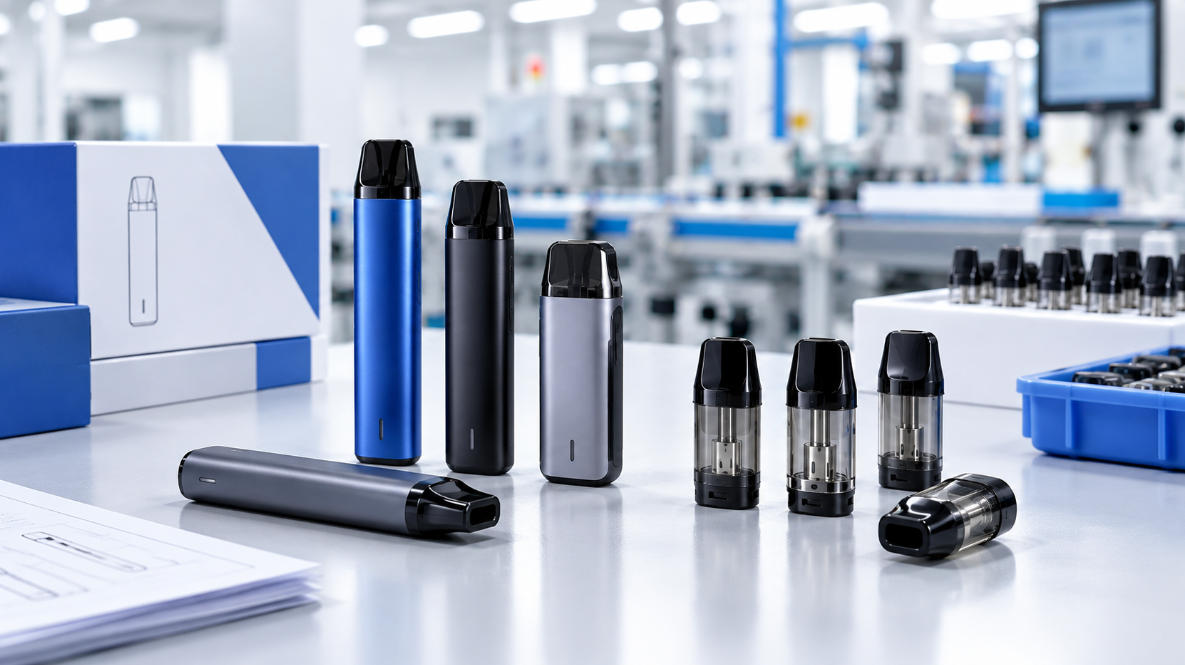
A pod system vape generally combines a rechargeable battery device with a pod that holds e-liquid and connects to the heating element. The exact design varies by model, so buyers should confirm whether the pod is prefilled, refillable, replaceable or integrated into a larger assembly.
- Closed pod system: uses prefilled pods or cartridges that are replaced when empty. Confirm compatibility, availability and the exact liquid configuration.
- Open pod system: uses pods designed to be filled with compatible e-liquid. Check the filling method, sealing design, maintenance instructions and compatible liquid specifications.
- Replaceable-coil pod system: allows a coil or coil assembly to be replaced separately on compatible designs. Confirm spare-part availability and the model-specific replacement procedure.
These labels are not enough to establish regulatory status. Ask the supplier for the technical specification, intended-use description and instructions for the exact SKU before comparing quotations.
Key Specifications B2B Buyers Should Compare
1. Device and pod compatibility
Confirm the device model, pod type, connection method, pod capacity, refill or replacement process, coil configuration and availability of compatible consumables. Ask the supplier to identify all compatible SKUs in writing. Do not assume that visually similar pods are interchangeable.
2. Battery and charging design
Request the battery type and capacity, charging input, connector, operating instructions and relevant product-specific test documentation. Ask how battery components are sourced, checked and traced. A particular connector or battery capacity does not by itself prove compliance or product safety.
3. Liquid delivery and leakage control
Ask how the supplier evaluates leakage, airflow, liquid-feed consistency, assembly variation and performance across production batches. Review the applicable inspection criteria and records, and compare samples under consistent conditions. Avoid accepting performance claims that are not tied to the exact product configuration.
4. Materials, packaging and product identification
Request a model-specific specification, batch identification method, packaging artwork and instructions. Check that labels, warnings and translations are prepared for each intended destination market. Confirm how design changes, component substitutions and packaging revisions are reviewed and approved.
How to Evaluate a Pod System Vape Supplier
Verify who manufactures the product
Establish whether the supplier is the actual manufacturer, an assembler, a brand owner, a trading company or an export agent. Request the legal company details and production address, and clarify which manufacturing or testing processes are subcontracted. Where appropriate, arrange a factory audit or independent inspection.
Review quality assurance and traceability
Ask for the quality-control plan and evidence relevant to the exact model: incoming-component checks, in-process inspections, final inspection criteria, batch records, defect classification and corrective-action procedures. Agree on acceptance criteria before production and document the process for handling non-conforming products.
Compare OEM, ODM and private-label terms
Some suppliers may support buyer branding, packaging changes or product-development work, but the scope varies. Specify which design elements can change, who owns tooling and artwork, how samples are approved, and how engineering changes affect cost and lead time. Make sure the approved sample matches the quoted production configuration.
Compare total landed cost, not only unit price
Request a written quotation that separates unit price, minimum order quantity (MOQ), sample charges, tooling or setup costs, packaging, testing where applicable, payment milestones, production lead time, Incoterm, carton details and shipping assumptions. Clarify warranty handling, spare-pod availability and the process for delays or defects.
EU Compliance Checks Before Importing Pod Systems
EU requirements depend on the product’s design, ingredients, nicotine content and intended market, as well as any applicable national measures. Article 20 of the EU Tobacco Products Directive (2014/40/EU) establishes requirements for electronic cigarettes and refill containers within its scope. Manufacturers and importers must submit product information to the competent authorities of the Member States where products are intended to be marketed, using the EU Common Entry Gate (EU-CEG). The Directive generally requires notification six months before placing a new or substantially modified product on the market. Read the Directive on EUR-Lex and consult the European Commission EU-CEG FAQ.
For covered nicotine-containing products, EU rules include a maximum nicotine concentration of 20 mg/ml and limits for the capacity of cartridges or tanks, alongside requirements concerning packaging, warnings, product information and child-resistant or tamper-evident features. Verify how these rules apply to the specific product and check current national rules before placing an order. European Commission: Electronic cigarettes.
Do not treat a supplier’s generic certificate or statement as proof that a pod system can be sold in every European country. Confirm product-specific documentation, notification status, label versions and the division of responsibilities between manufacturer and importer. National restrictions, tax, packaging, battery and environmental obligations may also need separate review.
Pod System Vape Procurement Checklist
- Identify the destination countries and confirm product eligibility before ordering.
- Obtain the exact model specification, product classification and intended-use description.
- Confirm whether pods are prefilled, refillable, replaceable or integrated, and verify compatibility.
- Review battery and charging information, quality checks and traceability records.
- Request the applicable technical documents, test reports and notification evidence for the exact model.
- Approve final packaging, warnings, translations and product identification before production.
- Compare MOQ, samples, lead time, Incoterms, shipping assumptions and payment terms in writing.
- Agree on sample approval, inspection rights, change control, defect remedies and after-sales support.
Questions to Ask Before Requesting a Quote
Send each supplier the same written specification, including target countries, device format, pod type, nicotine configuration where applicable, customization requirements, order forecast, packaging languages and target delivery window. Ask for the same quotation breakdown from every supplier so that the offers can be compared fairly.
For a first order, review samples and documentation before committing to mass production. For larger orders, consider independent pre-shipment inspection and ensure the contract defines acceptance criteria, delivery obligations and remedies for non-conforming goods.
Frequently Asked Questions
What is the difference between an open and a closed pod system?
An open pod system is designed to be filled with compatible e-liquid, while a closed system typically uses prefilled pods or cartridges that are replaced. Confirm the exact design and instructions for each model rather than relying on the product label alone.
What should European importers check before buying a pod system vape?
Check the exact model and pod compatibility, product specifications, quality-control records, traceability, packaging and warnings, applicable product notifications and destination-country requirements. Clarify which tasks belong to the manufacturer and which belong to the importer.
Does EU-CEG notification mean a product is automatically approved for sale?
Notification is part of the regulatory process; it should not be described as a universal approval or guarantee of market access. Buyers should verify the applicable requirements and status with the relevant national authority for the exact product and market.
Can pod systems be customized for a private label?
Some suppliers offer private-label, OEM or ODM options. Confirm the available customization scope, minimum order quantities, sample process, artwork and tooling ownership, and whether any product change requires updated documentation or regulatory review.
How can buyers compare pod system suppliers fairly?
Use the same technical specification and quality criteria for every supplier. Compare total cost, pod compatibility, documented quality controls, lead times, MOQ, shipping terms, after-sales procedures and product-specific compliance support—not unit price alone.
Next Steps for European B2B Buyers
A suitable pod system supplier should be able to explain the product configuration, provide verifiable quality evidence, state commercial terms clearly and cooperate with market-specific compliance checks. Prepare a written product specification and destination-market checklist before requesting final quotations.
Explore our related guides: vape pods sourcing for Europe, China pod system manufacturer guide and European vape compliance requirements.
This article provides general B2B sourcing information, not legal advice. Verify current rules with the relevant national authority or qualified local counsel before importing or marketing a product.