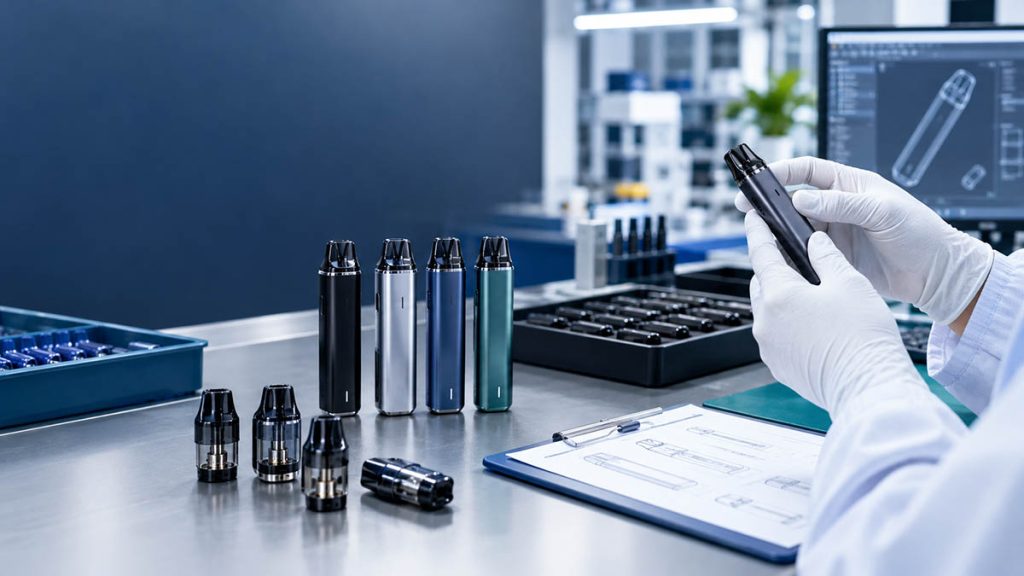
Qatar & Kuwait Vape Wholesale 2026: Local Compliance & Hot Products

Qatar & Kuwait Vape Wholesale 2026: Local Compliance & Hot Products Introduction Qatar and Kuwait are emerging as high-value vape markets in the Middle East in 2026. Although their market size is smaller compared to the UAE or Saudi Arabia, both countries feature strong consumer purchasing power, high per-unit profit margins, and growing demand for premium vaping products. For wholesale buyers, understanding local compliance requirements and consumer preferences is essential. While both countries generally follow GCC regulatory frameworks, subtle differences in customs procedures, labeling standards, and product acceptance can significantly impact import success and sales performance. 1. 2026 Qatar & Kuwait Vape Policy and Compliance Features Both Qatar and Kuwait adopt regulatory systems aligned with Gulf standards, focusing on product safety, labeling transparency, and controlled nicotine usage. Key Regulatory Characteristics: Strict customs inspection for imported vape products Mandatory compliance with GCC safety standards Clear labeling requirements including nicotine content and warnings Restrictions on misleading packaging and youth-oriented designs While regulations are not as complex as in Europe or the US, enforcement at customs is strict. Non-compliant products are often rejected or delayed. 2. Required Certifications & Packaging Standards for Customs Clearance 4 To ensure smooth customs clearance in Qatar and Kuwait, wholesalers must prepare complete documentation and compliant packaging. Essential Documents: GSO (Gulf Standardization Organization) certification Product test reports (battery safety and e-liquid compliance) Ingredient declaration sheets Commercial invoice and packing list Packaging Requirements: Arabic and English bilingual labeling Clear nicotine strength indication Health warnings printed on packaging Batch number and traceability information Proper documentation and labeling significantly increase clearance success rates. 3. Consumer Flavor Preferences & Puff Count Trends Understanding local consumer preferences helps wholesalers select the right inventory. Popular Flavor Profiles: Mint and icy menthol Mango, grape, and watermelon Mixed fruit blends with cooling effects Puff Count Preferences: 10000–20000 puff disposable vapes are the most popular Long-lasting devices are preferred over low-capacity models Stable flavor output is more important than extreme vapor production Consumers in both markets prioritize smooth taste, cooling sensation, and reliability. 4. Cost-Effective Wholesale Product Portfolio for SME Buyers For small and medium-sized wholesale buyers, a balanced product portfolio is key to maximizing profit while minimizing risk. Recommended Product Mix: Entry-level disposable vapes (1000 puffs) for price-sensitive customers Mid-range models (1200–1500 puffs) as core inventory Premium high-puff devices (1800–2000 puffs) for high-end retail Strategy Tips: Focus on fast-moving flavors first Avoid overstocking niche or experimental flavors Maintain flexible inventory rotation cycles This structured approach ensures stable cash flow and higher inventory turnover. 5. Local Sales & Inventory Management Tips 7 Efficient sales and inventory management are critical for success in Qatar and Kuwait markets. Best Practices: Work with local distributors familiar with regulations Maintain consistent stock of best-selling flavors Monitor seasonal demand fluctuations Optimize pricing based on market competition Retail environments in these regions favor well-organized product displays and premium branding, making presentation an important sales factor. Conclusion & CTA Qatar and Kuwait offer strong profit potential for vape wholesalers in 2026, driven by high consumer purchasing power and increasing demand for premium disposable vape products. However, success depends on strict compliance with GCC regulations, proper documentation, and targeted product selection. We provide fully compliant vape products tailored for Qatar and Kuwait markets, including complete certification documents, optimized packaging, and best-selling flavor portfolios. Contact us today to get exclusive wholesale pricing, customized product recommendations, and reliable supply solutions for your Middle East business.
Middle East Vape Logistics Wholesale 2026: Fast & Safe Shipping Solution

Middle East Vape Logistics Wholesale 2026: Fast & Safe Shipping Solution Introduction The Middle East vape wholesale market continues to expand rapidly in 2026, but logistics remains one of the biggest operational challenges for global distributors. High temperatures, long-distance transportation, and strict customs inspections can easily lead to product issues such as e-liquid leakage, battery instability, and shipment delays. Choosing a professional and specialized vape logistics solution is critical for ensuring safe, fast, and compliant delivery. This guide outlines the most effective shipping strategies, packaging standards, and logistics channels to help wholesalers minimize risk and maintain stable supply chains in the Middle East. 1. Transportation Challenges in High-Temperature Middle East Environments 4 The Middle East climate presents extreme logistical challenges for vape products, especially during summer months where temperatures can exceed 45°C (113°F). Key Risks Include: E-liquid leakage: Heat expansion causes internal pressure buildup, leading to leakage Battery overheating: Lithium-ion batteries may become unstable under prolonged high temperatures Device deformation: Plastic components may warp during transport Flavor degradation: High heat affects e-liquid taste quality Without proper protection and logistics planning, these issues can significantly increase defective rates and after-sales complaints. 2. Advantages of Middle East Dedicated Vape Logistics Lines Specialized vape logistics channels are designed to handle the unique requirements of transporting vape products internationally. Key Benefits: Higher customs clearance success rate due to experience with vape regulations Optimized shipping routes to reduce transit time Dedicated handling procedures for sensitive goods like batteries and e-liquids Stable delivery schedules for bulk wholesale orders Compared to general logistics providers, dedicated Middle East vape shipping lines offer significantly lower risk and higher efficiency. 3. Shipping Cycle, Cost Comparison & Channel Selection Strategy Choosing the right logistics method depends on urgency, budget, and order size. Common Shipping Options: Air Freight (7–12 days): Fastest delivery option Higher cost Ideal for urgent replenishment orders Dedicated Vape Shipping Lines (7–15 days): Balanced speed and cost Optimized for vape products Most recommended for wholesalers Sea Freight (20–35 days): Lowest cost Suitable for large-volume bulk orders Longer delivery cycle Strategy Tips: Use air freight for fast-moving SKUs Combine sea and dedicated lines for cost control Plan inventory cycles based on shipping timelines 4. High-Temperature Resistant Packaging & Anti-Leakage Protection 7 Proper packaging is the most effective way to prevent product damage during transportation. Essential Packaging Measures: Heat-resistant materials to reduce internal temperature impact Sealed anti-leak cartridges to prevent e-liquid escape Foam cushioning and shockproof structure to protect devices Battery insulation packaging to prevent short circuits Professional packaging not only protects products but also ensures compliance with international shipping standards. 5. Full Tracking System & After-Sales Guarantee Reliable logistics providers offer end-to-end shipment tracking and after-sales support. Key Features: Real-time tracking updates from shipment to delivery Customs clearance status monitoring Issue reporting and rapid response system Compensation policies for lost or damaged goods For wholesalers, this transparency reduces uncertainty and ensures better inventory planning. Image Suggestions High-temperature resistant vape packaging demonstration Middle East logistics container and shipping environment Shipment tracking system interface screenshot Conclusion & CTA Middle East vape logistics requires specialized solutions to overcome challenges such as extreme heat, long-distance transport, and strict customs regulations. By choosing dedicated vape shipping lines, optimizing packaging, and implementing full tracking systems, wholesalers can ensure safe and efficient delivery of bulk orders. Rockme vape cooperate with experienced Middle East vape logistics providers to deliver fast, safe, and compliant shipping solutions for global wholesale buyers. Contact us today to get customized logistics plans, competitive shipping rates, and reliable delivery services for your Middle East vape business.
Arabic Custom Vape Packaging Wholesale 2026: Private Label for Middle East

Arabic Custom Vape Packaging Wholesale 2026: Private Label for Middle East Introduction In the Middle East vape market, packaging design is no longer just a visual element—it is a key factor influencing purchasing decisions and brand competitiveness. In 2026, Arabic custom vape packaging has become a major trend in wholesale and private label development, especially across the UAE, Saudi Arabia, Qatar, and Kuwait. Local consumers strongly prefer products that reflect regional language, cultural identity, and professional branding. For wholesalers and distributors, investing in Arabic customized packaging significantly improves shelf appeal, brand recognition, and long-term sales performance in competitive retail environments. 1. Market Advantages of Arabic Custom Vape Packaging in the Middle East Arabic packaging provides clear competitive advantages in the Middle East vape wholesale market. Strong Local Brand Recognition Products with Arabic labeling are more trusted by local consumers and retail distributors, increasing purchase conversion rates. Higher Retail Shelf Visibility Arabic-designed packaging stands out more in physical vape shops compared to English-only imports. Better Market Localization Customized packaging helps international brands adapt to regional cultural preferences, improving brand acceptance. Increased Wholesale Demand Distributors prefer private label products with localized packaging because they are easier to position in different retail segments. 2. 2026 Compliance Standards for Arabic Vape Packaging All vape packaging in the Middle East must follow strict regulatory and labeling standards in 2026. Mandatory Requirements: Arabic language warning text on all packaging Clear nicotine content labeling Ingredient and safety information display Batch number and traceability code inclusion No misleading or youth-appealing design elements Regulators in countries such as Saudi Arabia and the UAE strictly inspect packaging compliance during customs clearance. Non-compliant packaging may result in shipment rejection or fines. 3. Full Customization Scope for Private Label Vape Packaging Arabic custom vape packaging supports full OEM and private label customization. Custom Options Include: Brand logo printing and placement Arabic + English bilingual labeling Color scheme customization based on brand identity Packaging structure design (box, carton, disposable wrap) Flavor-specific visual design elements QR code and traceability integration This flexibility allows wholesalers to build differentiated brands tailored for specific Middle East retail channels. 4. Low MOQ Private Label Policy for Middle East Buyers To support new and growing distributors, many manufacturers offer flexible MOQ (Minimum Order Quantity) options. Key Benefits: Low entry barrier for new brands Small batch testing before mass production Faster market validation of new packaging designs Reduced financial risk for wholesalers This approach is especially popular among Middle East distributors launching new private label vape brands in competitive retail markets. 5. Custom Design Process & Sample Confirmation Steps A structured customization process ensures packaging quality and compliance. Step 1: Requirement Confirmation Clients provide branding direction, market target, and design preferences. Step 2: Design Draft Creation Professional design teams create Arabic packaging mockups based on compliance rules. Step 3: Sample Production Physical samples are produced for review, including print quality and material testing. Step 4: Approval & Mass Production After confirmation, bulk production begins with strict QC inspection. Step 5: Packaging & Shipment Finished products are packed according to export standards and shipped to destination markets. Image Suggestions Arabic custom vape packaging design samples Private label vape box mockups with Arabic text Compliance labeling layout examples for Middle East markets Conclusion & CTA Arabic custom vape packaging is a key strategy for building strong private label vape brands in the Middle East in 2026. It enhances brand recognition, improves retail performance, and ensures compliance with regional regulations. rockme vape provide full-service Arabic custom vape packaging and private label OEM solutions for Middle East distributors, including design support, low MOQ production, and compliant labeling systems. Contact us today to develop your exclusive vape brand and get competitive wholesale customization solutions.
US State Vape Laws 2026: Wholesale Buying Guide for Different States

US State Vape Laws 2026: Wholesale Buying Guide for Different States Introduction The United States vape market offers enormous opportunities, but it is also one of the most complex regulatory environments globally. Unlike regions with unified regulations, U.S. vape laws vary significantly by state, covering flavor bans, tax structures, product restrictions, and retail compliance rules. For wholesalers and distributors in 2026, adopting a one-size-fits-all procurement strategy often leads to unsellable inventory, compliance violations, and financial losses. Many distributors entering or expanding in the U.S. market underestimate these regional differences. As a result, they face issues such as banned flavored products in certain states, unexpected tax burdens, and restricted product categories that cannot be legally sold. This guide provides a comprehensive breakdown of U.S. state vape laws in 2026, including policy classifications, flavor restrictions, tax differences, inventory allocation strategies, and compliance optimization tips. It helps wholesalers build a flexible and state-specific procurement strategy to maximize profitability and minimize regulatory risks. 2026 Vape Policy Classification of Mainstream US States To simplify procurement strategies, U.S. vape regulations can be broadly divided into three categories: open states, restricted states, and strict ban states. Open States States such as Texas and Florida maintain relatively open vape markets. These regions allow the sale of most compliant vape products, including disposable vapes, pod systems, and a wide range of flavors. Key characteristics: No statewide flavor bans Moderate taxation Stable retail demand These states are ideal for large-scale wholesale distribution and diverse product portfolios. Restricted States States like California and New York fall into the restricted category. They impose partial flavor bans and stricter retail compliance rules. Key characteristics: Ban on certain flavored products (especially fruit and sweet flavors) Higher taxes Strong enforcement on labeling and marketing Wholesalers must carefully select compliant product lines for these regions. Strict Ban States Some states enforce near-total restrictions on flavored vape products or specific device categories. Key characteristics: Comprehensive flavor bans Limited product categories allowed Strict enforcement and penalties These markets require highly selective inventory, typically focusing on tobacco and menthol products only. Flavor Ban Status and Allowed Product Types Flavor regulations are one of the most critical factors affecting vape wholesale decisions in the U.S. Allowed Flavors in Open Markets Fruit flavors (mango, grape, watermelon) Mint and menthol Dessert and beverage flavors These products dominate sales volume in open states. Restricted Flavor Markets In states with partial bans: Tobacco and menthol are generally allowed Some mint variants may be restricted Sweet and fruity flavors are often prohibited Product Type Differences Disposable vapes remain popular but face increasing scrutiny Pod systems are more widely accepted in restricted markets High-capacity devices may be regulated differently by state Understanding local flavor policies is essential to avoid unsellable inventory. State-Level Vape Tax Differences and Profit Impact Taxation varies significantly across states and has a direct impact on wholesale profit margins. Low-Tax States Lower retail prices Higher sales volume Strong consumer demand Ideal for high-volume distribution strategies. High-Tax States Increased retail pricing Reduced consumer purchasing frequency Higher operational costs Examples include states with additional excise taxes on e-liquids or per-unit taxes on devices. Profit Impact Higher taxes reduce net margins Pricing strategies must be adjusted per state Logistics and tax planning become critical Wholesalers must factor tax differences into cost calculations and pricing models. Targeted Inventory Allocation for Multi-State Distributors A successful U.S. vape wholesale strategy requires diversified inventory planning based on regional demand. Open States Strategy Stock a wide range of flavors and device types Focus on high-turnover disposable vapes Introduce new trending products quickly Restricted States Strategy Prioritize tobacco and menthol flavors Offer compliant pod systems Reduce exposure to high-risk flavored products Strict States Strategy Focus only on fully compliant SKUs Maintain minimal but safe inventory Avoid experimental or niche products Inventory Balance Multi-state distributors should segment inventory by region to avoid cross-market compliance risks and maximize sales efficiency. Compliance Adjustment Skills for Cross-State Wholesale Operating across multiple states requires flexible compliance management. Stay Updated on Local Regulations State laws change frequently. Regular monitoring ensures your inventory remains compliant. Work with Compliant Suppliers Choose suppliers who understand U.S. regulations and can provide: Accurate labeling Verified product documentation State-specific compliance support Standardize Documentation Maintain complete records including: Product specifications Ingredient lists Compliance certifications Flexible Logistics Planning Use distribution centers strategically to manage inventory across different states and reduce compliance risks. Avoid High-Risk Procurement Do not bulk purchase products that may be restricted in multiple states, even if they are popular in certain regions. Conclusion In 2026, the diversity of U.S. state vape laws makes localized procurement strategies essential for wholesale success. From flavor bans and tax differences to product restrictions and compliance requirements, each state presents unique challenges and opportunities. By classifying markets, optimizing inventory allocation, understanding tax impacts, and maintaining strict compliance standards, wholesalers can effectively navigate the complex U.S. regulatory landscape and achieve sustainable growth. rockme vape provide state-specific compliant vape product portfolios tailored to different U.S. markets, helping distributors minimize risks and maximize profitability. Our solutions include compliant product sourcing, documentation support, and customized wholesale strategies. Contact us today to receive personalized inventory recommendations, competitive wholesale pricing, and professional support for expanding your U.S. vape distribution business.
US Vape Accessory Wholesale 2026: High Demand & High Profit Accessories

US Vape Accessory Wholesale 2026: High Demand & High Profit Accessories In 2026, vape accessories have become one of the most profitable and stable segments in the US vape wholesale industry. Compared to core devices such as disposables and pod systems, accessories feature lower procurement costs, faster inventory turnover, and consistent repeat purchase demand. For distributors and retailers, adding a well-structured accessory portfolio is no longer optional—it is a strategic move to maximize overall profit margins and improve customer retention. From chargers and cables to protective cases and replacement components, vape accessories serve as essential add-ons that complement primary products while generating additional revenue streams. This guide explores the latest US market demand, top high-profit accessories, compliance standards, and practical wholesale strategies to help buyers build a competitive and scalable accessory supply chain. 1. US Vape Accessory Market Demand & Profit Analysis (2026) The US vape accessory market continues to grow alongside the expansion of disposable vapes and pod systems. Every device sold creates ongoing demand for compatible accessories, making this category highly sustainable. Key demand drivers include: High repurchase frequency: Items like charging cables and coils require regular replacement Cross-selling opportunities: Accessories are often purchased together with devices Low cost, high margin: Accessories typically offer higher markup percentages than core devices Wide compatibility: Universal accessories increase sales flexibility across product lines From a profit perspective, accessories often deliver 30%–70% retail margins, depending on product type and sourcing efficiency. This makes them an ideal category for boosting overall wholesale profitability without significantly increasing operational risk. 2. Top High-Profit Vape Accessories for Wholesale A successful accessory portfolio should focus on high-demand, fast-moving products that are compatible with mainstream devices. Vape Chargers & USB Cables 8 Chargers and cables are essential for all rechargeable vape devices. Type-C fast charging cables are especially popular due to their compatibility and efficiency. These products have extremely low production costs and high turnover rates. Protective Cases & Carrying Accessories 6 Protective cases help extend device lifespan and enhance portability. Stylish and durable designs appeal to younger consumers, making them ideal for upselling and branding. Replacement Parts (Coils, Pods, Cartridges) 4 Replacement components are among the most profitable accessories due to their continuous consumption cycle. Customers regularly purchase coils and pods, ensuring stable repeat business. Additional Accessories (Adapters, Lanyards, Cleaning Tools) 7 Small accessories provide excellent add-on sales opportunities. While individually low-cost, they significantly increase average order value when bundled. 3. Accessory Quality Standards & Safety Requirements in the US Although vape accessories are less regulated than devices, quality and safety remain critical for long-term business success. Key standards include: Electrical safety compliance for chargers and cables to prevent overheating and short circuits Durable materials such as heat-resistant plastics and certified wiring components Compatibility testing to ensure proper fit with mainstream vape devices Clear labeling including voltage, usage instructions, and safety warnings Low-quality accessories can lead to device damage, safety risks, and increased return rates. Therefore, sourcing from reliable manufacturers with strict quality control systems is essential. 4. Bulk Wholesale Pricing Advantages & Mixed Order Strategies One of the biggest advantages of vape accessory wholesale is pricing flexibility. Compared to devices, accessories allow for more aggressive bulk discount strategies. Recommended procurement approaches: Tiered pricing models: Larger quantities unlock significantly lower unit costs Mixed SKU orders: Combine multiple accessory types to meet MOQ while diversifying inventory Bundle sales strategy: Pair accessories with devices to increase overall order value Private label options: Customize packaging and branding for higher perceived value For new buyers, starting with mixed small-batch orders helps test market demand before scaling procurement volume. 5. Inventory Matching Strategies with Core Vape Products To maximize sales efficiency, vape accessories should be strategically aligned with your main product offerings. Best practices include: Match accessories with popular devices: Ensure compatibility with your top-selling vape models Stock fast-moving essentials: Prioritize chargers, cables, and replacement parts Use tiered inventory structure: Combine high-volume essentials with premium add-ons Monitor sales data: Adjust accessory inventory based on device sales trends For example, if disposable vapes dominate your store, focus on portable accessories and carrying solutions. If pod systems are your core products, prioritize replacement pods and charging accessories. Conclusion In 2026, vape accessories represent a powerful opportunity for US wholesalers to increase profit margins, improve customer retention, and build a more resilient product portfolio. With their low cost, high demand, and consistent repurchase cycle, accessories are the perfect complement to core vape products. By focusing on high-quality items, leveraging bulk pricing strategies, and aligning inventory with device sales, distributors can unlock significant growth potential. We provide a complete range of high-quality vape accessories, including chargers, cables, cases, and replacement parts, all available for mixed bulk orders with competitive factory pricing. Contact us today to get customized wholesale solutions, accessory bundles, and exclusive discount offers tailored to your US vape business.
How to Start a Vape Shop Business in USA 2026: Complete Wholesale Business Plan

How to Start a Vape Shop Business in USA 2026: Complete Wholesale Business Plan The vape shop industry has experienced significant growth over the past decade, becoming one of the most promising retail sectors in the United States. As vaping products continue to gain popularity as alternatives to traditional tobacco, more entrepreneurs are entering the market to capture this growing demand. Vape shops offer a wide range of products, including disposable vapes, pod systems, e-liquids in various flavors and nicotine strengths, as well as accessories such as batteries, coils, and chargers. Many modern vape stores also provide value-added services like product education, customization, and maintenance support, helping to enhance customer experience and loyalty. However, like any competitive industry, the vape business also presents challenges. Retailers must navigate complex and evolving regulations, manage supply chains efficiently, maintain product compliance, and adapt to changing consumer preferences. Building a sustainable vape shop in 2026 requires a strategic approach, starting with a well-structured business plan and a reliable wholesale supply system. Understanding the difference between a smoke shop and a vape shop is essential before launching your business. Smoke shops typically sell traditional tobacco products such as cigarettes, cigars, and rolling tobacco, along with smoking accessories like pipes and lighters. Vape shops, on the other hand, focus exclusively on vaping products, including e-cigarettes, mods, pod systems, and e-liquids. Their target audience is more specific—primarily adult smokers seeking alternatives or vaping enthusiasts interested in advanced devices and flavors. This distinction allows vape shops to position themselves as specialized retailers with deeper product knowledge and a more focused customer experience. Creating a business plan is one of the most critical steps in starting a vape shop. A comprehensive business plan acts as a roadmap that outlines your business goals, operational structure, and growth strategies. It begins with an executive summary that defines your vision, mission, and target market. The company description should include your store name, location, ownership structure, and unique selling points that differentiate your business from competitors. A detailed product and service section should outline your offerings, sourcing strategy, and quality standards to ensure compliance and customer satisfaction. Marketing and sales strategies are equally important. A strong branding identity, combined with both online and offline marketing channels, helps attract customers and build brand recognition. Social media platforms such as Instagram, TikTok, and Facebook play a vital role in promoting new products and engaging with local audiences. Loyalty programs, promotions, and partnerships with local businesses can further enhance customer retention and long-term profitability. Operational planning ensures smooth day-to-day business activities. This includes inventory management, supplier coordination, staffing, and customer service protocols. Efficient workflows help maintain stock levels, reduce waste, and improve overall customer experience. Regularly updating your business plan allows you to adapt to market changes and seize new opportunities as they arise. The cost of opening a vape shop in the USA can vary significantly depending on location, store size, and business scale. Initial expenses typically include rent or property purchase, store renovation, licenses and permits, legal fees, and inventory procurement. Startup costs can range from a few thousand dollars for a small shop to over $100,000 for a fully equipped retail store. Conducting detailed financial planning and budgeting is essential to avoid unexpected expenses and ensure a stable launch. Setting up a vape shop requires careful consideration of several key factors. Choosing the right location is crucial—high-traffic areas with good visibility and accessibility are ideal for attracting customers. Store design should reflect your brand identity while providing a comfortable and organized shopping environment. Inventory management involves selecting reliable wholesale suppliers, maintaining optimal stock levels, and staying updated with trending products. Hiring knowledgeable staff who understand vaping products and regulations can significantly improve customer satisfaction and sales performance. Marketing and promotion play a vital role in building your customer base. Developing a strong brand identity with a unique logo and consistent visual elements helps differentiate your shop. Combining digital marketing strategies with local advertising can maximize exposure. Social media engagement, influencer collaborations, and in-store events are effective ways to attract attention and drive traffic. Customer retention strategies such as loyalty programs, personalized offers, and regular communication help maintain long-term relationships and increase repeat purchases. To stay competitive in the vape industry, continuous improvement is essential. Keeping up with new product releases, technological advancements, and regulatory updates allows you to adapt quickly to market changes. Offering high-quality products, maintaining compliance, and delivering exceptional customer service are key factors in building a strong reputation. Networking with industry professionals and attending vape trade shows can also provide valuable insights and business opportunities. In conclusion, starting a vape shop business in the USA in 2026 offers significant growth potential for entrepreneurs who are prepared to invest time, research, and strategic planning. By developing a comprehensive business plan, selecting a prime location, building a compliant and stable supply chain, and implementing effective marketing strategies, you can establish a successful and sustainable vape retail business. Partnering with a reliable wholesale supplier ensures access to high-quality, compliant products and competitive pricing, helping you maximize profit margins and long-term growth. Contact us today to get wholesale support, product recommendations, and customized solutions to launch your vape shop successfully.
FDA Compliant Vape Wholesale 2026: Full Guide for US Retailers & Distributors

FDA Compliant Vape Wholesale 2026: Full Guide for US Retailers & Distributors Introduction The United States remains one of the most tightly regulated yet highly profitable vape markets in the world. In 2026, the U.S. Food and Drug Administration has further strengthened its supervision over vape products, making FDA compliance the absolute baseline for all wholesalers, distributors, and retail store owners. Non-compliant vape products now face immediate customs seizure, market removal, heavy fines, and even permanent sales bans. For many vape business owners, navigating FDA regulations can be complex and time-consuming. Missing product registrations, incomplete ingredient disclosures, and unverified supplier claims are among the most common reasons for business disruption. As a result, sourcing FDA compliant vape wholesale products is no longer optional—it is essential for survival and long-term growth in the U.S. market. This comprehensive guide explains the latest FDA regulation updates, mandatory compliance requirements, supplier verification strategies, high-risk products to avoid, and recommended inventory planning for U.S. vape retailers and distributors in 2026. 2026 Latest FDA Vape Regulation Updates and Enforcement Focus In 2026, the FDA continues to tighten enforcement on all vape-related products, especially disposable vapes and pod systems. The key regulatory focus areas include product authorization, ingredient transparency, and manufacturing compliance. Premarket Tobacco Product Application (PMTA) All vape products must undergo the PMTA process before being legally marketed in the U.S. This requires manufacturers to submit detailed scientific data demonstrating that the product is appropriate for public health protection. Ingredient Disclosure Requirements Manufacturers must provide full ingredient lists, including nicotine content, flavoring components, and any additives used in e-liquids. Undeclared ingredients are strictly prohibited. Manufacturing Standards The FDA enforces strict Good Manufacturing Practices (GMP), ensuring consistent product quality, safety, and traceability throughout the production process. Enforcement Actions Non-compliant products are subject to: Import refusal at U.S. customs Warning letters and fines Product seizure and destruction Retail sales prohibition Understanding these updates is critical for wholesalers to avoid legal risks and ensure uninterrupted business operations. Mandatory FDA Registration and Testing Requirements To enter the U.S. market legally, vape products must meet several mandatory FDA compliance requirements. FDA Establishment Registration Manufacturers must register their facilities with the FDA and renew registration annually. Product Listing Submission Each vape product must be listed with the FDA, including detailed product specifications and labeling information. Laboratory Testing Reports Products must undergo rigorous testing, including: Nicotine concentration verification Emissions testing Toxicological analysis Labeling Compliance All packaging must include: Accurate nicotine warnings Ingredient disclosures Manufacturer information Failure to meet any of these requirements can result in immediate rejection during customs clearance. How to Verify Supplier FDA Qualification and Product Authenticity Selecting a reliable supplier is crucial to ensuring FDA compliance and protecting your business. Request Official Documentation A qualified supplier should provide: FDA registration certificates Product listing confirmation PMTA-related documentation Third-party lab test reports Verify Through Official Channels Cross-check supplier information through official FDA databases to confirm authenticity and validity. Conduct Sample Testing Before placing bulk orders, request product samples to verify: Nicotine accuracy Flavor consistency Device performance Evaluate Production Capability Reliable suppliers operate standardized factories with strict quality control systems, ensuring consistent compliance across all batches. Avoid suppliers who cannot provide verifiable documentation or offer unusually low prices, as these often indicate non-compliant or counterfeit products. High-Risk Non-Compliant Product Types to Avoid In 2026, certain vape product categories carry significantly higher compliance risks in the U.S. market. Unauthorized Disposable Vapes Disposable vapes without PMTA authorization are among the most targeted products by FDA enforcement. Mislabelled Nicotine Products Products with incorrect nicotine labeling or hidden concentrations are considered illegal. Unverified Flavored Products Flavors without proper ingredient disclosure or testing documentation may be rejected. Counterfeit or Imitation Brands Products imitating well-known brands without authorization can lead to legal disputes and confiscation. Avoiding these high-risk products is essential to prevent financial loss and legal complications. Best-Selling FDA-Compliant Vape Inventory for US Retail Stores To succeed in the U.S. market, retailers should focus on compliant and high-demand product categories. Disposable Vapes (Compliant Models) Convenient and easy to use High turnover rate Popular among new users Closed Pod Systems Replaceable pods for repeat purchases Stable performance and consistent quality Low to Moderate Nicotine Products Preferred by adult users seeking controlled nicotine intake Better aligned with regulatory expectations Classic Flavor Categories Tobacco and menthol remain the safest and most stable options Fully compliant with FDA guidelines Building a balanced and compliant inventory helps retailers maximize sales while minimizing regulatory risks. Conclusion FDA compliance is the cornerstone of a successful vape wholesale and retail business in the United States in 2026. With increasingly strict enforcement on product registration, ingredient transparency, and manufacturing standards, non-compliant products are no longer viable in the market. By understanding the latest FDA regulations, verifying supplier qualifications, avoiding high-risk products, and selecting compliant inventory, wholesalers and retailers can ensure smooth operations, protect their reputation, and achieve long-term profitability. rockme vape specialize in providing fully FDA registered vape products with complete documentation, strict quality control, and reliable supply chain support. Our solutions are designed to help U.S. vape businesses navigate compliance requirements with confidence. Contact us today for verified wholesale price lists, free product samples, and customized FDA-compliant vape supply solutions tailored to your business needs.
EU Vape Wholesale Tax & Duty Guide 2026: Cost Calculation for Importers

EU Vape Wholesale Tax & Duty Guide 2026: Cost Calculation for Importers Introduction For vape wholesalers entering the European market in 2026, understanding tax and duty structures is essential for maintaining healthy profit margins. Unlike product compliance, which is often prioritized, tax calculation is frequently underestimated by new importers. Misjudging import tariffs, VAT rates, and hidden logistics costs can significantly reduce profitability or even lead to losses. The EU does not apply a single unified tax rate across all member states. While certain customs duties are standardized, Value Added Tax (VAT) and additional national taxes vary by country, making cost calculation more complex for cross-border wholesale buyers. This guide provides a clear and practical breakdown of EU vape import taxes and duties in 2026. It covers tariff structures, VAT calculation rules, total cost composition, tax-saving strategies, and profit margin analysis to help B2B importers make informed purchasing decisions and optimize long-term business performance. 2026 EU Vape Import Tariff Standards and Country Differences EU Common Customs Tariff Vape products imported into the EU are subject to the Common Customs Tariff (CCT). The typical import duty rate for vape devices and e-liquids generally falls within a moderate range depending on product classification (HS code). Country-Specific Tax Differences While customs duties are relatively consistent, individual EU countries apply different VAT rates and may impose additional excise taxes on vape products. Examples of VAT differences: Germany: approximately 19% VAT France: approximately 20% VAT Italy and Spain: around 22% VAT Some countries also apply extra e-liquid taxes or environmental fees, which must be included in cost calculations. Impact on Wholesale Pricing These differences directly affect final landed costs and retail pricing strategies. Importers must adjust their pricing models based on the destination country. VAT Calculation Rules for EU Cross-Border Wholesale VAT Calculation Formula VAT is typically calculated based on the total landed value of goods: (Product Cost + Freight + Import Duty) × VAT Rate Import VAT vs Domestic VAT Import VAT is paid during customs clearance Domestic VAT may apply when goods are resold within the EU VAT Registration Requirement Wholesalers must register for VAT in the destination country or use an intermediary structure (such as an importer of record) to comply with local tax laws. Reverse Charge Mechanism In some B2B transactions within the EU, VAT may be handled through a reverse charge mechanism, depending on the business structure. Understanding VAT obligations is critical to avoid double taxation or compliance issues. Cost Composition of Vape Imports A complete cost calculation includes several key components: Product Cost The base price paid to the manufacturer or supplier, typically determined by order volume and customization requirements. Freight Cost Includes shipping expenses such as: Air freight (fast but higher cost) Sea freight (cost-effective for bulk orders) Import Duty Calculated based on product classification and declared customs value. VAT Applied to the total value including product cost, freight, and duty. Additional Costs Customs clearance fees Logistics handling charges Insurance costs Accurate calculation of all components ensures realistic profit estimation. Tax-Saving and Cost-Control Tips for Wholesale Buyers Optimize Shipping Methods For large orders, sea freight significantly reduces per-unit shipping costs compared to air freight. Use DDP Shipping Solutions Delivered Duty Paid (DDP) services allow suppliers or logistics providers to handle taxes and duties, simplifying cost management. Work with Local Import Agents Experienced customs brokers can help optimize declarations and avoid unnecessary charges. Plan Bulk Procurement Larger order volumes reduce unit costs and improve negotiation leverage with suppliers. Monitor Country-Specific Tax Policies Stay updated on changes in VAT rates and excise taxes to adjust pricing strategies accordingly. Effective cost control directly improves overall profitability. Profit Margin Analysis for EU Vape Wholesale Entry-Level Disposable Vapes Lower unit cost High turnover rate Moderate profit margins Mid-Range Disposable Devices Balanced cost and performance Stable demand Strong profit potential Pod Systems Higher upfront cost Repeat purchase potential (pods and refills) Long-term profitability Key Profit Factors Accurate cost calculation Efficient logistics management Compliance with local tax regulations Strategic product selection Wholesalers who control costs effectively can maintain competitive pricing while maximizing profit margins. Conclusion In 2026, accurate tax and duty calculation is a critical component of successful EU vape wholesale operations. With varying VAT rates, potential additional taxes, and multiple cost factors involved, importers must adopt a detailed and structured approach to cost management. By understanding tariff structures, applying correct VAT calculations, optimizing logistics, and implementing cost-control strategies, wholesalers can significantly improve their profitability and reduce financial risks. ROCKME VAPE provide professional cost analysis support, helping EU vape importers calculate total landed costs, optimize procurement strategies, and access competitive wholesale pricing. Our team ensures transparency and efficiency across the entire supply chain. Contact us today for detailed cost breakdowns, profit analysis, and customized bulk quotations to support your EU vape wholesale business.
How to Avoid EU Vape Customs Detention 2026: Wholesale Risk Control Guide

How to Avoid EU Vape Customs Detention 2026: Wholesale Risk Control Guide Introduction In 2026, customs detention has become one of the most costly and frequent risks for EU vape wholesalers. Shipments held at EU ports often result in delayed delivery, unsellable inventory, financial losses, and even permanent market restrictions. The primary causes behind these issues are incomplete documentation, non-compliant products, and unregistered batch traceability data. With stricter enforcement of the Tobacco Products Directive (TPD) and the full implementation of the EU vape traceability system, customs authorities are now conducting more rigorous inspections than ever before. Even minor compliance errors can lead to cargo seizure or rejection. This guide provides a complete risk control framework to help vape distributors avoid customs detention. From identifying key risk factors and preparing pre-shipment documents to selecting the right logistics channels and handling emergency inspections, these practical strategies will help you achieve smooth customs clearance and stable EU market operations. Top Reasons for EU Vape Customs Detention Understanding the root causes of customs issues is the first step toward prevention. Missing TPD Compliance Files Products without valid TPD registration, certification, or test reports are immediately flagged and detained by customs authorities. Untraceable Product Batches With the EU traceability system fully enforced in 2026, all vape products must have registered batch codes and traceability data. Missing or invalid codes result in automatic rejection. Non-Standard Packaging Packaging that fails to meet EU requirements—such as incorrect warning label size, missing safety information, or outdated designs—will not pass inspection. Flavor Compliance Issues Unregistered or restricted flavors, especially synthetic or mixed formulations without proper documentation, are subject to strict inspection and possible confiscation. Pre-Shipment Document Checklist for EU Wholesale Orders Preparing complete and accurate documentation before shipment is essential. Mandatory Documents Include TPD compliance certification CE certification Product test reports (nicotine concentration, safety, emissions) Full ingredient declaration list EU traceability registration and batch codes Commercial invoice and packing list Consistency Verification Ensure all documents match product details, including: Product name Nicotine strength Packaging information Manufacturer details Any inconsistency may trigger customs inspection. Digital and Physical Copies Maintain both digital and printed versions of all documents to respond quickly to customs inquiries. Product Pre-Inspection Steps Before Bulk Shipment A thorough inspection process can eliminate most risks before shipping. Packaging Compliance Check Verify that all packaging meets EU standards: Health warnings cover required areas Correct labeling format and language Traceability codes printed clearly Product Quality Testing Conduct random sampling to test: Nicotine concentration accuracy Device performance Leakage and battery safety Batch Consistency Verification Ensure all units in the shipment meet the same quality and compliance standards. Third-Party Inspection (Optional) Professional inspection agencies can provide additional verification for large orders. Professional Logistics Channel Selection for EU Vape Transportation Choosing the right logistics partner significantly impacts customs clearance success. Specialized Vape Logistics Lines Use logistics providers experienced in handling vape products. They understand EU regulations and documentation requirements, reducing clearance risks. Stable Transit Time and Tracking Reliable logistics companies offer: Real-time shipment tracking Predictable delivery timelines Customs clearance support DDP (Delivered Duty Paid) Options DDP shipping can simplify the process by allowing the logistics provider to handle customs clearance and duties on your behalf. Avoid General Freight Channels Standard logistics services without vape-specific experience often lead to higher inspection rates and delays. Emergency Solutions for Customs Inquiry and Detention Problems Even with preparation, unexpected inspections may occur. Quick response is critical. Immediate Document Submission Provide all requested documents promptly, including: Certification files Test reports Traceability registration Communicate with Customs or Agents Work with your customs broker or logistics provider to clarify issues and resolve discrepancies efficiently. Corrective Actions If problems are identified: Update missing documents Provide additional test reports Reconfirm product compliance Prevent Future Risks Analyze the cause of detention and improve your supply chain process to avoid repeated issues. Conclusion In 2026, avoiding EU vape customs detention requires a systematic and proactive risk control strategy. From ensuring full TPD compliance and traceability registration to conducting pre-shipment inspections and choosing professional logistics channels, every step plays a crucial role in successful customs clearance. By implementing strict document management, supplier verification, and logistics optimization, vape wholesalers can significantly reduce operational risks and maintain stable EU market access. rockme vape provide complete compliance support for EU vape wholesale customers, including verified documentation, traceability registration assistance, and professional customs clearance guidance. Our solutions are designed to ensure risk-free bulk procurement and smooth delivery. Contact us today to get full compliance support, verified wholesale price lists, and expert assistance for your EU vape business.
2026 EU Vape Flavor Restrictions: What Wholesalers Need to Know

2026 EU Vape Flavor Restrictions: What Wholesalers Need to Know In 2026, the European vape market is undergoing another major regulatory shift as authorities tighten control over vape flavor formulations under the Tobacco Products Directive (TPD). The focus has moved beyond nicotine limits and packaging standards to stricter supervision of flavor ingredients, especially synthetic additives and unregistered formulations. For vape wholesalers and distributors, this change brings significant operational challenges. Many fruit-flavored vape inventories are now facing increased scrutiny, delayed customs clearance, or even outright sales bans due to non-compliant ingredient compositions. Without a clear understanding of which flavors are legal and which carry compliance risks, distributors may suffer inventory losses and disrupted market access. This article provides a comprehensive breakdown of the 2026 EU vape flavor restrictions, including officially compliant flavor categories, high-risk formulations to avoid, documentation requirements, and practical inventory strategies. By aligning your product selection with updated regulations, you can minimize compliance risks and maintain stable growth in the EU vape wholesale market. 2026 EU Official Vape Flavor Policy Updates The 2026 EU regulatory update places strong emphasis on ingredient transparency and consumer safety. Stricter Control on Synthetic Additives Authorities are increasing inspections on synthetic flavor compounds, especially those lacking verified toxicological data. Any flavor formulation containing unregistered or untested chemical additives is subject to rejection. Mandatory Ingredient Disclosure All vape products must include full ingredient declarations, covering: Flavoring compounds Nicotine content Additives and carriers Incomplete or unclear ingredient reporting will result in non-compliance. Focus on Product Standardization The EU aims to standardize vape product categories by limiting uncertain or overly complex flavor combinations. This reduces regulatory ambiguity and improves traceability. Fully Legal TPD Compliant Vape Flavors Despite stricter regulations, several flavor categories remain fully compliant and continue to dominate EU wholesale markets. Mint and Menthol Mint and menthol flavors are among the most stable and widely accepted options. They are considered low-risk and maintain strong consumer demand across all EU countries. Tobacco Flavors Classic tobacco flavors are fully compliant and essential for adult smokers transitioning to vaping. They are consistently approved under TPD regulations. Registered Natural Fruit Flavors Fruit flavors remain legal when: Ingredients are clearly declared Formulations are tested and registered No prohibited synthetic additives are used Common compliant fruit flavors include mango, blueberry, and apple, provided they meet all regulatory requirements. These flavor categories form the foundation of a safe and profitable EU wholesale inventory. High-Risk Flavors to Avoid for EU Bulk Orders Wholesalers must be cautious when sourcing certain flavor types that carry high compliance risks. Untested Mixed Flavors Complex blends combining multiple fruit or dessert profiles without proper testing documentation are frequently flagged during inspections. Synthetic Essence-Based Flavors Flavors relying heavily on artificial chemical compounds without verified safety data are subject to rejection and regulatory penalties. Novel or Trendy Flavors Without Registration New or experimental flavors that have not been officially registered in EU systems pose a high risk for customs detention and market bans. Avoiding these categories can significantly reduce compliance issues and financial losses. How Suppliers Provide Flavor Ingredient Reports and Test Documents Reliable suppliers play a critical role in ensuring flavor compliance. Ingredient Reports Professional manufacturers provide detailed ingredient lists for each product, including: Flavor composition breakdown Nicotine concentration Additive disclosure Laboratory Test Reports Certified test reports verify that flavor formulations meet EU safety standards and do not contain prohibited substances. TPD Registration Documentation Suppliers must confirm that all flavors are registered in the EU system with corresponding product files. Pre-Shipment Documentation Support Before shipment, suppliers should provide a complete documentation package to support customs clearance and regulatory inspection. Working with transparent and compliant suppliers ensures smooth import and distribution. Inventory Optimization Strategies for EU Vape Wholesalers To adapt to 2026 flavor restrictions, wholesalers must optimize their inventory structure. Focus on Core Compliant Flavors Prioritize mint, menthol, tobacco, and tested fruit flavors to ensure stable sales and compliance. Reduce High-Risk Inventory Gradually eliminate unverified mixed or synthetic-heavy flavors to avoid unsellable stock. Maintain Balanced Product Portfolio Combine best-selling compliant flavors with a limited selection of carefully tested new flavors to stay competitive while managing risk. Update Inventory Regularly Ensure all products meet the latest regulatory standards and replace outdated or non-compliant stock promptly. Strategic inventory management helps maximize profitability while minimizing regulatory exposure. Conclusion The 2026 EU vape flavor restrictions mark a significant shift toward stricter ingredient control and product standardization. For wholesalers, understanding and adapting to these changes is essential for maintaining legal operations and protecting profit margins. By focusing on TPD-compliant flavors, avoiding high-risk formulations, verifying supplier documentation, and optimizing inventory strategies, distributors can successfully navigate the evolving EU regulatory landscape. We provide a full range of TPD-compliant vape flavors, all backed by verified test reports and official registration documents. Our products are designed to meet the latest EU standards, ensuring smooth customs clearance and stable market performance. Contact us today to access our latest compliant flavor catalog, receive professional guidance, and get competitive wholesale pricing for your EU vape business.