 English
 French
 German
 Italian
 Polish
 Russian
 Spanish
How Elf Bar Conquered and Adapted to the UK Vape Market
Few vaping brands have influenced the UK market as quickly or visibly as Elf Bar. The brand initially built its reputation through compact disposable devices that combined simple operation, distinctive flavours and widespread retail availability.
For several years, brightly packaged Elf Bar products became a familiar sight in independent vape shops, convenience stores and online retailers throughout the United Kingdom. The brand did more than launch a successful product—it helped redefine what many adult consumers expected from an entry-level vape.
However, the UK vape industry has changed considerably. Since 1 June 2025, businesses have been prohibited from selling or supplying single-use vapes, including nicotine-free models. As a result, the market that originally supported Elf Bar’s rapid growth has shifted towards rechargeable and refillable products.
Elf Bar’s development in the UK therefore provides an interesting case study in brand expansion, product segmentation and regulatory adaptation.
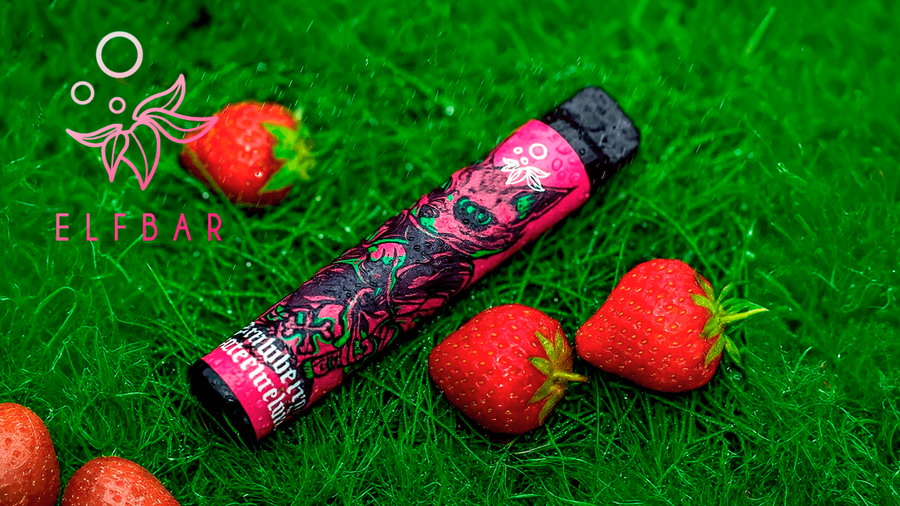
The Rapid Rise of Elf Bar in the UK
Elf Bar entered the international vaping market at a time when many vaping products were becoming increasingly technical.
Traditional vape kits often required consumers to understand coils, wattage settings, e-liquid ratios and battery maintenance. Disposable products removed most of these decisions.
The basic proposition was easy to understand:
- No buttons or complicated settings
- No separate e-liquid bottle
- No coil replacement
- No charging on traditional disposable models
- Compact and lightweight construction
- A wide selection of flavours
- A relatively low initial purchase price
This simplified format reduced the learning curve for adult smokers and vapers who wanted a convenient alternative to more complicated open-system devices.
Convenience as a Competitive Advantage
Early Elf Bar devices were activated by inhaling. Consumers did not need to fill a tank, install a coil or adjust the power output.
This user experience was particularly suitable for:
- Adults trying vaping for the first time
- Existing vapers looking for a backup device
- Consumers who wanted a portable product
- Users who did not want to maintain a traditional vape kit
Convenience was not unique to Elf Bar, but the brand combined it with consistent packaging, extensive flavour choices and strong retail visibility.
A Recognisable Product Design
Elf Bar’s compact bar-shaped devices helped establish a recognisable visual identity. The rounded body, simple mouthpiece and colour-coded exterior made individual products easy to distinguish on retail displays.
Rather than relying only on a small brand logo, the entire device became part of its identity. Consumers could often recognise the product shape and colour before reading its name.
This visual consistency helped Elf Bar stand apart in an increasingly crowded disposable vape category.
How Flavour Segmentation Helped Elf Bar Expand
Another major element of Elf Bar’s growth was its flavour strategy.
Instead of offering only a few traditional options, the brand introduced an extensive range covering fruit, ice, beverage, candy-inspired and menthol profiles.
Popular flavour categories included:
Fruit Flavours
Fruit profiles created a broad and accessible product category. Examples associated with the brand have included combinations based on:
- Mango
- Watermelon
- Blueberry
- Strawberry
- Banana
- Peach
- Grape
- Kiwi
These products allowed retailers to stock familiar single-fruit options alongside more complex mixed-fruit blends.
Ice and Menthol Flavours
Adding a cooling sensation enabled Elf Bar to create multiple variations of similar fruit profiles. A standard fruit flavour and an “ice” version could appeal to different consumer preferences while using recognisable flavour names.
This approach helped expand the product range without requiring every flavour to represent a completely different concept.
Beverage and Sweet Profiles
Lemonade, cola and other beverage-inspired profiles helped the brand reach consumers looking for alternatives to conventional tobacco and menthol flavours.
However, sweet names, colourful packaging and youth appeal have also attracted regulatory and public-health scrutiny across the UK vape industry. Responsible marketing must make clear that vaping products containing nicotine are intended only for adults.
Retail Distribution Made Elf Bar Highly Visible
A strong product alone does not guarantee market leadership. Elf Bar also benefited from extensive distribution.
The products were made available through several important retail channels:
- Specialist vape shops
- Independent convenience stores
- Online vape retailers
- Wholesalers and regional distributors
- Selected supermarkets and larger retailers
This multi-channel strategy made the brand accessible to different types of adult consumers.
Specialist stores could provide advice about flavours and nicotine strengths, while convenience stores supported quick purchases. Online retailers could offer a broader selection and capture searches for specific products or flavours.
Why Availability Matters in the Vape Industry
Vape consumers frequently purchase replacement products. A brand that is widely stocked can become part of a consumer’s regular buying routine.
Retail availability also affects brand trust. When consumers repeatedly see the same product in multiple established stores, the brand may appear more familiar and dependable.
Elf Bar’s distribution network therefore supported both short-term sales and long-term brand recognition.
Dividing the Market Through Multiple Product Categories
Elf Bar’s strategy was not limited to selling one disposable device. The broader brand ecosystem expanded into different vaping formats, allowing it to serve multiple segments of the market.
This category expansion became especially important as the UK moved away from single-use vapes.
Rechargeable Prefilled Pod Systems
Rechargeable pod systems preserve much of the simplicity associated with disposable devices while replacing the single-use battery.
Products such as the ELFA Pro use a rechargeable device with replaceable pods. The user keeps the battery section and changes the pod when the e-liquid is finished.
This type of system offers several familiar features:
- Inhale activation
- Compact design
- No complicated power controls
- Replaceable prefilled pods
- USB Type-C charging
- Mesh-coil technology
- Multiple flavour options
The format gives adult users a relatively simple transition from disposables to a reusable system.
According to the brand’s UK product information, the ELFA Pro is rechargeable and accepts replaceable compatible pods. These characteristics are important under the current reusable-vape requirements. ELFA Pro product information
Refillable Pod Kits
Refillable pod devices target consumers who want more control over e-liquid choice and ongoing costs.
Instead of replacing a prefilled pod every time it becomes empty, the user can refill a compatible pod with bottled e-liquid. Depending on its design, the pod or coil is replaced after its performance declines.
Refillable systems may offer:
- Lower long-term operating costs
- More nicotine-strength choices
- A wider range of e-liquids
- Less battery waste
- Greater flexibility than closed pod systems
They also create new sales opportunities for retailers because consumers may purchase devices, replacement pods, coils and bottled e-liquids.
The Expansion into ELFLIQ E-Liquids
Elf Bar extended its flavour identity into bottled e-liquid through the ELFLIQ range.
This was a strategically important move. Consumers who recognised flavours from earlier devices could move to refillable pod systems without abandoning the brand’s general flavour portfolio.
ELFLIQ products sold in the UK are available in 10ml bottles and include nicotine salt options. The official range includes 10mg/ml and 20mg/ml strengths, while some individual products may also be offered in lower strengths. ELFLIQ product range
Why Branded E-Liquid Matters
A disposable vape is usually a complete product. Once it has been consumed, the user buys another complete device.
A bottled e-liquid range creates a different relationship:
- The consumer purchases a reusable vape kit.
- The same device can be refilled multiple times.
- The consumer returns to purchase more e-liquid.
- Replacement pods or coils are purchased when needed.
This model can improve customer retention while aligning more closely with the reusable direction of the UK market.
Transferring Flavour Recognition
Elf Bar’s earlier growth gave the company a large library of recognisable flavour names. Moving those profiles into bottled e-liquids and replacement pods reduced the uncertainty consumers might otherwise experience when changing device formats.
Instead of selecting an unfamiliar refill liquid, an adult consumer could look for a flavour associated with a brand they already knew.
This illustrates how a strong flavour portfolio can become a transferable brand asset.
Lost Mary and the Broader Brand Ecosystem
Lost Mary also became highly visible in the UK market, particularly through compact devices with distinctive bottle-shaped designs.
Although frequently discussed alongside Elf Bar, Lost Mary developed its own visual identity and product naming. This allowed the broader business ecosystem to appeal to consumers with different design preferences without making every product look identical.
The two identities demonstrated a common market-segmentation strategy:
- Elf Bar built recognition around a clean, bar-style format.
- Lost Mary used a more rounded and visually distinctive design language.
- Each brand developed its own flavour ranges and product families.
- Retailers could stock both brands without presenting them as the same product.
This approach helped occupy more retail display space and gave wholesalers multiple product families to offer their customers.
Any discussion of specific current Lost Mary models should nevertheless be checked against the latest UK regulations and the MHRA product register before publication or sale.
The UK Single-Use Vape Ban Changed the Market
The most important recent development is the UK-wide prohibition on selling and supplying single-use vapes.
The ban came into force on 1 June 2025 and applies to:
- Physical shops
- Online retailers
- Products containing nicotine
- Nicotine-free products
- Wholesalers and other suppliers
Businesses may continue selling reusable vapes that meet the legal definition, but they cannot sell, offer to sell or hold prohibited single-use stock for commercial supply. UK government guidance on the single-use vape ban
What Is Considered a Reusable Vape?
Under current UK guidance, a reusable vape must have:
- A rechargeable battery
- A refillable container, cartridge, capsule, pod or tank
- A replaceable coil where the device contains a coil
A product is not automatically considered reusable just because its battery can be recharged. If its e-liquid container cannot be refilled or replaced as required, it may still fall within the single-use ban.
Why the Ban Matters to Elf Bar
Elf Bar originally became famous in the UK through disposable products. The ban therefore required more than a minor packaging update.
It changed the commercial focus from:
- Single-use devices to rechargeable hardware
- Complete-device replacement to replaceable pods
- Disposable flavour ranges to bottled e-liquids
- Low initial price to longer-term value
- Convenience alone to convenience plus reusability
The brand’s earlier investment in pod kits and e-liquids gave it a foundation for adapting to this transition.
UK Compliance Requirements for Vape Products
Complying with the single-use vape ban is only one part of UK market access.
Nicotine-containing vapes and e-liquids must comply with the Tobacco and Related Products Regulations and relevant MHRA notification requirements.
Key requirements include:
| Compliance area | UK requirement |
|---|---|
| Nicotine strength | Maximum 20mg/ml |
| Vape tank or pod capacity | Maximum 2ml |
| Nicotine refill container | Maximum 10ml |
| Packaging | Child-resistant and tamper-evident |
| Product notification | Relevant products must be notified to the MHRA |
| Labelling | Required warnings and product information |
| Ingredients | Certain ingredients, including colourings, caffeine and taurine, are restricted |
| Single-use devices | Sale and supply prohibited since 1 June 2025 |
The MHRA maintains guidance and a published list of notified e-cigarette products. A product appearing on the notification list does not necessarily confirm compliance with every other applicable law, so importers and retailers must still conduct their own checks. MHRA e-cigarette guidance
Challenges Facing Elf Bar in the UK
Elf Bar’s brand recognition creates opportunities, but it also brings increased scrutiny.
Counterfeit Products
Popular vape brands frequently become targets for counterfeiters. Unauthorised products may contain unverified ingredients, inaccurate nicotine levels or batteries that have not passed appropriate safety testing.
Retailers should source products through traceable supply chains and verify available authentication codes, invoices and distributor information.
Product Compliance
Past popularity does not guarantee that every model can legally be sold in the current UK market.
Retailers should verify:
- MHRA notification status where applicable
- Tank or pod capacity
- Nicotine concentration
- Packaging warnings
- Reusable product design
- Manufacturer and importer details
- Batch traceability
- Electrical and battery documentation
Responsible Adult Marketing
Youth vaping remains a major concern for regulators, parents and public-health organisations.
Vape brands and retailers should avoid:
- Child-oriented characters
- School-related imagery
- Marketing directed at minors
- Unverified health claims
- Social media campaigns without age controls
- Packaging that closely imitates children’s sweets
Marketing should clearly identify nicotine-containing products as intended for adults and include the required warnings.
Environmental Responsibility
Moving from single-use products to rechargeable devices may reduce the number of batteries discarded after one use, but reusable products still create electronic and packaging waste.
Retailers must understand their responsibilities for the collection and recycling of vapes and related electrical components. Consumers should never place vape batteries in ordinary household waste because damaged lithium-ion batteries can create fire risks.
What Other Vape Brands Can Learn from Elf Bar
Elf Bar’s UK growth provides several practical lessons for manufacturers and brand owners.
1. Reduce the Consumer Learning Curve
Products that are easy to understand can reach a broader adult audience. Simple activation, clear compatibility and straightforward packaging reduce purchase hesitation.
2. Build a Recognisable Visual Identity
Consistent colours, shapes and packaging can make a product easier to identify across different retail channels.
3. Treat Flavour as a Product System
A flavour portfolio can extend across prefilled pods, refillable devices and bottled e-liquids. This makes it easier for consumers to move between formats.
4. Use Multiple Distribution Channels
Specialist shops, convenience retailers, wholesalers and e-commerce platforms serve different customer journeys. Broad but controlled distribution can improve visibility.
5. Prepare Before Regulations Change
Brands that rely on a single product category are vulnerable to regulatory disruption. Developing reusable hardware, replacement pods and e-liquid ranges can provide greater resilience.
6. Make Compliance Part of Product Development
UK compliance cannot be added only after production. Tank size, nicotine strength, packaging, device construction and notification requirements should be considered during initial development.
Frequently Asked Questions
Is Elf Bar still legal in the UK?
Elf Bar is a brand, so legality depends on the specific product rather than the name alone. Single-use Elf Bar devices cannot legally be sold or supplied in the UK after 1 June 2025. Reusable products may still be sold if they satisfy all applicable regulations.
Are disposable Elf Bars banned in the UK?
Yes. The UK ban covers all single-use vapes, including nicotine-containing and nicotine-free products. It applies to online and physical retail throughout England, Scotland, Wales and Northern Ireland.
Can rechargeable Elf Bar products be sold in the UK?
Potentially, but being rechargeable alone is not sufficient. A legal reusable vape must also have an appropriate refillable or replaceable e-liquid container and a replaceable coil where required.
What is the maximum legal nicotine strength in the UK?
Nicotine-containing e-liquids sold to consumers in the UK are limited to a maximum nicotine concentration of 20mg/ml.
What is the maximum pod capacity in the UK?
The maximum capacity for a nicotine-containing vape tank, pod or cartridge sold to consumers is generally 2ml under the applicable UK regulations.
What is ELFLIQ?
ELFLIQ is Elf Bar’s bottled nicotine salt e-liquid range. It is designed primarily for compatible refillable pod kits and other suitable low-powered vaping devices.
Is ELFA Pro a disposable vape?
No. ELFA Pro is designed as a rechargeable pod system. Its battery device can be reused with compatible replacement pods. Retailers should still verify the current compliance status of each product and pod before selling it.
How can retailers check whether a vape has been notified?
Retailers can search the MHRA’s published e-cigarette product database. They should match the brand, product name, nicotine strength and notification details rather than relying only on the appearance of the packaging.
Conclusion
Elf Bar did not conquer the UK vape market through a single tactic. Its growth came from combining simple product design, extensive flavour segmentation, recognisable packaging and broad retail distribution.
The strategy allowed the brand to reach different adult consumer groups and expand beyond its original disposable format. Rechargeable pod kits, replaceable pods and ELFLIQ e-liquids created additional product categories under a familiar brand identity.
The UK single-use vape ban has now fundamentally changed the competitive landscape. Elf Bar’s future in the market will depend less on the disposable products that made it famous and more on compliant reusable systems, responsible marketing, product traceability and continued regulatory adaptation.
For other vape manufacturers, the main lesson is clear: rapid product growth can build market share, but long-term success requires a flexible product portfolio and compliance strategy capable of responding to major regulatory change.
Disclaimer: This article is intended for general industry information only and does not constitute legal, medical or regulatory advice. Vape regulations and product notification records may change. Manufacturers, importers and retailers should verify the latest requirements before placing any product on the UK market.