 English
 French
 German
 Italian
 Polish
 Russian
 Spanish
Myanmar Bans Vape Sales, Imports, Possession and Use
Myanmar has introduced a nationwide prohibition on vaping products that covers far more than commercial sales.
Under Ministry of Health Order No. 8/2026, the country has banned the import, export, sale, possession, storage, transport, distribution, use and consumption of electronic cigarettes and related products.
The prohibition also covers electronic shisha, heated smoking devices and associated accessories.
The order was issued on February 18, 2026, with Cabinet authorization and was publicly reported by the Ministry of Health on February 20.
Myanmar’s action is therefore not merely a retail sales restriction. Individuals can also face legal consequences for carrying, possessing or using a vape, including one brought into the country for personal use.
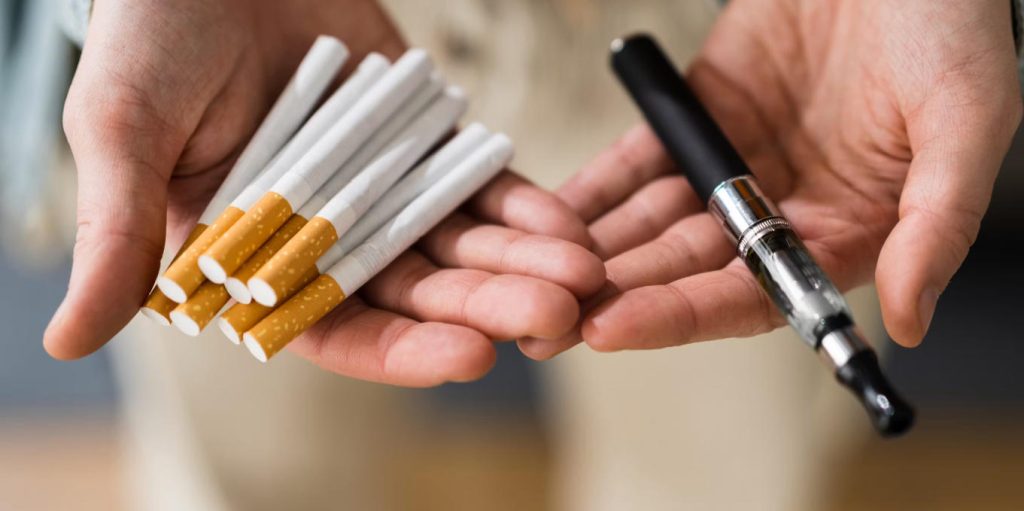
Quick Answer: Are Vapes Legal in Myanmar?
No. Myanmar prohibits the importation, exportation, sale, possession, storage, carrying, distribution, use and consumption of e-cigarettes, electronic shisha, heated smoking devices and related accessories. Travellers should not bring vaping products into the country.
When Did Myanmar Ban Vaping?
Myanmar’s Ministry of Health issued Order No. 8/2026 on February 18, 2026.
The measure was announced publicly on February 20 after receiving Cabinet authorization.
According to the order, the ban took effect under powers provided by the Essential Supplies and Services Law.
Before this measure, Myanmar did not have the same clearly defined, comprehensive national prohibition covering every stage of the vape supply chain. Authorities had reportedly seized imported vaping products in some cases, but the legal status was less explicit.
Order No. 8/2026 creates a direct legal basis for enforcement against commercial operators and individual users.
What Products Does the Ban Cover?
The prohibition applies broadly to electronic smoking and nicotine-delivery products.
Covered categories include:
- Disposable vapes
- Rechargeable vapes
- Refillable electronic cigarettes
- Closed-pod systems
- Open-system devices
- E-liquids
- Pre-filled vape pods
- Replacement cartridges
- Vape accessories
- Electronic shisha
- Heated smoking devices
- Associated components
The order’s reference to accessories means that carrying hardware without e-liquid may not avoid the prohibition.
A traveller should not assume that an empty device, replacement pod or battery-only product is permitted.
Which Activities Are Prohibited?
Myanmar’s order prohibits activities across the entire product lifecycle.
| Activity | Status |
|---|---|
| Importing vapes | Prohibited |
| Exporting vapes | Prohibited |
| Selling vapes | Prohibited |
| Possessing vapes | Prohibited |
| Storing vapes | Prohibited |
| Carrying or transporting vapes | Prohibited |
| Distributing vapes | Prohibited |
| Using vapes | Prohibited |
| Consuming vape products | Prohibited |
| Online vape sales | Prohibited |
| Personal-use imports | Prohibited |
The broad wording is important. A person does not have to operate a shop or import a commercial shipment to fall within the scope of the ban.
What Law Is Being Used?
The prohibition is enforced through Myanmar’s Essential Supplies and Services Law.
The Ministry of Health issued the order using authority provided under the law, including Section 4(a), in accordance with Section 9.
The Essential Supplies and Services Law allows authorities to control or prohibit specified goods and activities where the government considers action necessary for public welfare.
By using this framework, the government can take action against:
- Importers
- Exporters
- Wholesalers
- Retailers
- Online sellers
- Warehouse operators
- Transporters
- Individual users
- People carrying products for personal use
The order gives customs and enforcement authorities a clearer legal basis to seize prohibited products at airports, ports and land borders.
Does the Ban Apply to Personal Possession?
Yes.
Personal possession is expressly included in the prohibition.
This means that a vape purchased legally in another country can still be illegal once carried into Myanmar.
The personal-use purpose does not create an automatic exemption. The ban can cover:
- A single vape in hand luggage
- A device carried in a pocket
- An empty refillable device
- Vape pods
- A bottle of e-liquid
- A heated-tobacco device
- Electronic shisha equipment
- Accessories packed separately
Travellers should leave all vaping products outside Myanmar.
Can Tourists Bring Vapes Into Myanmar?
No. Tourists should not bring vape devices, pods, cartridges, e-liquids or related accessories into Myanmar.
The import and possession restrictions apply regardless of whether the product is intended for sale or personal use.
Travellers could encounter enforcement at:
- International airports
- Land-border crossings
- Seaports
- Customs inspections
- Police checkpoints
- Hotels
- Public places
Myanmar’s current security situation also increases the practical risks associated with violating local law.
The U.S. Department of State advises against all travel to Myanmar because of armed conflict, unrest, crime, poor health infrastructure and arbitrary enforcement of local laws. U.S. travel advisory for Myanmar
Can a Vape Be Packed in Checked Baggage?
No.
Putting a vape in checked baggage does not avoid Myanmar’s import prohibition. It may also violate airline safety rules concerning lithium-ion batteries.
Airline rules and national customs laws are separate:
- An airline may require electronic cigarettes to be carried in cabin baggage.
- Myanmar law prohibits bringing the product into the country.
- Following the airline’s battery rule does not make the product legal at the destination.
The safest option is not to travel to Myanmar with any vape-related product.
Are Nicotine-Free Vapes Exempt?
No clear nicotine-free exemption has been identified in the published scope of the order.
The prohibition is directed at electronic cigarettes, electronic shisha, heated smoking devices and related accessories—not only at nicotine-containing e-liquids.
A product may therefore remain prohibited even if it:
- Contains zero nicotine
- Uses herbal liquid
- Is marketed as aromatherapy
- Has an empty tank
- Does not include a pod
- Has never been used
Travellers and businesses should not rely on a “nicotine-free” label to claim an exemption.
Does the Ban Include Heated-Tobacco Products?
Reports concerning Order No. 8/2026 indicate that heated smoking devices are included alongside e-cigarettes and electronic shisha.
Heated-tobacco products differ technically from conventional vapes. They heat processed tobacco rather than ordinary e-liquid.
However, Myanmar’s policy groups these products within its broader prohibition on recreational electronic smoking devices.
Businesses should therefore treat products such as heated-tobacco devices and their consumables as prohibited unless official Myanmar authorities provide a specific exemption.
Why Did Myanmar Introduce the Ban?
The Ministry of Health cited public-health concerns and increasing youth use.
Government officials expressed concern about:
- Nicotine dependence
- Youth experimentation
- Lung exposure
- Heart and respiratory effects
- Heavy metals
- Other toxic substances
- Colorful devices
- Flavored products
- Online availability
Kyaw Kan Kaung, deputy director general of Myanmar’s Department of Public Health, said electronic cigarettes had become increasingly popular among young people.
Officials also rejected the idea that vaping should be considered harmless.
Are Vapes as Harmful as Cigarettes?
Statements that vaping and smoking are equally dangerous should be treated carefully.
Neither product is risk-free. Most vapes contain addictive nicotine, and their aerosols can expose users to potentially harmful substances.
However, cigarettes burn tobacco. Combustion produces tar, carbon monoxide and numerous toxic chemicals associated with cancer, cardiovascular disease and respiratory disease.
Conventional e-cigarettes heat a liquid rather than burn tobacco. This creates a different toxicant profile.
The relative risk may vary according to:
- Product quality
- Ingredients
- Nicotine concentration
- Device power
- User behaviour
- Frequency of use
- Whether the person continues smoking
- Product regulation
Myanmar’s legal prohibition applies regardless of the international debate about relative risk. A product perceived as less harmful than cigarettes can still be illegal to import, possess or use in the country.
Are Cigarettes Still Legal in Myanmar?
Traditional cigarettes remain legally available, subject to Myanmar’s tobacco-control and retail rules.
The new order specifically targets electronic cigarettes, electronic shisha, heated smoking devices and related products.
This creates a regulatory difference between combustible tobacco and newer electronic nicotine products.
Public-health supporters of the ban argue that it prevents a new generation from developing nicotine dependence.
Critics may question whether prohibiting noncombustible alternatives while cigarettes remain available limits options for adult smokers.
Regardless of that policy debate, the legal position is clear: vaping products are prohibited.
What Does the Ban Mean for Importers?
Importers should immediately exclude vape products and covered accessories from shipments entering Myanmar.
High-risk product descriptions include:
- Electronic cigarette
- Vape pen
- Pod system
- Disposable vape
- E-liquid
- Nicotine liquid
- Electronic shisha
- Heated smoking device
- Vape cartridge
- Atomizer
- Vape coil
- Replacement pod
Mislabeling goods does not make them legal and could create additional customs or fraud risks.
Importers should review:
- Product classifications
- Commercial invoices
- Packing lists
- Customs declarations
- Freight-forwarder instructions
- Marketplace listings
- Warehouse inventory
- Cross-border fulfilment arrangements
What Does the Ban Mean for Retailers?
Both physical and online sales are prohibited.
Retailers should not:
- Display vape products
- Advertise vapes
- Accept orders
- Store products for later sale
- Deliver products to customers
- Sell through social media
- Offer accessories separately
- Provide products free of charge
- Use indirect payment or delivery arrangements
Because storage and distribution are also prohibited, removing products from a shop display without removing them from inventory may not be sufficient.
What Does the Ban Mean for Manufacturers?
International manufacturers should not treat Myanmar as an open destination market.
They should prevent:
- Direct shipment into Myanmar
- Sales to importers intending to supply Myanmar
- Cross-border online delivery
- Unauthorized distributor diversion
- Myanmar-targeted advertising
- Local warehousing
- Product registration claims suggesting legality
Distribution agreements may need territorial controls requiring partners not to resell products into Myanmar.
What Penalties Apply?
Available public reports state that violations can lead to legal action under Myanmar’s existing laws.
The published summaries do not provide a simple penalty table covering every possible offense. Consequences may depend on:
- The type of activity
- Quantity of products
- Commercial or personal purpose
- Import or customs violations
- Repeated offending
- Other applicable laws
- The enforcing authority
Businesses and travellers should not assume that possession will result only in confiscation.
Myanmar is also associated with arbitrary enforcement of local laws, making it particularly risky to rely on informal advice or inconsistent past practice.
Myanmar’s Position in Southeast Asia
Myanmar became the eighth Southeast Asian country reported to have prohibited electronic cigarettes and related products.
According to the Southeast Asia Tobacco Control Alliance, the regional countries with vape prohibitions include:
- Brunei
- Cambodia
- Laos
- Myanmar
- Singapore
- Thailand
- Timor-Leste
- Vietnam
Indonesia, Malaysia and the Philippines have regulated legal vape markets rather than complete national bans, although policies continue to develop.
SEATCA’s regional announcement describes Myanmar as the region’s eighth country to adopt a prohibition.
Do All Southeast Asian Vape Bans Work the Same Way?
No.
The word “ban” can refer to different legal restrictions.
A country may prohibit:
- Commercial imports
- Domestic manufacturing
- Retail sales
- Online sales
- Advertising
- Public use
- Personal possession
- Personal imports
- All of the above
For example, some countries primarily prohibit commercial sale, while countries such as Singapore, Thailand and Myanmar also restrict individual possession or use.
Travellers must check the exact national law rather than relying on a regional “banned countries” list.
Southeast Asia Vape Policy Comparison
| Country | General approach |
|---|---|
| Myanmar | Import, export, sale, possession, storage, transport and use prohibited |
| Singapore | Import, sale, possession and use prohibited |
| Thailand | Import and sale prohibited; possession and use can create enforcement risks |
| Cambodia | Electronic cigarettes prohibited |
| Laos | Electronic cigarettes prohibited |
| Vietnam | Production, trade, import, storage, transport and use prohibited |
| Brunei | Sale and import restrictions; individual rules differ from Myanmar |
| Timor-Leste | Vape sales prohibited |
| Indonesia | Regulated and taxed legal market |
| Malaysia | Regulated market, with further restrictions under consideration |
| Philippines | Regulated legal market |
Because these laws can change, businesses and travellers should verify current government guidance before each trip or shipment.
What Should Current Vape Users in Myanmar Do?
People affected by the ban should not illegally store or dispose of lithium-battery devices in household waste.
Vapes may contain:
- Lithium-ion batteries
- Residual nicotine
- Electronic components
- Plastic
- Metal
- Contaminated pods
Throwing devices into ordinary rubbish can create fire and poisoning risks.
Users should seek official local instructions concerning surrender, disposal or electronic-waste collection. Informal resale or transfer to another person may fall within the ban on distribution.
Frequently Asked Questions
When did Myanmar ban vapes?
The Ministry of Health issued Order No. 8/2026 on February 18, 2026. The prohibition was publicly announced on February 20.
Is selling vapes illegal in Myanmar?
Yes. Retail, online and wholesale vape sales are prohibited.
Is personal vape possession illegal?
Yes. The order expressly includes possession and carrying.
Can tourists bring one vape for personal use?
No. The importation and possession bans do not provide a clear personal-use exemption.
Are e-liquids prohibited?
Yes. E-liquids and vape-related consumables should be treated as covered products.
Are electronic shisha products banned?
Yes. Electronic shisha is expressly included.
Are heated-tobacco devices banned?
Reports on Order No. 8/2026 state that heated smoking devices are covered.
Can a nicotine-free vape be brought into Myanmar?
No clear exemption exists for nicotine-free devices. The ban covers electronic smoking devices and related accessories broadly.
Can vapes be exported from Myanmar?
No. Exportation is among the prohibited activities.
Are cigarettes also banned?
No. Conventional cigarettes remain legally available subject to tobacco-control laws.
What happens if customs finds a vape?
The product may be seized, and the traveller may face additional legal action under applicable Myanmar laws.
Are vapes legal elsewhere in Southeast Asia?
The laws vary. Indonesia, Malaysia and the Philippines maintain regulated markets, while several other regional countries impose partial or comprehensive prohibitions.
Final Conclusion
Myanmar now has one of Southeast Asia’s broadest vaping prohibitions.
Order No. 8/2026 goes beyond banning retail sales. It covers importation, exportation, possession, storage, carrying, distribution, use and consumption of e-cigarettes, electronic shisha, heated smoking devices and related accessories.
The rule applies to commercial operators and individual users. Tourists should not bring vape devices, pods, e-liquids or accessories into the country, even when intended solely for personal use.
Importers, manufacturers and distributors should remove Myanmar from vape sales and shipping programmes and introduce controls designed to prevent cross-border diversion.
The safest interpretation is simple: do not sell, ship, carry, store or use vaping products in Myanmar.
Legal disclaimer: This article provides general regulatory and travel information and does not constitute legal advice. Enforcement practices and product definitions may change. Consult official Myanmar authorities or qualified counsel for specific compliance questions.