 English
 French
 German
 Italian
 Polish
 Russian
 Spanish
Quick answer: “Vape devices” is a broad commercial category covering disposable products, rechargeable pod systems, refillable devices and advanced tank-based hardware. For European wholesalers, distributors and importers, choosing a product is only one part of the decision: buyers must also verify the exact device configuration, quality controls, supply continuity and the rules that apply in each destination country.
This guide explains the main vape-device formats and provides a practical B2B framework for evaluating suppliers and preparing products for the European market. It is written for trade buyers and is not a substitute for product-specific legal advice.
What Are Vape Devices?
Vape devices are electronic products designed to heat a liquid or other compatible material to create an aerosol for inhalation. A typical e-cigarette system may include a power source, heating element, liquid reservoir or pod, airflow path and mouthpiece. The design, replaceability of components and intended use determine how a device should be described commercially and assessed for regulatory purposes.
For procurement, avoid relying on broad labels alone. Ask suppliers to identify whether the battery is rechargeable, whether the liquid container is refillable or replaceable, whether the coil is replaceable, and whether the device is intended for single use or repeated use.
Main Types of Vape Devices
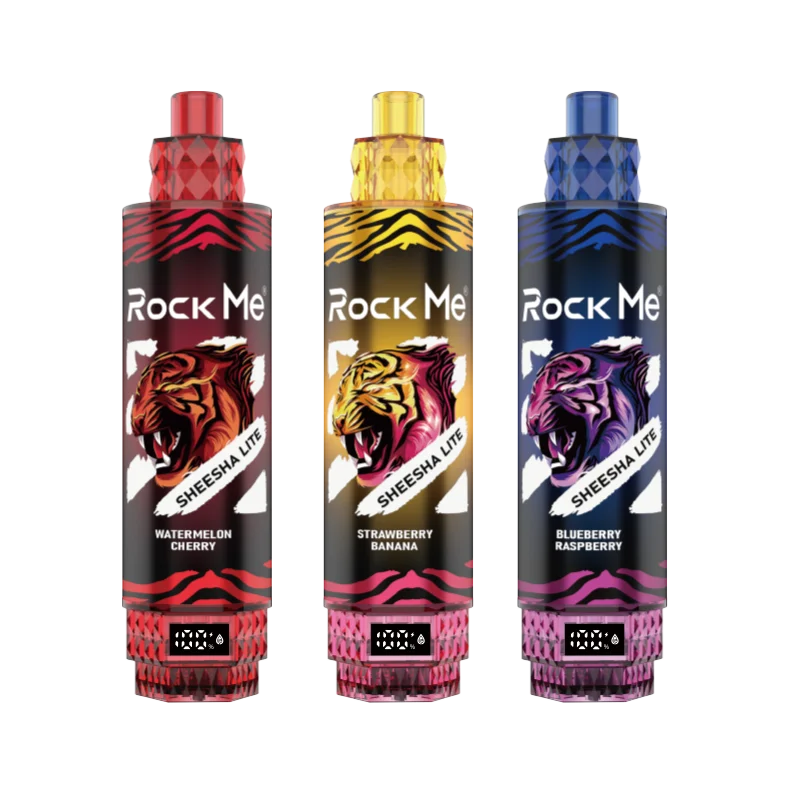
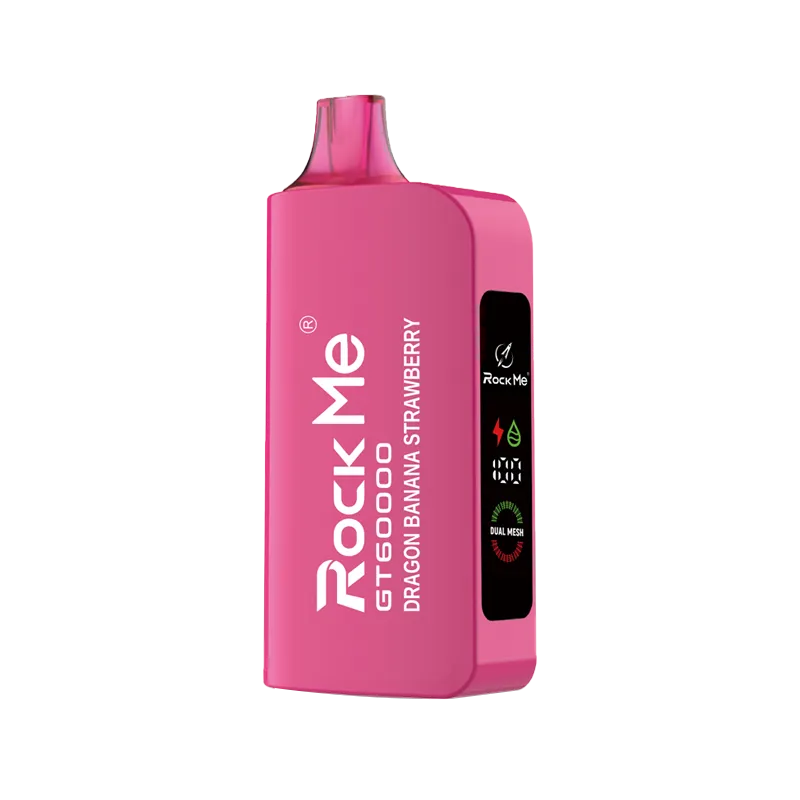
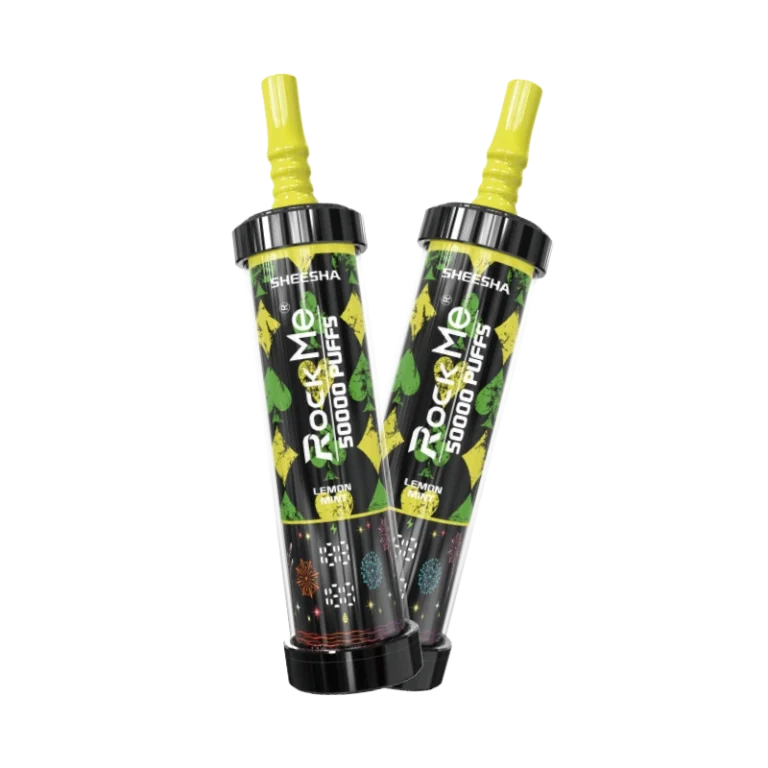
1. Disposable vape devices
Disposable devices are generally supplied as prefilled units intended to be discarded when the liquid or battery is depleted. Their simple format may appear straightforward to source, but European buyers must pay particular attention to national restrictions. A device with a rechargeable battery is not automatically reusable: the liquid reservoir and the manufacturer’s intended product life also matter.
2. Pod systems
Pod systems use a compact power unit with a pod that may be prefilled, refillable or replaceable. Buyers should confirm pod compatibility, filling method, seal design, coil configuration, replacement availability and whether the device and pod are sold as a matched system.
3. Refillable vape devices
Refillable devices are designed to be replenished with compatible e-liquid. Procurement checks should cover the filling mechanism, leak resistance, tank or pod capacity, material compatibility, cleaning instructions and availability of replacement pods or coils. Where nicotine-containing liquids are involved, the applicable EU and national requirements must be checked for the complete configuration.
4. Tank-based and advanced devices
Tank-based devices may offer replaceable coils, adjustable output or other user settings. These features can increase the number of components and compatibility questions that a distributor must manage. Request clear compatibility charts, component identifiers and instructions for use rather than assuming that visually similar parts are interchangeable.
How B2B Buyers Should Compare Vape Devices
| Evaluation area | Questions to ask the supplier |
|---|---|
| Product identity | What is the exact model, intended use, device type and SKU configuration? |
| Battery | What cell is used, what is its rated capacity, and what charging and transport documentation is available? |
| Pod or tank | Is it refillable, replaceable or sealed? What is its capacity and compatibility range? |
| Heating system | What coil or mesh configuration is used, and how are component changes controlled? |
| Leak and fit checks | What inspection method is used for seals, joints, filling and pod seating? |
| Consistency | Can the supplier provide batch records, inspection criteria and corrective-action examples? |
| Documentation | Are product notifications, labels, warnings, instructions and market-specific records available? |
| Supply continuity | Are replacement pods, coils and other critical components available for the planned sales period? |
Quality-Control Checks Before Placing an Order
A professional supplier assessment should examine more than a sample unit. Request a written specification and confirm that the production sample, approved artwork and bulk-production configuration match. Ask how incoming components are inspected, how assembly defects are recorded, how finished units are sampled, and how complaints or non-conforming batches are investigated.
- Specification control: confirm model numbers, materials, dimensions, battery details and compatible consumables.
- Functional inspection: review charging, activation, airflow, pod fit and other functions relevant to the device design.
- Leak and sealing checks: ask for documented procedures and acceptance criteria appropriate to the product.
- Traceability: confirm batch identification and the supplier’s process for retaining production and inspection records.
- Change management: require advance notice and review when a component, material, factory process or product configuration changes.
For a more detailed supplier audit framework, see How to Evaluate Vape Manufacturer Quality Control.
European Vape Device Compliance: What Importers Must Verify
For e-cigarettes sold as consumer products in the EU, Article 20 of the Tobacco Products Directive (2014/40/EU) establishes requirements covering product notification, safety and quality, packaging and labelling. The European Commission explains that manufacturers and importers must notify products they intend to place on the EU market through the EU-CEG system. The notification is generally required six months before the intended placing on the market, and substantial product modifications may require a new notification.
For nicotine-containing e-cigarettes and refill containers within the scope of Article 20, the Directive sets a maximum nicotine concentration of 20 mg/ml, a maximum 2 ml capacity for cartridges or tanks, and a maximum 10 ml capacity for refill containers. It also addresses child-resistant and tamper-evident packaging, refill mechanisms, ingredient purity, consistent nicotine delivery, health warnings, ingredient and nicotine information, and package leaflets. Check the legal text and the product’s classification before applying these limits to a specific SKU.
EU-wide rules are not the whole compliance picture. Under Article 24(3), Member States may notify certain national prohibitions where the conditions in the Directive are met. The European Commission’s current notification page records 2026 decisions concerning national measures in Bulgaria, Ireland, Austria, Spain and Poland, among others. The precise scope and effective date must be checked in the relevant national law and Commission decision; do not assume every measure has identical coverage.
Before accepting an order, the importer should therefore verify the destination country, product classification, nicotine status, single-use or reusable design, notification status, labels, packaging, language requirements and any additional national restrictions. A compliance file for one country or one SKU should not be treated as automatic clearance for another.
Official references: European Commission – Electronic cigarettes; European Commission – Article 24(3) notifications; EUR-Lex – consolidated Tobacco Products Directive.
Questions to Ask a Vape Device Manufacturer
- Can you provide a complete technical specification for each proposed SKU?
- Which components are replaceable, refillable or compatible with other models?
- What quality checks are performed during assembly and before shipment?
- How are battery and transport-related documents supplied and kept current?
- Can you provide the documentation needed for the target EU country and product configuration?
- How are production changes, batch traceability and post-sale quality issues managed?
- What is the lead time and continuity plan for replacement pods, coils and other parts?
Choosing a Vape Device Supplier for the European Market
The right supplier is not necessarily the one offering the widest catalogue or the lowest quoted unit price. Buyers should compare specification transparency, quality records, component continuity, communication, documentation readiness and the supplier’s ability to support the exact product configuration being considered. For OEM or ODM projects, clarify which party is responsible for product design, testing, notifications, packaging artwork and market-specific documentation.
Explore ROCKMEVAPE OEM/ODM manufacturing services when assessing private-label or custom development requirements. You may also find the European vape compliance requirements guide and European vape import pre-shipment checklist useful for planning the next stage of procurement.
Frequently Asked Questions
What are the main types of vape devices?
Common categories include disposable devices, pod systems, refillable devices and tank-based devices. The precise classification depends on the product’s design, intended use and replaceable or refillable components.
Are all vape devices legal in every European country?
No. EU rules provide a common framework, but Member States can apply additional national restrictions. Importers should check the current rules in every destination market before placing a product on sale.
What should wholesalers check before buying vape devices?
Check the exact SKU specification, battery and pod configuration, quality-control records, traceability, replacement-part availability, product notifications, packaging and destination-country requirements.
Does a rechargeable vape count as reusable?
Not necessarily. Rechargeability alone does not establish that a device is reusable. Buyers should examine whether the liquid container or other essential components can be refilled or replaced and how the manufacturer defines the intended product life.
What EU limits apply to nicotine e-cigarettes?
For products within Article 20 of the Tobacco Products Directive, the maximum nicotine concentration is 20 mg/ml, cartridges or tanks are limited to 2 ml, and refill containers are limited to 10 ml. Confirm the product’s scope and applicable national rules before relying on these limits.
What documents should an importer request?
Depending on the product and market, request technical specifications, EU-CEG notification evidence, compliant labels and instructions, relevant test and quality records, battery and transport documents, and any additional national-market documentation.
Final Checklist for B2B Buyers
Before confirming a purchase, make sure the product identity is clear, the technical specification is approved, quality controls are documented, the supply of compatible components is understood, and the compliance status has been checked for the exact destination country and SKU. This disciplined approach helps wholesalers, distributors and importers compare suppliers on evidence rather than broad marketing claims.
For trade enquiries: Contact ROCKMEVAPE to discuss product specifications, OEM/ODM requirements and the documentation available for your intended market. Final market access decisions should be based on current product-specific and country-specific verification.