
 English
 French
 German
 Italian
 Polish
 Russian
 Spanish
ROCKME SHEESHA LITE 50K Disposable Vape – 50,000 Puffs with RGB LED & Digital Screen
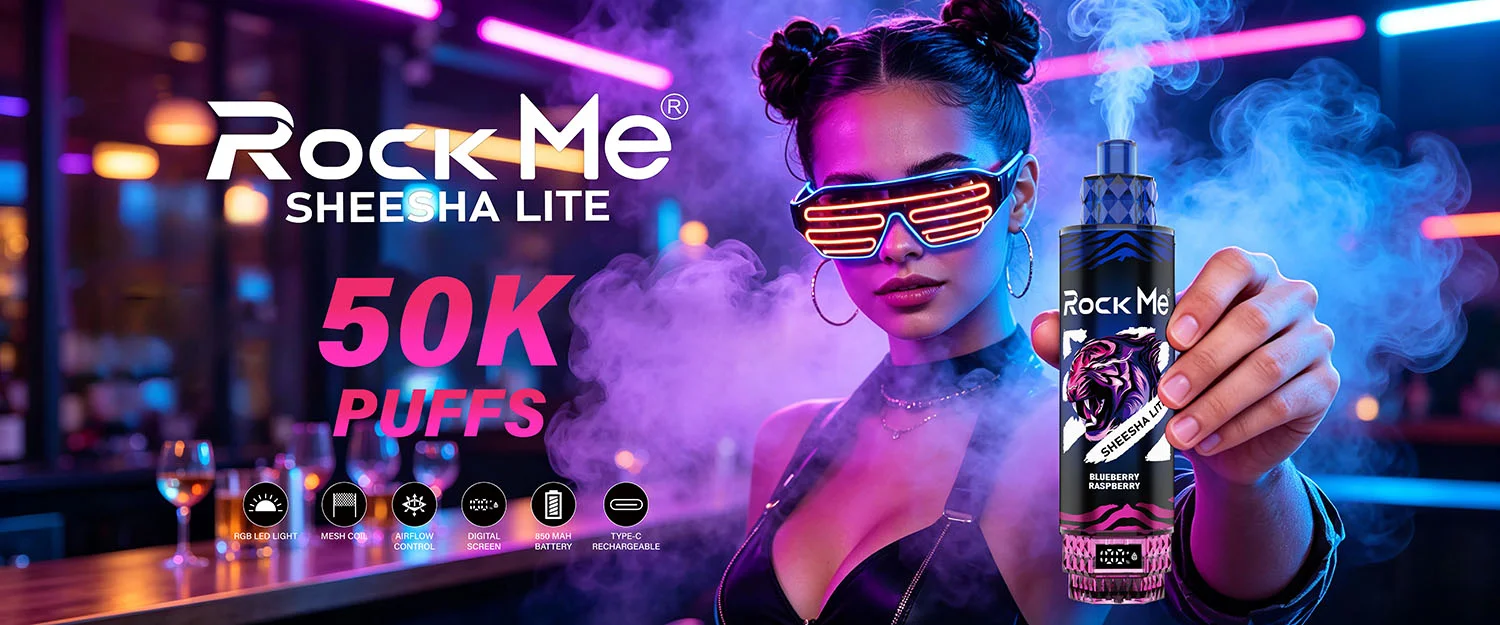
ROCKME SHEESHA LITE 50K Disposable Vape – 50,000 Puffs with RGB LED & Digital Screen ROCKME SHEESHA LITE 50K is a new-generation disposable vape designed to bring a modern hookah-inspired experience into a compact and stylish device. Combining up to 50,000 puffs, a vibrant RGB LED light, digital screen, mesh coil, adjustable airflow, and a rechargeable 850mAh battery, SHEESHA LITE is built for users looking for long-lasting performance and an eye-catching design. With 15 flavor options, the SHEESHA LITE 50K offers a wide selection of fruit, ice, tropical, and refreshing flavor profiles, making it suitable for different market preferences. Key Features of ROCKME SHEESHA LITE Up to 50,000 Puffs ROCKME SHEESHA LITE is designed for extended use, offering up to 50,000 puffs. Its high-puff design makes it an attractive option for users who prefer a longer-lasting disposable vape format. Mesh Coil Technology The device features a mesh coil designed to provide a smooth and consistent vaping experience. Mesh coil technology can help deliver more even heating and support rich flavor production. RGB LED Light The built-in RGB LED lighting adds a dynamic visual element to the device. The colorful lighting effect gives SHEESHA LITE a distinctive appearance and helps it stand out on retail shelves. Digital Screen A digital screen provides a convenient way to view device information. Combined with the modern exterior design, the screen gives SHEESHA LITE a more advanced and premium appearance. Adjustable Airflow With airflow control, users can adjust the airflow according to their preferred draw. This feature adds flexibility compared with basic disposable vape designs. 850mAh Rechargeable Battery ROCKME SHEESHA LITE is equipped with an 850mAh rechargeable battery. The rechargeable design helps support the device’s high-puff capacity. Type-C Rechargeable The device uses a Type-C charging port, providing a convenient and widely adopted charging solution. 15 Flavor Options ROCKME SHEESHA LITE 50K comes with 15 different flavors, covering refreshing, fruity, icy, and tropical profiles: Lemon Mint – A refreshing combination of zesty lemon and cool mint. Lush Ice – A fruity profile with a refreshing icy finish. Strawberry Ice – Sweet strawberry balanced with a cool sensation. Strawberry Watermelon – A combination of juicy strawberry and refreshing watermelon. Pina Colada – A tropical-inspired pineapple and coconut flavor. Strawberry Kiwi – Sweet strawberry combined with tangy kiwi. Melon Ice – Melon flavor with a refreshing icy finish. Cola Ice – Classic cola flavor with a cool twist. Strawberry Banana – A smooth combination of strawberry and banana. Raspberry Watermelon – Sweet raspberry blended with juicy watermelon. Melon Banana Pineapple – A tropical fruit combination featuring melon, banana, and pineapple. Love 66 – A distinctive fruit-forward flavor option. Watermelon Cherry – Juicy watermelon paired with sweet cherry. Watermelon Lime – Refreshing watermelon with a zesty lime note. Blueberry Raspberry – A berry combination featuring blueberry and raspberry. Modern Hookah-Inspired Design The SHEESHA LITE name and visual design are inspired by the contemporary hookah aesthetic. The device features a distinctive cylindrical body, bold graphic elements, vibrant colors, and a digital display. Its combination of hookah-inspired styling and modern disposable vape technology makes ROCKME SHEESHA LITE a visually distinctive product for both consumers and vape retailers. Why Choose ROCKME SHEESHA LITE ? For distributors, wholesalers, and vape retailers, SHEESHA LITE offers several selling points: Up to 50,000 puffs 850mAh rechargeable battery Type-C rechargeable Mesh coil Adjustable airflow Digital screen RGB LED lighting 15 flavor choices Modern hookah-inspired design Multiple fruit, ice, and tropical flavor profiles The combination of a high puff count, rechargeable design, visual features, and diverse flavors makes SHEESHA LITE a strong option for retailers looking to expand their disposable vape range. ROCKME SHEESHA LITE 50K for Wholesale ROCKME SHEESHA LITE 50K is suitable for vape wholesalers, distributors, retailers, and international vape markets looking for a high-capacity disposable vape with differentiated product design. Its 15-flavor lineup allows buyers to build a diverse product selection, while features such as RGB lighting, a digital screen, airflow control, and Type-C charging help differentiate the product from more basic disposable vape devices. Product Specifications Feature ROCKME SHEESHA LITE 50K Puff Capacity Up to 50,000 Puffs Battery 850mAh Charging Type-C Rechargeable Coil Mesh Coil Airflow Adjustable Airflow Display Digital Screen Lighting RGB LED Light Flavors 15 Options Nicotine warning: This product contains nicotine. Nicotine is an addictive chemical. Availability, nicotine strength, labeling, and sale requirements vary by market and should comply with applicable local regulations. Short Product Description ROCKME SHEESHA LITE 50K combines up to 50,000 puffs, mesh coil technology, adjustable airflow, an 850mAh rechargeable battery, Type-C charging, RGB LED lighting, and a digital screen in a modern hookah-inspired design. Available in 15 fruit, ice, and tropical flavors, SHEESHA LITE delivers a distinctive product concept for vape wholesalers, distributors, and retailers.
China Disposable Vape Manufacturers vs Other Countries: Which Supplier Is Better in 2026?

China Disposable Vape Manufacturers vs Other Countries: Which Supplier Is Better? Choosing the right disposable vape manufacturer is a critical decision for wholesalers, distributors, and private-label brands. As the global vaping industry continues to expand, businesses have more supplier options than ever before. While vape manufacturers exist in many regions, China remains the largest production hub for disposable vape products. However, some buyers also consider suppliers from Europe, the United States, and other regions. So, which option is better? This article compares China disposable vape manufacturers with manufacturers from other countries based on production capacity, cost, technology, customization, quality control, and supply chain advantages. The Global Vape Manufacturing Landscape The vaping industry has developed into a global supply chain involving product design, hardware production, e-liquid development, packaging, and distribution. Different regions have different strengths: China: Large-scale manufacturing, OEM/ODM services, complete supply chain. United States: Strong brand development and technology innovation. Europe: Strict compliance standards and regulated markets. Other regions: Growing local production capabilities. For most international brands and wholesalers, selecting the right manufacturing partner depends on business goals, market requirements, and product strategy. Why China Is the Leading Disposable Vape Manufacturing Hub China has become the world’s largest center for vape manufacturing due to decades of electronics production experience and a mature supply chain ecosystem. Major advantages include: Large-scale production capacity Advanced manufacturing technology Experienced engineering teams Competitive pricing Flexible OEM services Fast product development Many global vape brands work with Chinese factories because they can provide complete solutions from product design to mass production. 1. Production Capacity Comparison China Disposable Vape Manufacturers Chinese factories typically operate: Multiple production lines Automated assembly systems Large-scale filling facilities Professional testing departments This allows manufacturers to handle: Small trial orders Medium wholesale orders Large international projects High production capacity is especially important for brands experiencing rapid growth. Manufacturers in Other Countries Manufacturers outside China may have smaller production facilities due to: Higher labor costs Limited supply chains Less manufacturing infrastructure While some overseas manufacturers offer excellent quality, their production capacity may not match large Chinese factories. 2. Manufacturing Cost Advantages Cost is one of the biggest factors for wholesalers and distributors. China Manufacturers China offers competitive manufacturing costs because of: Efficient supply chains Local component suppliers Large-scale production Experienced workers Lower production costs allow brands to maintain better profit margins while offering competitive retail prices. Other Countries Manufacturing in regions with higher labor and operating costs often results in: Higher product prices Higher minimum order costs Longer development expenses For businesses focused on wholesale distribution, China often provides a stronger cost advantage. 3. OEM and Customization Capabilities Product differentiation is essential in today’s vape market. A professional OEM vape manufacturer should provide flexible customization options. China Disposable Vape Manufacturers Chinese factories usually offer extensive OEM services, including: Custom device designs Logo printing Packaging development Flavor customization Battery options Screen designs Coil technology selection Because of their experience serving global brands, Chinese manufacturers are highly experienced in private-label projects. Other Countries Some international manufacturers provide customization services, but options may be more limited due to smaller production capabilities. 4. Technology and Product Innovation The disposable vape market changes quickly, with new technologies introduced regularly. Modern devices now include: Smart displays Adjustable airflow Mesh coil systems Rechargeable batteries E-liquid indicators Advanced designs China Manufacturers Chinese vape factories often have dedicated R&D teams focused on: Hardware development New product designs Production improvements Consumer trend research Their close connection with electronic component suppliers allows faster innovation. 5. Quality Control Comparison A common misconception is that lower manufacturing costs mean lower quality. In reality, quality depends on the factory’s management system, not only its location. Professional disposable vape manufacturers use: Incoming material inspection Production monitoring Battery testing Leakage testing Final product inspection Many Chinese factories now operate advanced quality management systems to meet international market requirements. When choosing a supplier, buyers should evaluate the factory itself rather than judging only by country. 6. Compliance and International Market Support Global vape regulations continue to become stricter. A reliable manufacturer should understand requirements for different markets, including: European regulations UK requirements US market documentation Battery transportation standards Experienced Chinese manufacturers often support international clients with: Product testing reports Compliance documents Packaging requirements Technical files This makes market entry easier for overseas brands. 7. Supply Chain Efficiency One of China’s biggest advantages is its complete vape supply chain. A disposable vape product involves many components: Batteries PCBs Coils Plastic parts Packaging materials E-liquid ingredients In China, most suppliers are located within the same industrial regions, which helps: Reduce production time Lower costs Improve communication Speed up product development This integrated supply chain is difficult to replicate in many other countries. When Should You Choose a Manufacturer Outside China? Although China offers many advantages, some businesses may prefer local manufacturing. You may consider other countries if you need: Local production requirements Faster domestic shipping Regional manufacturing certifications Specific market positioning The best choice depends on your business model and target customers. How to Choose the Right Disposable Vape Manufacturer Regardless of location, evaluate manufacturers based on: Experience Years in the industry Export markets Previous projects Quality Control Testing procedures Production standards Certification support Product Development R&D capability Innovation speed Customization options Communication Response time Technical support Project management Reliability Production capacity Delivery performance Long-term cooperation ability The right partner should provide value beyond manufacturing. Conclusion China disposable vape manufacturers continue to dominate the global market because of their strong production capabilities, advanced technology, competitive pricing, and comprehensive OEM services. However, the best supplier is not always determined by location alone. Businesses should focus on manufacturing experience, quality systems, customization capabilities, compliance support, and long-term partnership potential. For wholesalers, distributors, and private-label brands looking to scale globally, working with an experienced disposable vape manufacturer can provide the production strength and flexibility needed to compete in today’s market. At Luckee Vape, we provide OEM and ODM disposable vape manufacturing solutions for global partners, combining advanced production technology, strict quality control, and customized product
OEM Disposable Vape Manufacturer: Why More Brands Choose OEM Solutions
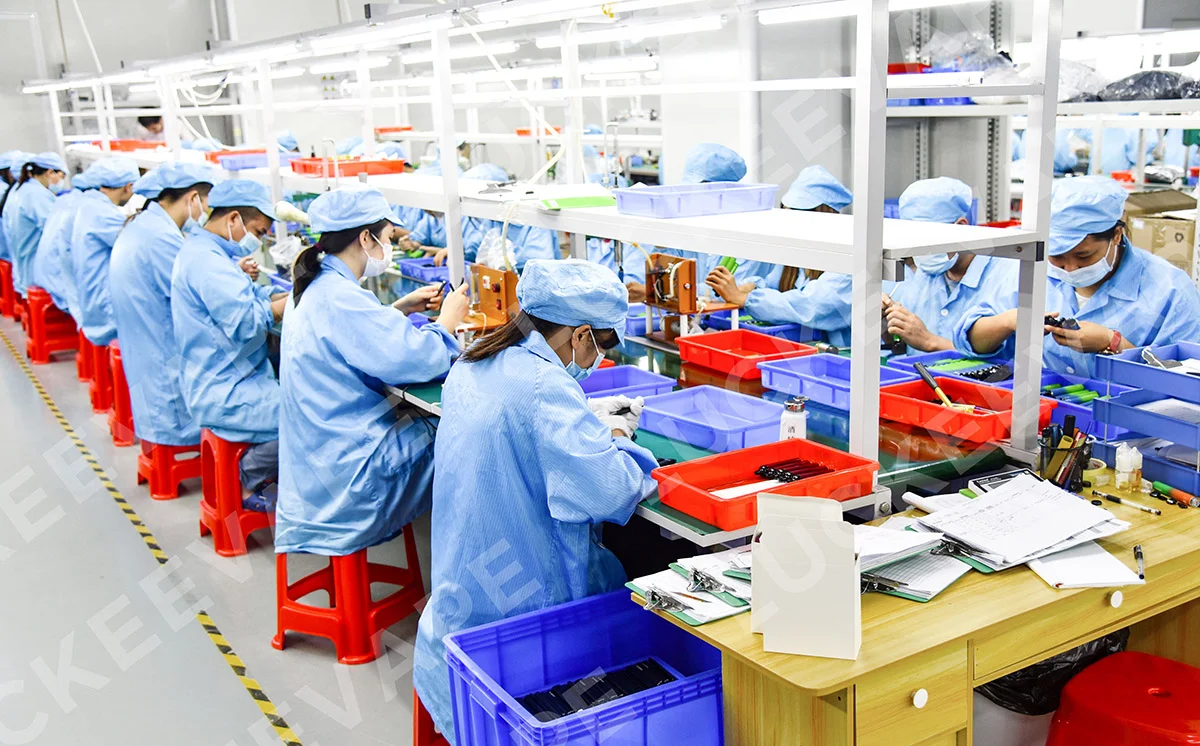
OEM Disposable Vape Manufacturer: Why More Brands Choose OEM Solutions The global vaping industry is becoming increasingly competitive, making product differentiation more important than ever. For distributors, wholesalers, and entrepreneurs, working with an OEM disposable vape manufacturer is one of the most effective ways to build a unique brand without investing in manufacturing facilities. OEM (Original Equipment Manufacturer) services allow businesses to customize products with their own branding, packaging, and specifications while relying on an experienced factory for production. This approach reduces costs, shortens development time, and ensures consistent product quality. In this guide, we’ll explain how OEM manufacturing works, its key benefits, and what to look for when choosing the right manufacturing partner. What Is an OEM Disposable Vape Manufacturer? An OEM disposable vape manufacturer produces disposable vape devices based on a customer’s branding and product requirements. Instead of creating products from scratch, businesses can customize existing hardware with features that match their target market. Typical OEM services include: Logo printing Custom packaging Device color customization Puff count options Battery capacity selection E-liquid volume Nicotine strength Flavor customization This allows brands to launch products quickly while maintaining a professional and unique market identity. Why OEM Manufacturing Is Growing Building a manufacturing facility requires significant investment in equipment, technology, engineering, and quality management. OEM manufacturing eliminates these barriers by providing access to experienced production teams and established manufacturing systems. For most brands, OEM offers: Lower startup costs Faster product launches Reduced production risks Flexible customization Scalable manufacturing Professional technical support As competition continues to increase, OEM has become the preferred business model for many vape brands worldwide. Benefits of Working with an OEM Vape Manufacturer Build Your Own Brand Private labeling allows companies to sell products under their own brand name instead of promoting another manufacturer’s identity. With OEM services, you can customize: Product logo Packaging design Device appearance User manuals Retail display boxes Strong branding helps improve customer recognition and long-term loyalty. Flexible Product Customization Every market has different customer preferences. A professional OEM vape manufacturer offers multiple customization options, including: Hardware Puff count Battery capacity Rechargeable or non-rechargeable designs Adjustable airflow Smart display screens Mesh coil technology E-liquid Flavor combinations Nicotine strength E-liquid capacity PG/VG ratio (where applicable) These options help brands develop products that meet local market demand. Faster Time to Market Developing a completely new vaping device can take months. OEM manufacturing shortens this process by using proven product platforms that can be customized quickly. Many projects can move from design approval to mass production in just a few weeks, allowing brands to respond faster to market trends. Quality Assurance Matters Choosing an experienced disposable vape manufacturer means benefiting from established quality management systems. Professional factories perform inspections throughout production, including: Raw material inspection Component testing Assembly verification Battery performance testing Leakage testing Charging tests Finished product inspection Consistent quality reduces customer complaints and strengthens brand reputation. Compliance for Global Markets International regulations continue to evolve, making compliance essential for successful exports. A professional OEM partner should provide documentation such as: CE RoHS FCC MSDS UN38.3 Product testing reports Working with a manufacturer familiar with international requirements helps simplify product approval and market entry. How to Choose the Right OEM Disposable Vape Manufacturer Before selecting a supplier, evaluate the following areas. Manufacturing Experience Choose a factory with years of experience producing disposable vape products for international customers. Experienced manufacturers typically have: Mature production processes Skilled engineering teams Better quality consistency Strong export experience Production Capacity Ask about: Monthly production output Number of production lines Average lead times Emergency production capability A scalable factory can support your business as demand grows. Research and Development Innovation is a major competitive advantage. Look for manufacturers that continuously develop: New device designs Advanced mesh coil technology Smart display systems Leak-resistant structures Improved battery efficiency An active R&D team helps keep your products competitive. Customer Support Reliable communication is essential for long-term cooperation. Professional manufacturers usually provide: Dedicated account managers OEM project management Fast technical support Shipping coordination After-sales service Efficient communication reduces delays and ensures smoother project execution. Why Global Brands Choose Chinese OEM Manufacturers China remains the world’s leading center for vape manufacturing because of its mature supply chain and production expertise. Chinese OEM manufacturers offer: Competitive pricing Large-scale production Advanced manufacturing equipment Experienced engineering teams Flexible customization Fast production cycles Continuous product innovation These advantages make China the preferred sourcing destination for many international vape brands. Questions to Ask Before Starting an OEM Project Before placing your first order, ask your manufacturer: What is your minimum order quantity (MOQ)? Can you provide product samples? What customization options are available? How long is the production lead time? What certifications do you provide? How is product quality controlled? What warranty policy do you offer? Can you support future product upgrades? Clear communication at the beginning helps build a successful long-term partnership. Conclusion Working with an experienced OEM disposable vape manufacturer allows brands to launch customized products quickly while maintaining high quality and competitive pricing. The right manufacturing partner provides much more than production—they offer technical expertise, quality assurance, product innovation, and reliable supply chain support. At Luckee Vape, we specialize in OEM and ODM disposable vape solutions for wholesalers, distributors, and private-label brands worldwide. From product customization to mass production, we help our partners bring high-quality vape products to market efficiently and confidently. If you’re planning to build or expand your vape brand, partnering with a trusted OEM manufacturer is one of the smartest investments you can make. FAQ What is an OEM disposable vape manufacturer? An OEM disposable vape manufacturer produces disposable vape devices that can be customized with your brand, logo, packaging, and product specifications. What are the benefits of OEM vape manufacturing? OEM manufacturing offers lower costs, faster production, product customization, professional quality control, and easier brand development. Can I customize every part of the vape product? Yes. Most OEM manufacturers allow customization of the logo, packaging, colors, battery capacity, e-liquid volume, flavors, nicotine strength, and
Cómo Elegir un Disposable Vape Manufacturer Confiable: Guía Completa para Compradores en 2026
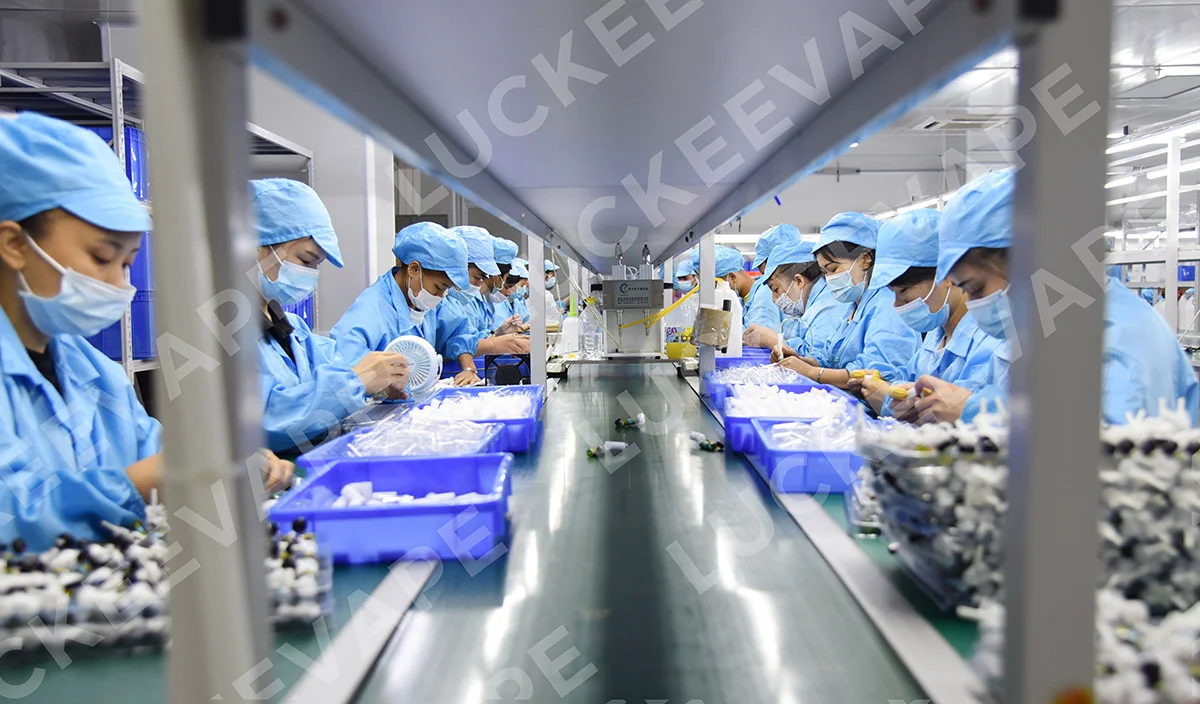
Cómo Elegir un Disposable Vape Manufacturer Confiable: Guía Completa para Compradores Encontrar un disposable vape manufacturer confiable es una de las decisiones más importantes para distribuidores, mayoristas, importadores y marcas privadas. El fabricante que elijas tendrá un impacto directo en la calidad del producto, la satisfacción del cliente, los tiempos de entrega y el crecimiento de tu negocio. Actualmente existen cientos de fábricas de vapeo en el mercado, pero no todas ofrecen el mismo nivel de experiencia, tecnología y control de calidad. En esta guía te explicamos los factores clave que debes evaluar antes de elegir un socio de fabricación. ¿Por Qué Es Importante Elegir el Fabricante Adecuado? Un fabricante profesional no solo produce dispositivos de vapeo. También ayuda a garantizar: Calidad estable del producto. Producción eficiente. Cumplimiento normativo. Desarrollo de nuevos productos. Servicios de personalización. Soporte técnico. Elegir un proveedor incorrecto puede provocar: Productos defectuosos. Retrasos en los pedidos. Problemas regulatorios. Pérdida de clientes. Mayores costes operativos. Por eso, seleccionar un fabricante confiable es fundamental para construir una marca sólida. 1. Evaluar la Experiencia del Fabricante La experiencia es uno de los primeros aspectos que debes analizar. Antes de trabajar con un proveedor, revisa: Años de experiencia en la industria del vapeo. Mercados internacionales donde trabaja. Clientes actuales. Experiencia en proyectos OEM y ODM. Un vape manufacturer con experiencia suele contar con procesos más maduros, mejor gestión de producción y mayor capacidad para resolver problemas. 2. Revisar las Instalaciones de Producción Una fábrica profesional debe contar con instalaciones modernas y procesos estandarizados. Algunos elementos importantes son: Líneas de producción automatizadas. Áreas de ensamblaje limpias. Equipos de llenado de e-liquid. Sistemas de prueba de baterías. Equipos de detección de fugas. Líneas automáticas de embalaje. Una infraestructura avanzada permite mejorar la eficiencia y mantener una calidad constante. 3. Analizar el Sistema de Control de Calidad La calidad es uno de los factores más importantes al elegir un disposable vape manufacturer. Los fabricantes profesionales realizan controles durante todo el proceso. Inspección de Materiales Antes de la producción se revisan componentes como: Baterías. Mesh Coil. Placas electrónicas. Atomizadores. Ingredientes del e-liquid. Control Durante la Producción Se supervisa cada etapa del ensamblaje para detectar posibles problemas. Pruebas del Producto Final Los dispositivos deben pasar pruebas como: Rendimiento de batería. Función de carga. Producción de vapor. Consistencia del sabor. Control de fugas. Calidad del embalaje. Un sistema de calidad completo reduce reclamaciones y mejora la experiencia del consumidor. 4. Evaluar los Servicios OEM y Personalización Para las marcas privadas, elegir un OEM vape manufacturer es una de las mejores opciones para crear productos diferenciados. Los servicios OEM pueden incluir: Personalización del Producto Número de caladas. Capacidad de batería. Volumen de e-liquid. Concentración de nicotina. Sistema Mesh Coil. Pantalla inteligente. Control de flujo de aire. Personalización de Marca Logotipo personalizado. Diseño del packaging. Caja de venta. Manual de usuario. Colores exclusivos. Un buen servicio OEM permite crear productos adaptados a diferentes mercados y consumidores. 5. Verificar Certificaciones y Cumplimiento Los productos de vapeo deben cumplir diferentes requisitos según el país de venta. Un fabricante profesional debe poder proporcionar documentación como: CE. RoHS. FCC. MSDS. UN38.3. Informes de pruebas. Trabajar con un fabricante familiarizado con los mercados internacionales facilita la exportación y reduce riesgos regulatorios. 6. Revisar la Capacidad de Investigación y Desarrollo La innovación es clave para mantenerse competitivo. Los mejores fabricantes desarrollan constantemente nuevas tecnologías: Sistemas Mesh Coil mejorados. Mayor duración de batería. Diseños modernos. Pantallas inteligentes. Sistemas antifugas. Mejor experiencia de sabor. Un socio con capacidad de I+D puede ayudarte a crear productos más competitivos. 7. Confirmar la Capacidad de Producción Antes de realizar pedidos grandes, es importante conocer la capacidad del fabricante. Pregunta sobre: Producción mensual. Número de líneas de fabricación. Tiempo de entrega. Capacidad para pedidos urgentes. Un fabricante escalable puede acompañar el crecimiento de tu negocio. 8. Evaluar la Estabilidad de la Cadena de Suministro Un fabricante confiable debe tener una cadena de suministro estable. Esto permite garantizar: Calidad constante de materiales. Precios competitivos. Entregas puntuales. Menos interrupciones de producción. Una buena gestión de proveedores es esencial para mantener un negocio estable. 9. Comunicación y Servicio al Cliente La comunicación eficiente es fundamental para proyectos OEM. Un fabricante profesional debe ofrecer: Responsable de cuenta. Actualizaciones de producción. Soporte técnico. Coordinación logística. Servicio postventa. Una comunicación clara evita errores y mejora la cooperación a largo plazo. 10. Solicitar Muestras Antes de un Pedido Grande Antes de realizar una compra importante, siempre es recomendable solicitar muestras. Las muestras permiten evaluar: Calidad del dispositivo. Sabor. Duración de batería. Producción de vapor. Diseño exterior. Packaging. Comparar diferentes fabricantes ayuda a tomar una decisión más segura. Señales de Alerta al Elegir un Fabricante Debes tener cuidado con proveedores que: No muestran información clara de la empresa. No ofrecen certificados. No permiten inspeccionar la fábrica. Tienen precios demasiado bajos. No explican sus procesos de calidad. Responden lentamente. Estas señales pueden indicar problemas futuros de producción o servicio. ¿Por Qué Muchos Compradores Eligen Fabricantes Chinos? China continúa siendo el principal centro mundial de fabricación de vapeadores. Sus principales ventajas son: Amplia experiencia industrial. Tecnología avanzada. Producción a gran escala. Precios competitivos. Servicios OEM completos. Cadena de suministro eficiente. Por esta razón, muchas marcas internacionales trabajan con fabricantes chinos para desarrollar sus productos. Conclusión Elegir un disposable vape manufacturer confiable requiere analizar mucho más que el precio. La experiencia, la calidad, la capacidad de producción, los servicios OEM, las certificaciones y la comunicación son factores esenciales para construir una relación comercial exitosa. Un buen fabricante puede convertirse en un socio estratégico para ayudarte a desarrollar productos competitivos y expandir tu marca en mercados internacionales. En Luckee Vape, ofrecemos soluciones OEM y ODM para distribuidores, mayoristas y marcas privadas, combinando tecnología avanzada, control de calidad y fabricación profesional para clientes globales. FAQ ¿Cómo elegir un disposable vape manufacturer confiable? Debes evaluar experiencia, capacidad de producción, control de calidad, certificaciones, servicios OEM y atención al cliente. ¿Qué certificaciones debe tener un fabricante de vape? Dependiendo del mercado, puede proporcionar CE,
Vape Manufacturer: Guía Completa para Elegir un Fabricante OEM Confiable en 2026

Vape Manufacturer: Cómo Elegir el Mejor Socio OEM para tu Marca La industria del vapeo sigue creciendo y la competencia entre marcas es cada vez mayor. Para lanzar productos de calidad y mantener una cadena de suministro estable, trabajar con un vape manufacturer confiable es una decisión estratégica. Un fabricante profesional no solo produce dispositivos, sino que también ofrece desarrollo de productos, personalización, control de calidad y soporte para mercados internacionales. Elegir el socio adecuado puede ayudarte a reducir costes, acelerar el lanzamiento de nuevos productos y fortalecer la reputación de tu marca. ¿Qué Hace un Vape Manufacturer? Un vape manufacturer diseña y fabrica dispositivos electrónicos para distribuidores, mayoristas y marcas privadas. Además de la producción, muchos fabricantes ofrecen servicios OEM y ODM, permitiendo desarrollar productos personalizados sin necesidad de contar con una fábrica propia. Entre los productos más comunes se encuentran: Disposable Vapes Pod Systems E-Hookah Dispositivos recargables Productos sin nicotina Soluciones personalizadas para marcas Trabajar directamente con el fabricante permite obtener mejores precios y mayor flexibilidad. Ventajas de Trabajar Directamente con un Fabricante Mejor Precio Eliminar intermediarios reduce costes y mejora el margen de beneficio. Personalización Un OEM vape manufacturer puede adaptar el producto según las necesidades de tu marca. Las opciones más habituales incluyen: Logotipo personalizado Colores exclusivos Diseño del dispositivo Packaging Sabores Nivel de nicotina Número de caladas Capacidad de batería Esto permite crear productos diferenciados para cada mercado. Producción Estable Un fabricante con experiencia garantiza: Entregas puntuales Producción constante Mejor gestión del inventario Capacidad para grandes pedidos Tecnología y Capacidad de Producción Las mejores fábricas invierten continuamente en automatización y equipos modernos para garantizar una producción eficiente. Busca fabricantes que cuenten con: Líneas de ensamblaje automáticas Talleres libres de polvo Equipos de prueba para baterías Sistemas de detección de fugas Control digital del proceso de producción Una infraestructura moderna mejora la calidad y reduce los errores de fabricación. Investigación y Desarrollo (I+D) La innovación es una ventaja competitiva en el sector del vapeo. Los fabricantes líderes desarrollan constantemente nuevas tecnologías, como: Mesh Coil de alto rendimiento Pantallas inteligentes Indicadores de batería y e-liquid Flujo de aire ajustable Mayor duración de la batería Sistemas antifugas Trabajar con un fabricante que invierte en I+D permite lanzar productos más innovadores y adaptados a las tendencias del mercado. Control de Calidad Un buen vape manufacturer debe aplicar controles estrictos durante todo el proceso de fabricación. Las principales inspecciones incluyen: Verificación de materias primas. Control durante el ensamblaje. Pruebas de batería. Test de resistencia de la bobina. Pruebas de carga. Inspección de fugas. Revisión del embalaje final. Estos controles garantizan un producto fiable y reducen las incidencias postventa. OEM vs ODM: ¿Cuál Elegir? OEM El servicio OEM permite personalizar productos existentes con la identidad de tu marca. Es la mejor opción para empresas que buscan entrar rápidamente al mercado. ODM El servicio ODM consiste en desarrollar un producto completamente nuevo. Incluye: Diseño exclusivo Funciones personalizadas Hardware propio Nuevas tecnologías Aunque requiere mayor inversión, ofrece una diferenciación mucho más fuerte frente a la competencia. Certificaciones y Cumplimiento Internacional Cada mercado tiene requisitos específicos para la comercialización de productos de vapeo. Un fabricante profesional debe poder proporcionar documentación como: CE RoHS FCC MSDS UN38.3 Informes de pruebas de laboratorio Contar con un fabricante familiarizado con los mercados internacionales facilita el proceso de exportación y reduce riesgos regulatorios. ¿Por Qué Elegir un Fabricante Chino? China sigue siendo el principal centro mundial de fabricación de vapeadores gracias a su experiencia y capacidad industrial. Las principales ventajas son: Costes competitivos. Producción a gran escala. Tecnología avanzada. Cadena de suministro consolidada. Amplia experiencia en OEM y ODM. Desarrollo continuo de nuevos productos. Por ello, muchas marcas internacionales confían en fabricantes chinos para producir sus dispositivos. Cómo Elegir un Vape Manufacturer Antes de iniciar una colaboración, revisa los siguientes aspectos: ✔ Experiencia en la industria. ✔ Capacidad de producción. ✔ Control de calidad. ✔ Certificaciones disponibles. ✔ Equipo de investigación y desarrollo. ✔ Servicios OEM y ODM. ✔ Tiempo de entrega. ✔ Atención al cliente. También es recomendable solicitar muestras para comprobar la calidad antes de realizar pedidos de gran volumen. Conclusión Elegir un vape manufacturer adecuado es una inversión a largo plazo. Un fabricante experimentado no solo ofrece productos de calidad, sino también innovación, personalización y un servicio capaz de adaptarse a las necesidades de cada cliente. En Luckee Vape, ayudamos a distribuidores y marcas privadas a desarrollar soluciones OEM y ODM con altos estándares de calidad, tecnología avanzada y una producción eficiente para mercados internacionales. Si buscas un socio confiable para hacer crecer tu marca, trabajar con un fabricante profesional puede marcar la diferencia entre un producto común y una marca competitiva. FAQ ¿Qué es un vape manufacturer? Es una empresa especializada en el diseño y fabricación de dispositivos de vapeo para marcas, distribuidores y mayoristas. ¿Cuál es la diferencia entre OEM y ODM? OEM consiste en personalizar un producto existente con tu propia marca, mientras que ODM implica desarrollar un diseño completamente nuevo. ¿Cómo elegir un fabricante confiable? Debes analizar su experiencia, capacidad de producción, sistema de calidad, certificaciones, innovación y servicio al cliente. ¿Qué ventajas ofrece trabajar directamente con un fabricante? Obtendrás mejores precios, mayor capacidad de personalización, mejor control de calidad y una cadena de suministro más estable. ¿Puede un fabricante ayudarme a crear mi propia marca? Sí. La mayoría de los fabricantes profesionales ofrecen servicios OEM que incluyen diseño del producto, logotipo, embalaje y configuraciones personalizadas para desarrollar una marca propia.
Are Big Puff Vapes in the UK Worth It? Cost, Puff Count & TPD Guide 2026
Are Big Puff Vapes in the UK Worth It? Complete Guide to High Puff Vape Devices in 2026 The UK vaping market has changed significantly in recent years, with big puff vapes becoming one of the most popular trends among adult vape users. Compared with traditional disposable vapes, which are limited by UK regulations to smaller e-liquid capacities, big puff vape devices offer: More e-liquid capacity Longer usage time Rechargeable batteries Better cost efficiency Improved convenience Popular high-capacity devices such as multi-pod systems and refill-style disposable alternatives have attracted strong consumer interest because they reduce the need for frequent replacements. But are big puff vapes really worth the extra cost? The answer depends on your vaping habits, budget, and preference for convenience. This guide explains everything you need to know about big puff vapes in the UK, including: How they work How much they cost How long they last UK TPD compliance Whether they are better than standard disposable vapes Table of Contents What Are Big Puff Vapes? Big Puff Vapes vs Traditional Disposable Vapes Are Big Puff Vapes More Cost-Effective? How Do Big Puff Vapes Work Under UK TPD Rules? How Long Do Big Puff Vapes Last? Are Big Puff Vapes Legal in the UK? Will Big Puff Vapes Be Banned? Advantages and Disadvantages of Big Puff Vapes FAQ Final Thoughts 1. What Are Big Puff Vapes? Big puff vapes are high-capacity vaping devices designed to deliver significantly more usage compared with standard disposable vapes. Traditional disposable vapes in the UK are limited by the Tobacco Products Directive (TPD), which restricts nicotine-containing disposable devices to: Maximum 2ml e-liquid capacity Maximum nicotine strength of 20mg/ml (2%) Because of these restrictions, standard disposable vapes usually provide around several hundred puffs. Big puff vape devices use alternative designs to provide longer-lasting performance, including: Multiple pre-filled pods Separate e-liquid reservoirs Rechargeable batteries Replaceable components Instead of replacing the entire device after a short period, users can continue using the same hardware for much longer. 2. Big Puff Vapes vs Traditional Disposable Vapes The biggest difference between big puff vapes and standard disposable vapes is capacity. Feature Standard Disposable Vape Big Puff Vape E-liquid Capacity Up to 2ml Multiple pods or larger systems Usage Time Short-term Long-lasting Battery Usually smaller Rechargeable Maintenance Almost none Pod replacement or charging Cost Efficiency Higher cost per ml Lower cost per ml Environmental Impact More waste Reduced waste potential For users who vape frequently, big puff devices can provide a more convenient experience because they require fewer replacements. 3. Are Big Puff Vapes More Cost-Effective? Although big puff vapes usually have a higher upfront price, they often provide better value over time. For example: A standard disposable vape may cost less initially, but users need to purchase replacements more frequently. A big puff vape costs more at purchase but contains significantly more e-liquid capacity. The cost per milliliter of e-liquid is usually lower. Example Cost Comparison Standard disposable vape: Price: £5 E-liquid: 2ml Cost per ml: £2.50 Big puff vape: Price: £12 E-liquid equivalent: 10ml+ Cost per ml: Around £1.20 Although prices vary between brands and retailers, larger-capacity devices generally provide better long-term value. 4. How Do Big Puff Vapes Work Under UK TPD Rules? Many consumers wonder how big puff vapes can exist in the UK when disposable vape regulations limit e-liquid capacity. The answer is device design. UK regulations limit the amount of nicotine-containing e-liquid inside a single pre-filled vape device. Big puff products achieve larger capacities by separating the e-liquid supply from the main device structure. Common designs include: Multi-Pod Systems Some devices include several smaller pods. For example: Four 2ml pods Replaceable pod sections Rotating or switching mechanisms Users replace pods when one is empty. Separate E-Liquid Systems Some devices include: A 2ml internal pod Additional e-liquid stored separately The user activates or connects the additional liquid system during use. This allows manufacturers to create longer-lasting devices while following current regulations. 5. How Long Do Big Puff Vapes Last? The actual lifespan of a big puff vape depends on: User vaping habits Puff duration Device efficiency Battery capacity Manufacturers may advertise high puff numbers, but real-world usage can vary. A heavy user may finish a device faster, while a casual user may use the same device for several weeks. Factors Affecting Puff Count Puff Duration Longer inhalation uses more e-liquid per puff. Device Settings Higher power output usually consumes more e-liquid. User Frequency Daily vaping frequency has the biggest impact on device lifespan. The best way to estimate usage is to compare it with your current vaping habits. 6. Are Big Puff Vapes Legal in the UK? Yes, many big puff vape devices are currently available legally in the UK when they comply with existing regulations. Compliant products must meet requirements including: TPD notification Nicotine limits Packaging requirements Health warnings Product testing standards For vape manufacturers and wholesalers, compliance has become one of the most important factors when entering the UK market. 7. Will Big Puff Vapes Be Banned in the UK? The future of disposable-style vape products in the UK remains an important topic. The UK government has introduced restrictions aimed at reducing: Single-use vape waste Environmental impact Youth access However, the future of big puff devices depends on how regulators define disposable products. Some high-capacity devices may continue in different formats, such as: Replaceable pod systems Rechargeable vape kits Reusable devices The industry is already moving toward products that provide convenience while reducing waste. 8. Advantages and Disadvantages of Big Puff Vapes Advantages Longer Usage Time Users do not need to replace devices as frequently. Better Value The cost per amount of e-liquid is usually lower. More Convenient Fewer purchases and replacements are required. Improved Technology Many big puff devices include: Mesh coils Digital displays Adjustable airflow Rechargeable batteries Disadvantages Higher Initial Price The upfront cost is higher than standard disposable vapes. More Regulations Manufacturers must carefully follow changing UK vape laws. Less Disposable Convenience Some users prefer simple devices that
E-Hookah vs Shisha: What Is the Difference?

E-Hookah vs Shisha: What Is the Difference? E-hookah and shisha offer a similar hookah-style experience, but they work differently. Traditional shisha uses charcoal to heat flavored tobacco or herbal molasses. E-hookah uses a battery-powered coil to heat e-liquid. The main differences involve the heating method, ingredients, device structure, portability and maintenance. What Is Traditional Shisha? Shisha usually refers to flavored tobacco or herbal molasses used in a traditional hookah. The material is placed inside a bowl and heated with charcoal. The smoke travels through the hookah stem, passes through water and is inhaled through a hose. Traditional shisha equipment normally includes: A water base Stem and bowl Hose and mouthpiece Charcoal tray Flavored tobacco or herbal shisha “Shisha” is widely used in the Middle East and Europe, while “hookah” is more common in North America. What Is an E-Hookah ? E-hookah, also called electronic shisha, is a battery-powered device designed to create a hookah-style experience without charcoal. The battery powers a coil that heats e-liquid and produces an aerosol. Depending on the model, an e-hookah may include: Rechargeable battery Mesh coil E-liquid reservoir Adjustable airflow Digital display USB Type-C charging Replaceable or prefilled pod E-hookah products include compact disposable devices, rechargeable models and larger electronic hookah systems. E-Hookah vs Shisha: Main Differences Feature E-Hookah Traditional Shisha Heating method Battery-powered coil Charcoal Consumable E-liquid Tobacco or herbal molasses Output Aerosol Smoke Water required Usually no Yes Setup Quick and simple Requires preparation Portability Usually portable Larger and less portable Maintenance Limited Regular cleaning required Nicotine With or without nicotine Depends on the shisha material Typical use Personal and convenient Social and traditional Heating Method Traditional shisha depends on burning charcoal. The user must prepare the bowl, light the charcoal and control the heat during the session. E-hookah uses an electronic heating system. It normally activates through inhalation or a button, making it quicker and easier to use. Ingredients Traditional shisha may contain tobacco, molasses, glycerin and flavorings. Tobacco-based shisha normally contains nicotine, while some herbal products may be nicotine-free. E-hookah usually contains e-liquid made with flavorings, vegetable glycerin, propylene glycol and optional nicotine. Ingredients and nicotine levels vary by product. Neither “shisha” nor “e-hookah” automatically means nicotine-free. Always check the product label. Portability and Convenience Traditional hookahs can be large and require a water base, bowl, hose, charcoal and other accessories. They are commonly used at home, in lounges or in social settings. E-hookah products are generally more portable. Most do not require water, charcoal or complicated preparation, making them suitable for individual use. Flavor Experience Both products are available in popular flavors such as: Mint Double apple Grape Watermelon Lemon Peach Mixed fruit However, their flavor experiences are different. Traditional shisha combines heated tobacco or molasses with charcoal, while e-hookah flavor depends on the e-liquid, coil, power output and airflow. Maintenance Traditional shisha equipment requires regular cleaning. Residue can build up inside the bowl, stem, base and hose. Disposable e-hookah products require little maintenance. Rechargeable models may need charging, pod replacement and occasional cleaning around the mouthpiece or connection points. Is E-Hookah the Same as E-Shisha? E-hookah and e-shisha generally describe the same electronic product category. The preferred term depends on the market: E-hookah: commonly used in North America E-shisha: commonly used in Europe and the Middle East Vape hookah: frequently used in product and wholesale searches Electronic shisha: formal B2B product term Using several related terms naturally can help manufacturers and wholesalers reach buyers in different regions. Which One Should You Choose? Traditional shisha is suitable for people who prefer the classic waterpipe ritual and longer social sessions. E-hookah may be more suitable for those looking for: Faster setup Greater portability No charcoal Easier maintenance Rechargeable operation Adjustable airflow Availability and permitted product specifications depend on local regulations. Frequently Asked Questions Is e-hookah a vape? Yes. Most e-hookah products use battery-powered vaping technology to heat e-liquid and produce an aerosol. Does e-hookah use water? Most portable e-hookah devices do not require water. Some larger electronic hookah systems may include a water base. Does e-hookah contain nicotine? It can. E-hookah products may contain nicotine or use nicotine-free e-liquid. Check the product specifications before purchasing. Is traditional shisha always tobacco-based? No. Traditional shisha may contain tobacco or herbal material. The ingredients and nicotine content vary between products. Are e-hookah and shisha regulated in the same way? Not always. E-hookah may be regulated as a vaping product, while traditional shisha may fall under tobacco or waterpipe regulations. Importers should verify the rules in their target market. Conclusion The main difference is simple: traditional shisha uses charcoal to heat tobacco or herbal molasses, while e-hookah uses a battery-powered coil to heat e-liquid. Shisha offers a traditional and social waterpipe experience. E-hookah provides a more portable and convenient electronic alternative without charcoal.
What Is a Vape Hookah? The Complete Guide for Buyers and Distributors
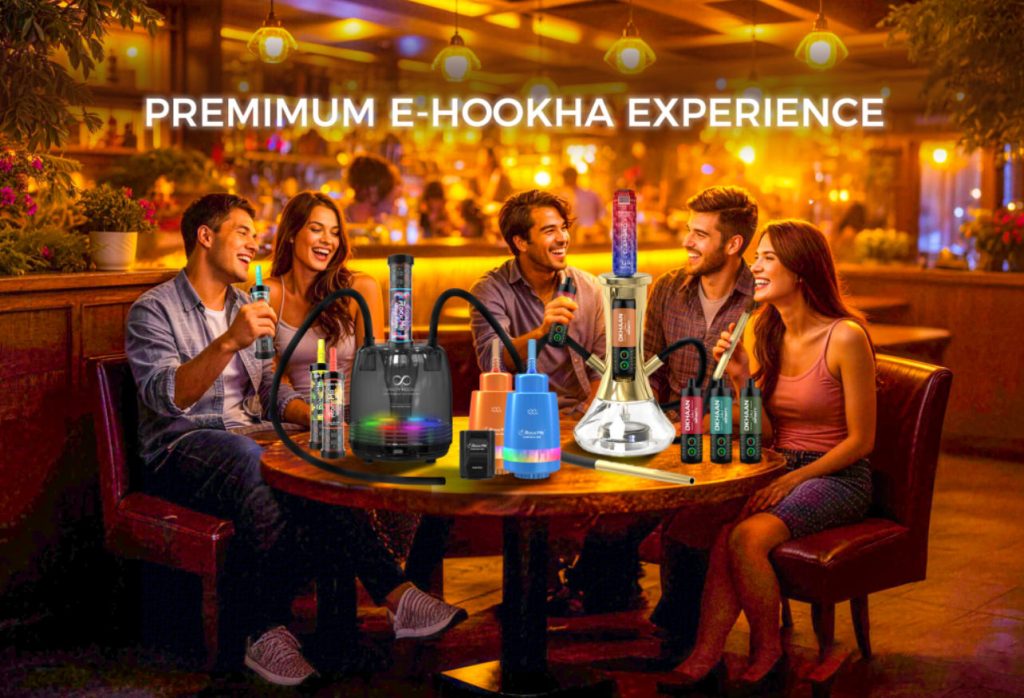
What Is a Vape Hookah? Complete Guide for Buyers and Distributors A vape hookah is an electronic device designed to provide a hookah-inspired vaping experience without using charcoal or burning traditional hookah tobacco. Depending on the model, it may feature a large e-liquid capacity, rechargeable battery, mesh coil, adjustable airflow, digital display, multiple flavors or compatibility with a desktop hookah system. For wholesalers, distributors and private-label buyers, understanding the different vape hookah formats, specifications and quality requirements is essential before selecting products for a target market. What Is a Vape Hookah ? The term “vape hookah” describes a growing category of electronic vaping products designed to deliver a hookah-inspired experience in a more portable and convenient format. These products may also be marketed as: Electronic hookah Electronic shisha Vape shisha Hookah vape E-hookah Shisha vape Unlike a traditional waterpipe, an electronic hookah does not normally require charcoal, a tobacco bowl, foil or a lengthy preparation process. Instead, the device uses a battery to power a heating coil. The coil heats prepared e-liquid stored inside the product, creating an inhalable aerosol. This electronic operating system makes vape hookah products easier to set up and more portable than traditional hookah equipment. As a result, the category has attracted attention from adult consumers, vape retailers, wholesalers, lounges, distributors and private-label brands. However, vape hookah is not limited to one standard shape or product structure. Some models are handheld devices, while others connect to a tabletop base and hose system. B2B buyers should therefore evaluate the actual product structure, specifications and intended use rather than relying only on the product name. How Does a Vape Hookah Work? Most vape hookah products contain five main components. Battery The battery supplies power to the electronic heating system. Many modern vape hookah devices use a rechargeable battery and USB Type-C charging connection. Battery capacity can influence operating time, charging frequency and the ability of the device to support its full e-liquid capacity. B2B buyers should also evaluate charging protection, battery quality and available transportation documentation. E-Liquid Reservoir The reservoir holds the prepared e-liquid. The liquid may contain flavorings, nicotine and other permitted ingredients, depending on the product specification and destination-market regulations. E-liquid capacity varies significantly between models. Importers must check whether the capacity and nicotine concentration are permitted in the intended market. Heating Coil The heating coil converts electrical power into heat and vaporizes the e-liquid. Mesh coil technology is commonly used because the expanded heating surface can support more consistent vapor and flavor delivery. Coil resistance, material and power output should be evaluated together rather than separately. Airflow System The airflow path carries air through the product when the adult user inhales. Some devices provide adjustable airflow, allowing the draw resistance to be changed. A more open setting generally creates an airier draw, while a more restricted setting produces a tighter draw. Control or Display System Some vape hookah devices include a digital display that shows information such as: Battery level E-liquid status Operating mode Charging status Device activation Draw-activated products begin operating when the user inhales. More advanced models may include buttons, multiple output modes or compatibility with a separate hookah base. The operating instructions should always match the specific device model. Main Types of Vape Hookah Products Handheld Vape Hookah A handheld vape hookah is generally a high-capacity electronic device designed for portability. Depending on the model, it may include: Large e-liquid capacity Rechargeable battery Mesh coil Adjustable airflow Digital display Multiple output modes Hookah-inspired mouthpiece High-capacity puff estimate This format may be suitable for adult-oriented vape stores, distributors and compliant online retail channels. Desktop Electronic Hookah A desktop electronic hookah is designed to create a more social, lounge-style presentation. The system may incorporate: Hookah-style base One or more compatible vape devices Hose Mouthpiece Airflow connection Flavor switching system Flavor-mixing function Commercial buyers should confirm which parts are included with the product and which accessories must be purchased separately. Multi-Flavor or Dual-Device Hookah Some electronic hookah systems allow two compatible vape devices to be installed simultaneously. Depending on the airflow structure, the system may allow adult users to: Use one flavor at a time Switch between two flavors Combine two flavor profiles Create customized flavor pairings This format may provide distributors with opportunities to create product bundles and flavor combinations, subject to local product and marketing regulations. Important Features B2B Buyers Should Evaluate Puff count may attract attention, but it should not be the only factor used to compare vape hookah products. Actual product performance can vary according to puff duration, operating power, airflow setting, battery condition and user behavior. Wholesale buyers should evaluate the entire product system. Battery Capacity and Charging The battery should be suitable for the e-liquid capacity and operating power of the device. Buyers should check: Battery capacity Charging connection Charging time Battery indicator Charging protection Transportation documentation Battery supplier information E-Liquid Capacity and Filling Consistency The factory should control the filling process to reduce capacity variation, leakage and premature dry-coil problems. Ask how the manufacturer checks filling volume and whether production records are retained by batch. Coil Performance Evaluate vapor consistency, flavor delivery and product performance across the expected device lifecycle. Sample testing should include multiple units rather than relying on one presentation sample. Adjustable Airflow Adjustable airflow can help differentiate a product and provide greater control over draw resistance. The airflow mechanism should remain easy to operate and should not move accidentally during normal handling. Leakage Resistance Leakage can affect product quality, packaging appearance, transportation and customer satisfaction. Buyers should ask about: Filling controls Seal design Pressure testing Storage-position testing Temperature testing Transportation simulation Finished-product leakage inspection Display Accuracy A digital display should communicate useful information clearly. Battery and e-liquid indicators may be estimates, so product descriptions should avoid presenting them as laboratory-level measurements unless supported by evidence. Mouthpiece and Product Design The mouthpiece should be comfortable for the intended product format. The device should also be stable when placed on a surface and easy to identify
Myanmar vape ban : Sales, Imports, Possession and Use Prohibited
Myanmar Bans Vape Sales, Imports, Possession and Use Myanmar has introduced a nationwide prohibition on vaping products that covers far more than commercial sales. Under Ministry of Health Order No. 8/2026, the country has banned the import, export, sale, possession, storage, transport, distribution, use and consumption of electronic cigarettes and related products. The prohibition also covers electronic shisha, heated smoking devices and associated accessories. The order was issued on February 18, 2026, with Cabinet authorization and was publicly reported by the Ministry of Health on February 20. Myanmar’s action is therefore not merely a retail sales restriction. Individuals can also face legal consequences for carrying, possessing or using a vape, including one brought into the country for personal use. Quick Answer: Are Vapes Legal in Myanmar? No. Myanmar prohibits the importation, exportation, sale, possession, storage, carrying, distribution, use and consumption of e-cigarettes, electronic shisha, heated smoking devices and related accessories. Travellers should not bring vaping products into the country. When Did Myanmar Ban Vaping? Myanmar’s Ministry of Health issued Order No. 8/2026 on February 18, 2026. The measure was announced publicly on February 20 after receiving Cabinet authorization. According to the order, the ban took effect under powers provided by the Essential Supplies and Services Law. Before this measure, Myanmar did not have the same clearly defined, comprehensive national prohibition covering every stage of the vape supply chain. Authorities had reportedly seized imported vaping products in some cases, but the legal status was less explicit. Order No. 8/2026 creates a direct legal basis for enforcement against commercial operators and individual users. What Products Does the Ban Cover? The prohibition applies broadly to electronic smoking and nicotine-delivery products. Covered categories include: Disposable vapes Rechargeable vapes Refillable electronic cigarettes Closed-pod systems Open-system devices E-liquids Pre-filled vape pods Replacement cartridges Vape accessories Electronic shisha Heated smoking devices Associated components The order’s reference to accessories means that carrying hardware without e-liquid may not avoid the prohibition. A traveller should not assume that an empty device, replacement pod or battery-only product is permitted. Which Activities Are Prohibited? Myanmar’s order prohibits activities across the entire product lifecycle. Activity Status Importing vapes Prohibited Exporting vapes Prohibited Selling vapes Prohibited Possessing vapes Prohibited Storing vapes Prohibited Carrying or transporting vapes Prohibited Distributing vapes Prohibited Using vapes Prohibited Consuming vape products Prohibited Online vape sales Prohibited Personal-use imports Prohibited The broad wording is important. A person does not have to operate a shop or import a commercial shipment to fall within the scope of the ban. What Law Is Being Used? The prohibition is enforced through Myanmar’s Essential Supplies and Services Law. The Ministry of Health issued the order using authority provided under the law, including Section 4(a), in accordance with Section 9. The Essential Supplies and Services Law allows authorities to control or prohibit specified goods and activities where the government considers action necessary for public welfare. By using this framework, the government can take action against: Importers Exporters Wholesalers Retailers Online sellers Warehouse operators Transporters Individual users People carrying products for personal use The order gives customs and enforcement authorities a clearer legal basis to seize prohibited products at airports, ports and land borders. Does the Ban Apply to Personal Possession? Yes. Personal possession is expressly included in the prohibition. This means that a vape purchased legally in another country can still be illegal once carried into Myanmar. The personal-use purpose does not create an automatic exemption. The ban can cover: A single vape in hand luggage A device carried in a pocket An empty refillable device Vape pods A bottle of e-liquid A heated-tobacco device Electronic shisha equipment Accessories packed separately Travellers should leave all vaping products outside Myanmar. Can Tourists Bring Vapes Into Myanmar? No. Tourists should not bring vape devices, pods, cartridges, e-liquids or related accessories into Myanmar. The import and possession restrictions apply regardless of whether the product is intended for sale or personal use. Travellers could encounter enforcement at: International airports Land-border crossings Seaports Customs inspections Police checkpoints Hotels Public places Myanmar’s current security situation also increases the practical risks associated with violating local law. The U.S. Department of State advises against all travel to Myanmar because of armed conflict, unrest, crime, poor health infrastructure and arbitrary enforcement of local laws. U.S. travel advisory for Myanmar Can a Vape Be Packed in Checked Baggage? No. Putting a vape in checked baggage does not avoid Myanmar’s import prohibition. It may also violate airline safety rules concerning lithium-ion batteries. Airline rules and national customs laws are separate: An airline may require electronic cigarettes to be carried in cabin baggage. Myanmar law prohibits bringing the product into the country. Following the airline’s battery rule does not make the product legal at the destination. The safest option is not to travel to Myanmar with any vape-related product. Are Nicotine-Free Vapes Exempt? No clear nicotine-free exemption has been identified in the published scope of the order. The prohibition is directed at electronic cigarettes, electronic shisha, heated smoking devices and related accessories—not only at nicotine-containing e-liquids. A product may therefore remain prohibited even if it: Contains zero nicotine Uses herbal liquid Is marketed as aromatherapy Has an empty tank Does not include a pod Has never been used Travellers and businesses should not rely on a “nicotine-free” label to claim an exemption. Does the Ban Include Heated-Tobacco Products? Reports concerning Order No. 8/2026 indicate that heated smoking devices are included alongside e-cigarettes and electronic shisha. Heated-tobacco products differ technically from conventional vapes. They heat processed tobacco rather than ordinary e-liquid. However, Myanmar’s policy groups these products within its broader prohibition on recreational electronic smoking devices. Businesses should therefore treat products such as heated-tobacco devices and their consumables as prohibited unless official Myanmar authorities provide a specific exemption. Why Did Myanmar Introduce the Ban? The Ministry of Health cited public-health concerns and increasing youth use. Government officials expressed concern about: Nicotine dependence Youth experimentation Lung exposure Heart and respiratory effects Heavy metals Other toxic substances Colorful devices Flavored
2026 World Cup Vape Rules: What Fans Can Bring Into Stadiums

2026 World Cup Vape Rules: What Fans Need to Know Before Entering a Stadium Fans attending the 2026 FIFA World Cup will not be allowed to smoke or vape inside tournament stadiums. What remains less clear is whether they can carry an unused vape device through security. FIFA’s matchday guidance lists electronic smoking devices among the items prohibited inside stadiums. However, wording in its broader Stadium Code of Conduct indicates that cigarettes and electronic smoking devices may be carried but not used. The difference could determine whether a vape remains in a spectator’s pocket or is rejected at the entrance. Because the tournament takes place across the United States, Canada and Mexico, supporters must also consider national and local laws. A device that may be legal to possess in one host country could create serious problems in another. Are Smoking and Vaping Banned at the 2026 World Cup? FIFA prohibits smoking, vaping and the use of tobacco or electronic smoking products inside World Cup venues. The prohibition extends beyond the spectator’s seat. It may apply throughout the entire controlled venue, including: Stadium concourses Toilets Hospitality sections Food and beverage areas Entrance queues inside the security zone Inner stadium perimeters Outer controlled perimeters Therefore, moving to an open-air concourse does not necessarily make vaping acceptable. FIFA says some stadiums may provide designated outdoor smoking areas when local laws and venue conditions allow. The word “may” is important: spectators should not expect every venue to provide one. Can Fans Bring Vape Devices Into World Cup Stadiums? The safest answer is that fans should not assume vape devices are permitted. FIFA’s matchday customer-support page, updated on June 27, identifies the following as prohibited items: Electronic smoking devices Tobacco products Lighters Matches This suggests that security personnel can refuse a vape at the entrance, even when the device is switched off and the spectator has no intention of using it. Fans should check FIFA’s official smoking and vaping guidance before attending because prohibited-item policies may be updated during the tournament. Why Does the Stadium Code Create Confusion? FIFA’s Stadium Code of Conduct reportedly contains more permissive language regarding possession. In the section covering potentially dangerous objects, cigarettes and electronic smoking devices are excluded from the general prohibition on articles capable of producing smoke, heat or flames. The document says these products may be possessed but not used within the stadium. Another section prohibits spectators from smoking, vaping or using tobacco and electronic smoking devices, except in authorised outdoor areas where such facilities exist. The documents therefore create two different messages: FIFA document Apparent rule Matchday customer-support guidance Electronic smoking devices are prohibited inside the stadium Stadium Code of Conduct Devices may be possessed but cannot be used Venue and security authority Officials retain the final decision at entry Until FIFA clarifies the difference, spectators should prepare for the stricter rule and leave their devices behind. Who Makes the Final Decision at Stadium Security? FIFA states that it, the stadium operator and relevant government authorities can make the final decision about whether an item is permitted. That means a spectator cannot guarantee entry with a vape by referring only to one section of the Stadium Code. A device may be refused because of: Revised FIFA instructions Local stadium rules Host-city legislation National law Lithium-battery safety concerns E-liquid restrictions The type or size of device Instructions issued to security personnel A vape passing through security at one stadium does not establish that it will be accepted at every other World Cup venue. What Could Happen If a Fan Vapes Inside? Spectators who violate FIFA’s stadium rules may face consequences extending beyond a verbal warning. Possible measures include: Confiscation of the device Refusal of admission Removal from the stadium Cancellation of the match ticket Cancellation of tickets for later matches Reporting to local authorities Civil or criminal penalties under local law The specific response will depend on the venue, behaviour involved and applicable legislation. Using a vape in a toilet or another concealed area does not create an exception. Stadiums may use security cameras, alarms and staff monitoring to enforce smoke-free rules. World Cup Vape Rules at a Glance Question Practical answer Is vaping permitted in the seating area? No Is vaping permitted on stadium concourses? No Does the rule cover outer controlled areas? Yes Can a fan carry an unused vape? The documents are inconsistent; do not assume it is allowed Can security refuse a device? Yes Will every venue provide a smoking area? No Are nicotine-free vapes exempt? No exemption has been identified Are heated-tobacco devices covered? They may be treated as electronic smoking devices Are the same national laws used in all host countries? No Vape Regulations in the Three Host Countries FIFA’s venue policy applies at tournament locations, but it does not replace national or local law. Fans must comply with both sets of rules. United States Possession of a personal vape is not subject to a complete nationwide ban in the United States. Nevertheless, vaping products and their use are governed by federal, state and local requirements. The U.S. Food and Drug Administration regulates the manufacture, importation, distribution and marketing of electronic nicotine delivery system products. As of July 2026, the FDA says 45 e-cigarette products have received marketing authorization. According to the agency, these are the only e-cigarette products that may currently be lawfully marketed in the United States. This does not mean stadium security will investigate the FDA status of every device. FIFA can refuse a vape regardless of whether the product has received authorization. Public-use restrictions also vary by location. A host city may prohibit vaping in: Indoor public spaces Restaurants and bars Public transportation Workplaces Parks Areas near schools Sports and entertainment venues Fans should check the rules of the state, city and stadium they are visiting. Canada Canada permits regulated vaping products, but its legal system includes federal, provincial, territorial and municipal requirements. The federal Tobacco and Vaping Products Act regulates matters including: Product manufacturing Packaging