 English
 French
 German
 Italian
 Polish
 Russian
 Spanish
Why China Dominates the Global Vape Manufacturing Industry
China’s Influence on the Worldwide Vape Market
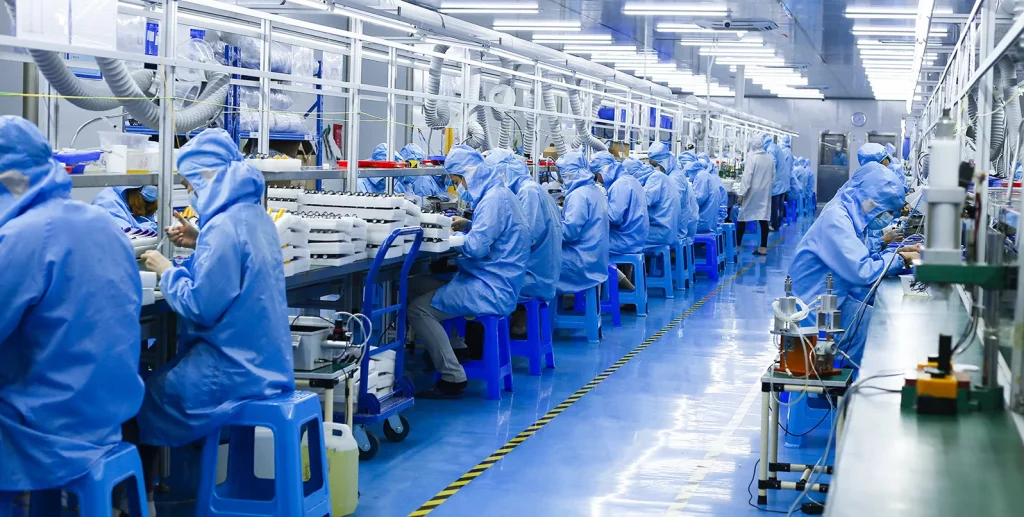
China has long been recognized as the world’s manufacturing center, and its leadership in the vape industry is no exception. With unmatched production capacity and a deeply integrated supply chain, China has become the primary source for wholesale vape products and customized vaping devices. Today, most vape products sold globally—including e-cigarettes, vape pens, disposable vapes, pod systems, and advanced mods—are manufactured in China and exported to international markets.
What sets China apart is not only volume, but efficiency. The country has decades of experience producing electronics and consumer devices at scale, supported by mature factories, skilled labor, and advanced automation. Combined with competitive manufacturing costs, this makes Chinese vape manufacturers highly appealing to brands, distributors, and retailers seeking reliable supply and strong profit margins.
Innovation is another key driver. China is not just producing vape devices—it is shaping the future of vaping. Manufacturers continuously refine product performance, enhance designs, and respond quickly to changing consumer preferences. As a result, China functions both as a global production hub and as a technology leader within the vaping industry.
Key Trends Defining China’s Vape Manufacturing Sector
The vape manufacturing landscape in China has evolved rapidly in recent years, influenced by technological progress, regulatory pressure, and shifts in consumer demand. Several major trends stand out.
Advancements in Vape Device Technology
Chinese vape manufacturers are placing increasing emphasis on smarter, more user-friendly devices. Improvements in vapor consistency, coil performance, battery longevity, and power efficiency have become standard expectations. Many devices now offer adjustable airflow, customizable settings, and refined temperature control to enhance the user experience.
Portability and design are also major priorities. Compact, lightweight, and visually appealing devices are gaining traction, particularly among lifestyle-oriented consumers. Pod systems exemplify this shift, offering a balance between convenience and performance that appeals to both new users and experienced vapers.
Rapid Growth of Disposable Vapes
Disposable vapes have become one of the fastest-growing product categories in the global vape market. Their simplicity, affordability, and maintenance-free design make them especially attractive to casual users and first-time vapers. Chinese manufacturers have quickly scaled production to meet this demand, offering a wide range of flavors, nicotine strengths, and device styles.
For retailers, sourcing China wholesale vapes—particularly disposable models—provides a cost-effective way to keep up with consumer trends while maintaining flexibility in inventory planning.

Move Toward Health-Oriented Vaping Products
As the industry matures, consumers are paying closer attention to product safety and ingredient transparency. This shift has been reinforced by stricter regulations and greater public scrutiny in many regions. In response, made-in-China vape manufacturers are strengthening quality control systems and investing in safer materials and cleaner production processes.
Some manufacturers are expanding into nicotine-free devices, adopting higher-grade components, using more refined e-liquid formulations, and providing clearer ingredient labeling. These efforts are designed to address health concerns while aligning with regulatory expectations in international markets.
Growing Focus on Sustainability and Environmental Responsibility
Environmental impact is becoming an increasingly important consideration in the vape industry, particularly due to concerns around disposable devices and single-use components. To address this, many Chinese vape manufacturers are exploring greener production methods and materials.
Initiatives include recyclable or biodegradable packaging, reusable pod designs, and reduced material waste during manufacturing. As sustainability becomes a purchasing factor for consumers, brands that partner with environmentally conscious manufacturers can strengthen credibility and long-term brand value.
Challenges When Partnering with Vape Manufacturers in China
Despite its advantages, sourcing vape products from China is not without challenges. Businesses need to be aware of potential risks and plan accordingly.
Maintaining Consistent Product Quality
Quality control remains one of the most common concerns. With a large number of factories operating at different standards, product consistency can vary. Issues such as leakage, coil failure, or inconsistent battery performance may occur if quality systems are weak.
Retailers can reduce these risks by carefully vetting suppliers, requesting samples, conducting factory inspections, and establishing clear quality benchmarks before placing bulk orders.
Managing Regulatory Requirements
Vape regulations vary widely across regions and continue to evolve. Compliance with rules related to nicotine limits, safety certifications, labeling, and packaging is critical. Non-compliance can lead to shipment delays, fines, or bans in certain markets.
Choosing a vape manufacturer in China with strong regulatory knowledge and export experience is essential. Reliable manufacturers can help guide businesses through compliance requirements and documentation for different regions.
Supply Chain and Logistics Considerations
International sourcing often involves long lead times, customs procedures, and potential shipping delays. These challenges can disrupt inventory planning and affect customer satisfaction.
Clear communication with China wholesale vape suppliers, realistic production timelines, and partnerships with experienced logistics providers can significantly improve supply chain reliability.
Overcoming Language and Cultural Differences
Differences in language and business culture can sometimes result in miscommunication, particularly around specifications, pricing, or quality expectations. Working with manufacturers that have English-speaking teams and extensive export experience can help minimize misunderstandings.
In some cases, using a sourcing agent or third-party quality control service can further improve communication and alignment between both sides.
The Future of China’s Vape Manufacturing Industry
Ongoing Innovation and Smart Technology
Innovation will continue to drive the industry forward. Future vape devices are likely to feature enhanced temperature precision, smart chips, app integration, and improved energy efficiency. With China leading production and development, these advanced features will remain accessible at competitive price points.
Expansion Into Emerging Global Markets
While North America and Europe remain key export destinations, Chinese vape manufacturers are increasingly targeting emerging markets across Asia, Africa, and Latin America. These regions present new opportunities but also require localized product strategies to match consumer preferences and regulatory environments.
Adapting to Stricter Regulations
As global oversight increases, manufacturers will need to comply with higher safety standards and more detailed certification requirements. Those that proactively invest in compliance, testing, and documentation will be best positioned for long-term growth.
Stronger Commitment to Sustainability
Sustainability will play a larger role in shaping the future of vape manufacturing. Reduced environmental impact, improved recyclability, and lower carbon footprints are likely to become standard expectations rather than optional features. Businesses that prioritize sustainable sourcing from China will gain a competitive advantage in an increasingly conscious market.
China’s vape manufacturing industry stands at a pivotal moment. With strong production capabilities, continuous innovation, and growing attention to quality and sustainability, it remains the backbone of the global vape supply chain. Businesses that understand market trends, address sourcing challenges, and plan for future developments will be well-positioned to succeed in this dynamic industry.