
 English
 French
 German
 Italian
 Polish
 Russian
 Spanish
In recent years, vaping has become widely popular, especially among younger generations and individuals trying to quit traditional smoking. Marketed as a cleaner and safer alternative to cigarettes, e-cigarettes and vape devices are often perceived as a modern solution to an old problem. However, beneath the sleek designs and flavored vapors lies a more complex reality. While vaping may reduce exposure to some of the harmful chemicals found in traditional tobacco products, it is far from harmless. Understanding the facts is essential for making informed decisions about your health.
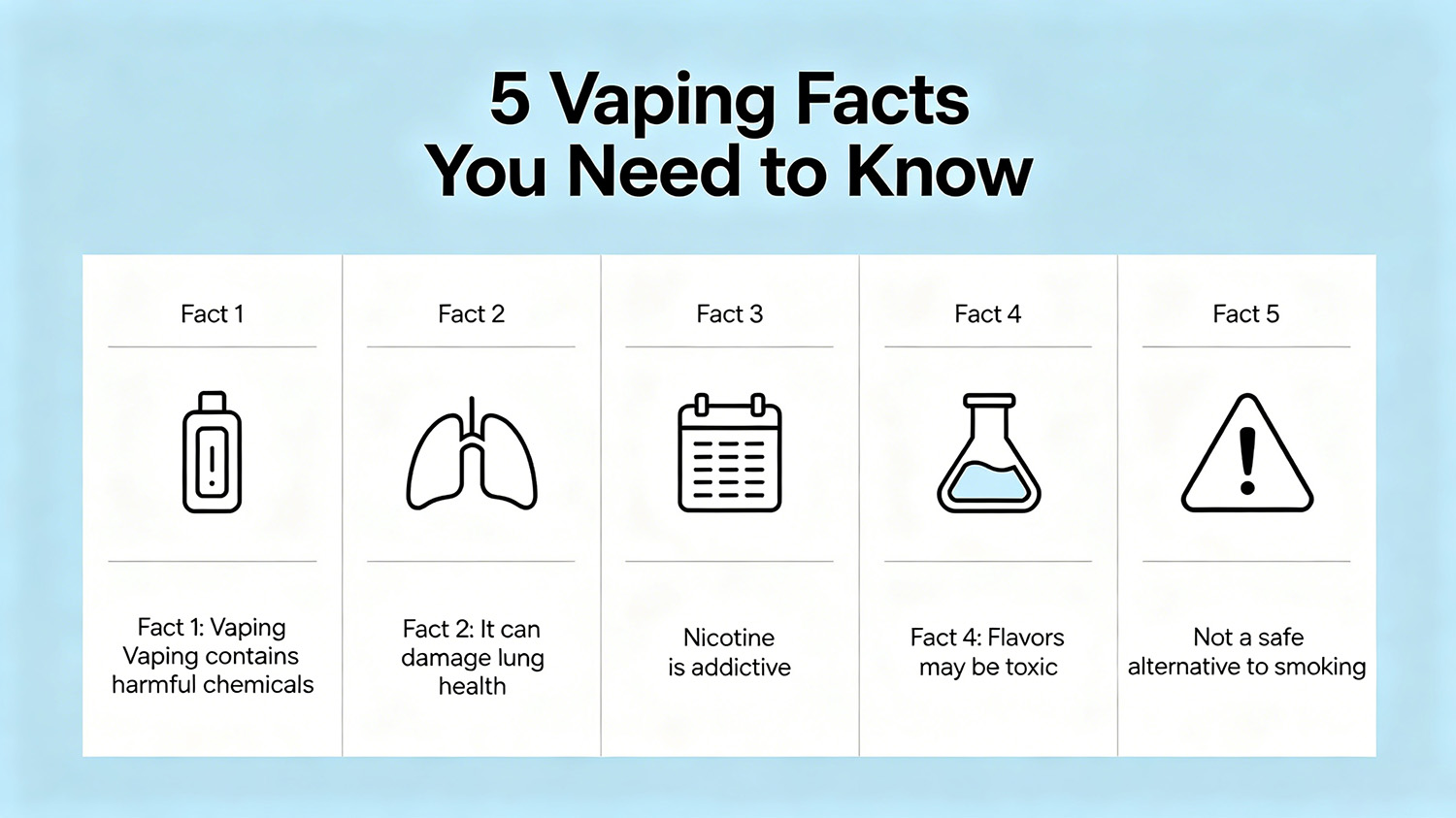
One of the most commonly cited points about vaping is that it is less harmful than smoking conventional cigarettes. Traditional cigarettes contain thousands of chemicals, many of which are toxic and carcinogenic. In contrast, e-cigarettes heat a liquid—typically containing nicotine, flavorings, and other additives—into an aerosol that users inhale. This process generally produces fewer harmful byproducts than combustion. However, “less harmful” does not equate to safe. Research has shown that vaping still exposes users to a variety of potentially dangerous substances. Some of these chemicals are known to irritate the respiratory system, while others remain poorly understood. The long-term effects of inhaling these substances are still largely unknown, which raises concerns among health professionals.
Another critical issue is the impact of vaping on lung health. The lungs are delicate organs designed to process clean air, not chemical-laden aerosols. Studies have linked vaping to inflammation in lung tissue, reduced lung function, and an increased risk of respiratory conditions such as bronchitis and asthma. There have also been cases of severe lung injury associated with vaping, particularly when users consume unregulated or modified products. These incidents highlight the risks of unknown additives and contaminants. Even when using commercially available products, the potential for harm cannot be entirely ruled out, especially with long-term use.
Nicotine addiction is another major concern associated with vaping. Many e-cigarettes contain nicotine, the same highly addictive substance found in traditional cigarettes. Nicotine affects the brain by releasing dopamine, creating a sense of pleasure and reinforcing repeated use. Over time, this can lead to dependence, making it difficult for users to quit. In fact, some vape products deliver higher concentrations of nicotine than conventional cigarettes, increasing the risk of addiction. Adjustable devices and high-strength e-liquids can intensify this effect, leading users to consume more nicotine than they might realize.
Flavored vape products, which are especially popular among younger users, introduce another layer of risk. While these flavors may seem harmless, the chemicals used to create them can have toxic effects when inhaled. Some flavoring compounds have been linked to respiratory irritation and other health concerns. The appeal of sweet, fruity, or dessert-like flavors can also mask the harshness of nicotine, making it easier for new users—particularly teenagers—to start vaping and continue using it regularly. This has contributed to a growing public health concern regarding youth nicotine use.
Perhaps one of the most important facts to understand is that vaping is not a completely safe alternative to smoking. While it may reduce exposure to certain harmful substances, it introduces new risks that are not yet fully understood. The perception of safety can lead individuals who might not otherwise smoke to begin using nicotine products. This is particularly troubling among adolescents, whose brains are still developing and are more susceptible to addiction. Early exposure to nicotine can have lasting effects on cognitive function, attention, and impulse control.
In addition to individual health risks, vaping also has broader social and behavioral implications. The discreet nature of e-cigarettes—often odorless and easy to conceal—can make it more difficult for parents, teachers, and authorities to detect use. This has contributed to increased experimentation among young people. Furthermore, the normalization of vaping in social settings and online media can reinforce the idea that it is a harmless or even trendy activity.
Another concern is the lack of long-term research. Traditional cigarettes have been studied extensively for decades, and their health consequences are well documented. Vaping, on the other hand, is a relatively new phenomenon. Scientists are still working to understand its long-term effects on the body. This uncertainty means that users may be exposing themselves to risks that have not yet been fully identified.
It is also worth noting that not all vaping products are created equal. The market includes a wide range of devices and liquids, some of which are produced without strict quality control. Illicit or counterfeit products may contain harmful additives, contaminants, or incorrect labeling of ingredients. This variability increases the potential for adverse health effects and makes it difficult for consumers to know exactly what they are inhaling.
Despite these concerns, some individuals use vaping as a tool to quit smoking. While there is ongoing debate about its effectiveness for this purpose, many health experts recommend proven methods such as nicotine replacement therapy, counseling, and prescription medications. These approaches have been tested for safety and efficacy, whereas vaping remains an uncertain alternative.
In conclusion, vaping is a complex and evolving issue that requires careful consideration. Although it may be less harmful than traditional smoking in certain respects, it is not without significant risks. From chemical exposure and lung damage to nicotine addiction and youth appeal, the evidence suggests that vaping should not be viewed as a harmless habit. As research continues to uncover more about its effects, individuals are encouraged to stay informed and approach vaping with caution. Making healthier choices today can have a lasting impact on well-being in the future.